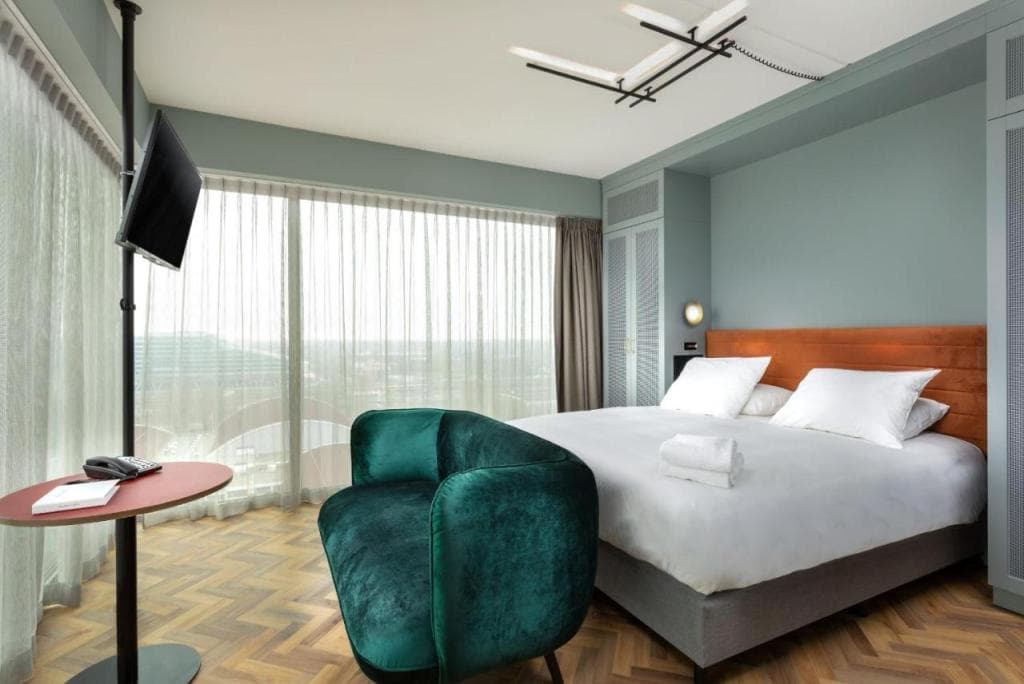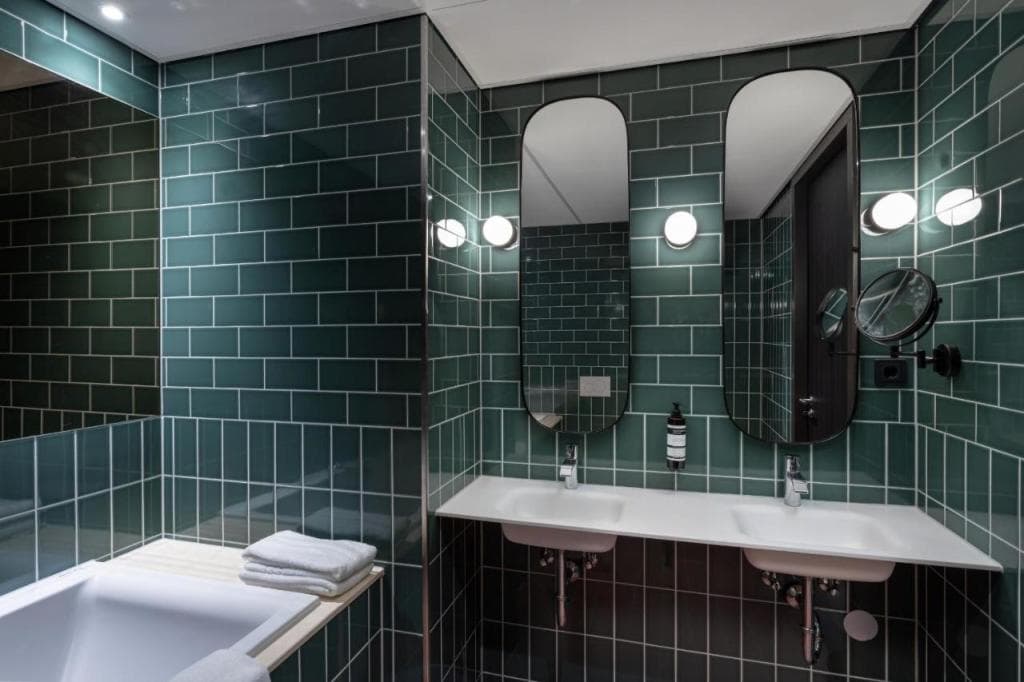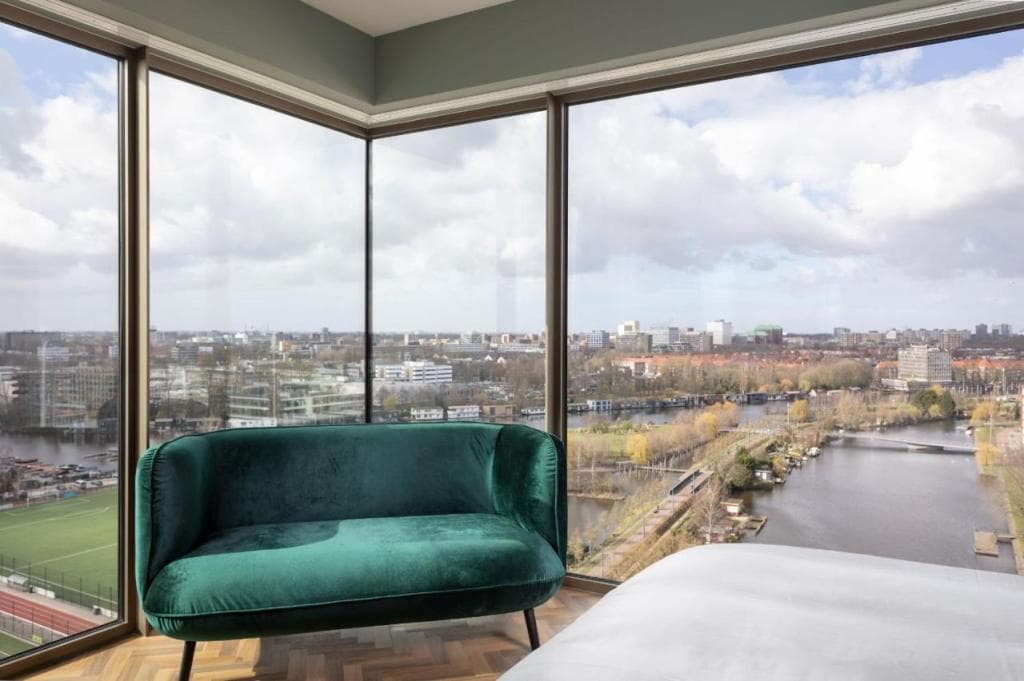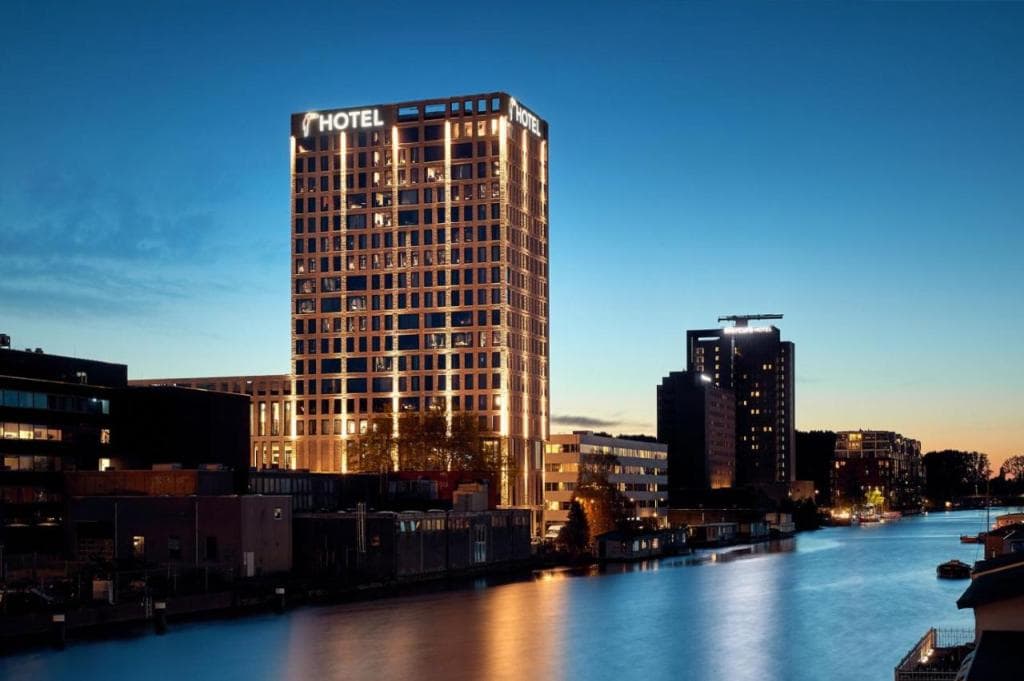



 Amsterdam Noord
 103 rooms
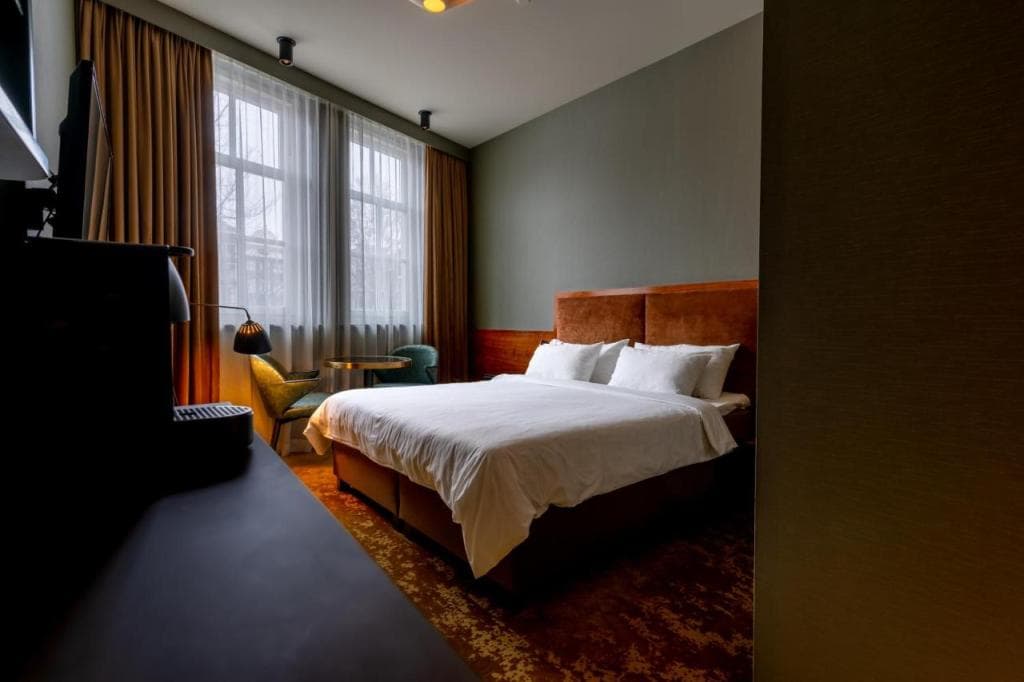
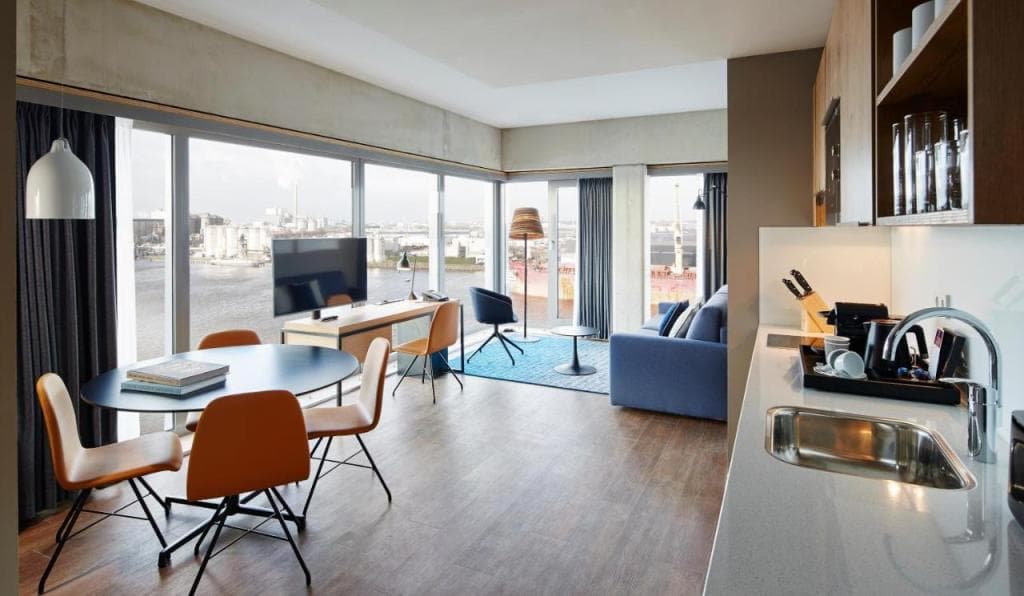
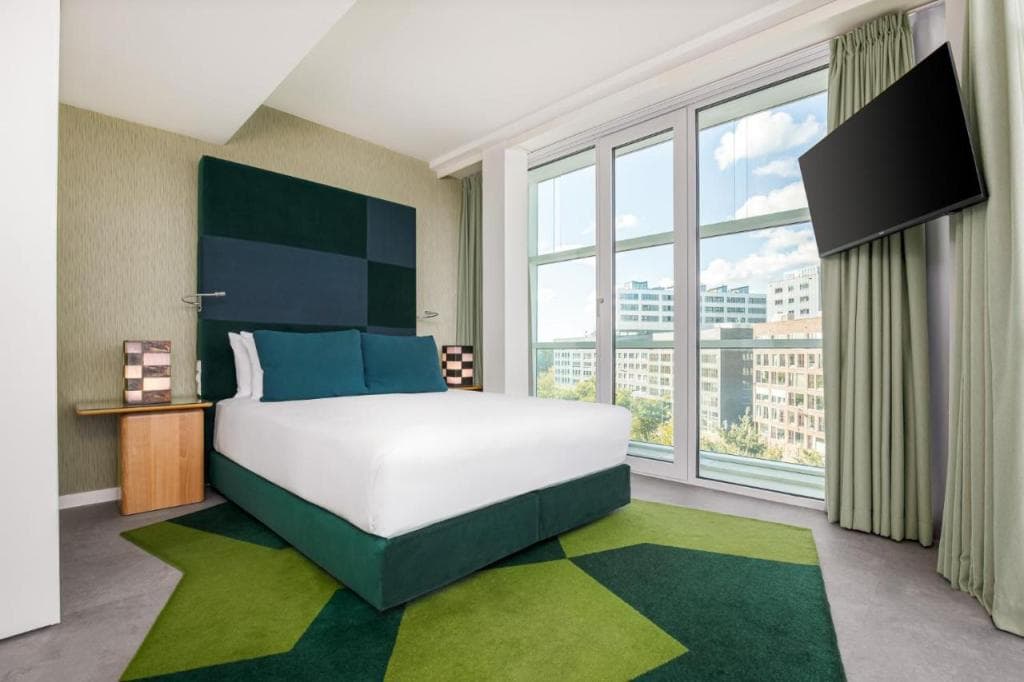
## Comfortable Accommodations Mercure Amsterdam North Station in Amsterdam offers family rooms with air-conditioning, private bathrooms, and city views. Each room includes a work desk, free WiFi, and

 Amsterdam Noord103 rooms
## Comfortable Accommodations Mercure Amsterdam North Station in Amsterdam offers family rooms with air-conditioning, private bathrooms, and city views. Each room includes a work desk, free WiFi, and
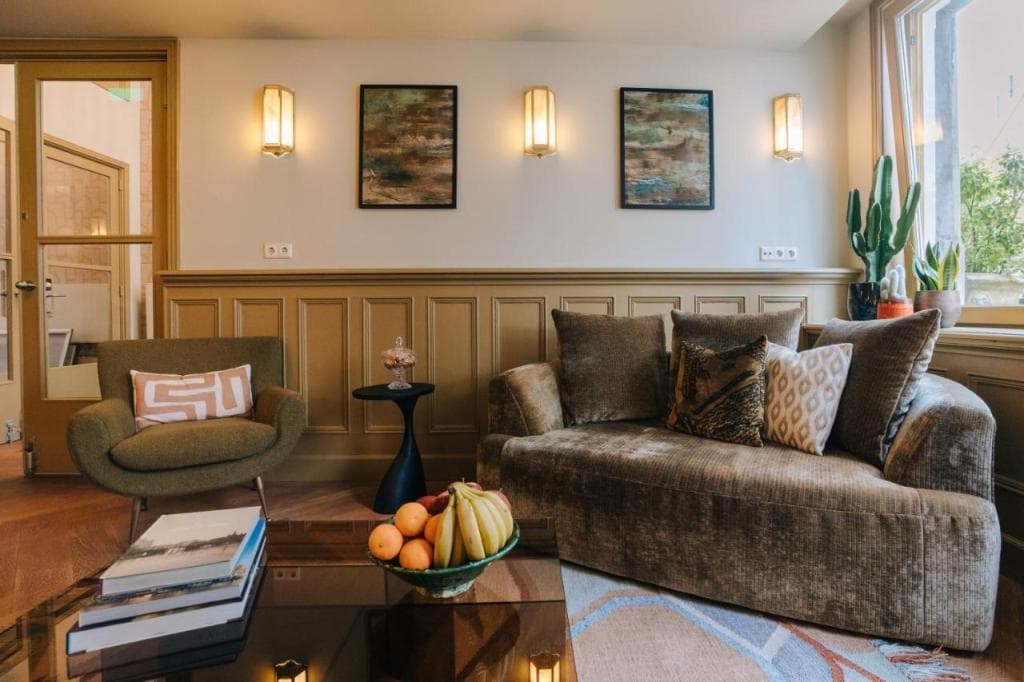
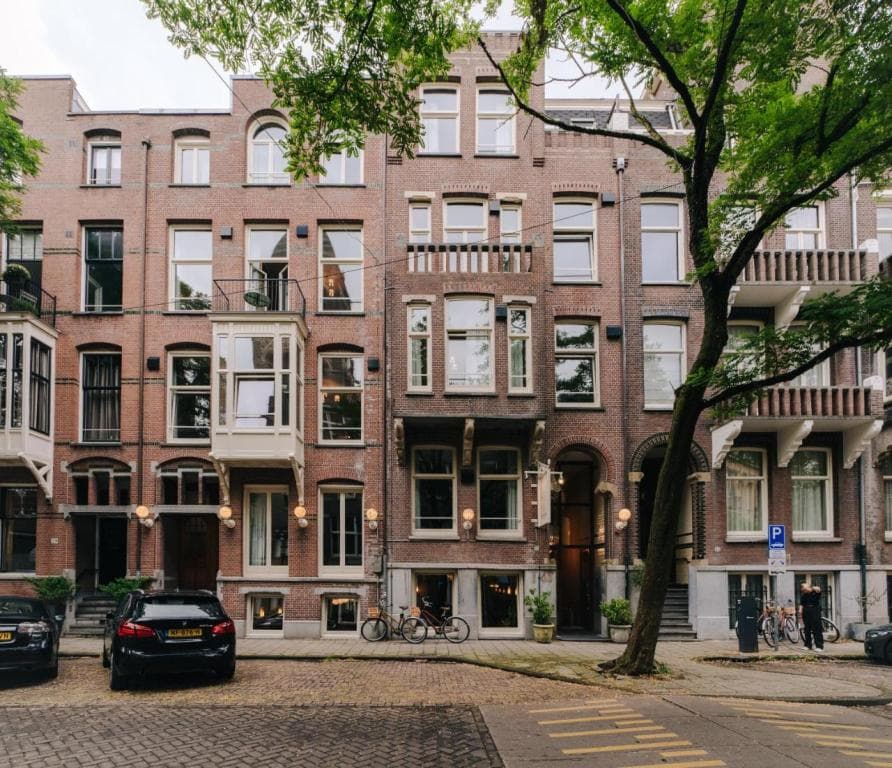
Amsterdam City Center11 roomsHoused in a small and cozy monumental building in Amsterdam, hotel calisto is in the middle of the buzzing Jordaan district. It offers a restaurant, a bar and terrace on the ground floor. Central Stat
De Pijp51 roomsDe Pijp Boutique Hotel is set in Amsterdam, 1969 feet from Heineken Experience and 1.2 mi from RAI Convention Center. Guests can enjoy the on-site bar. Free WiFi is offered throughout the property. Gu
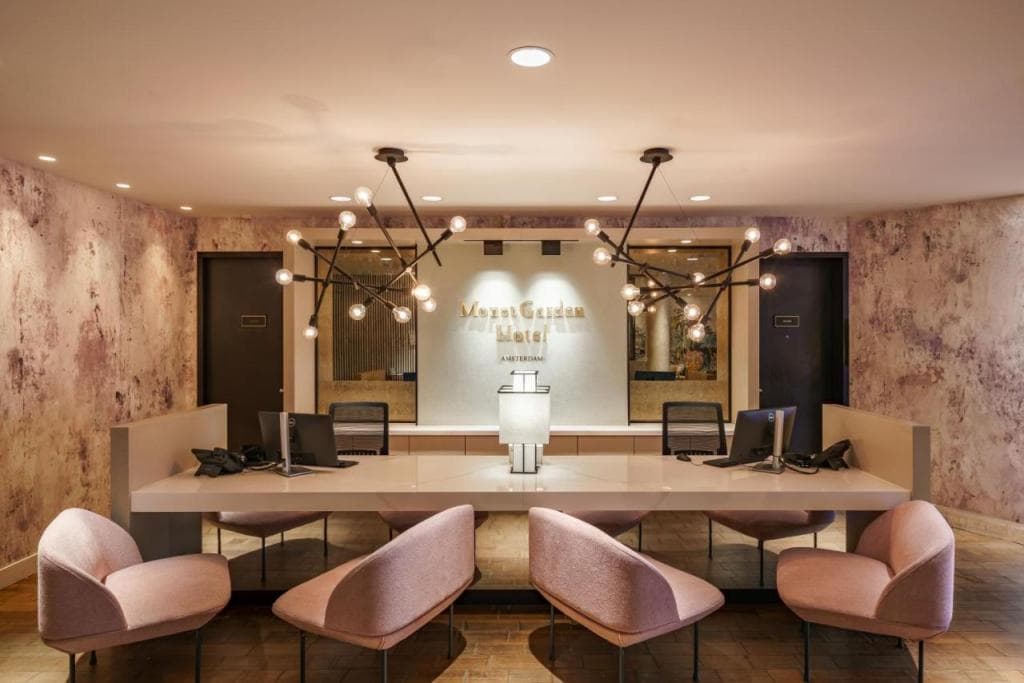
Amsterdam City Center, Oude Centrum87 roomsMonet Garden Hotel Amsterdam is a boutique hotel and offers modern accommodations in Amsterdam, located next to the canals. It offers air-conditioned rooms with free WiFi throughout the property. Most
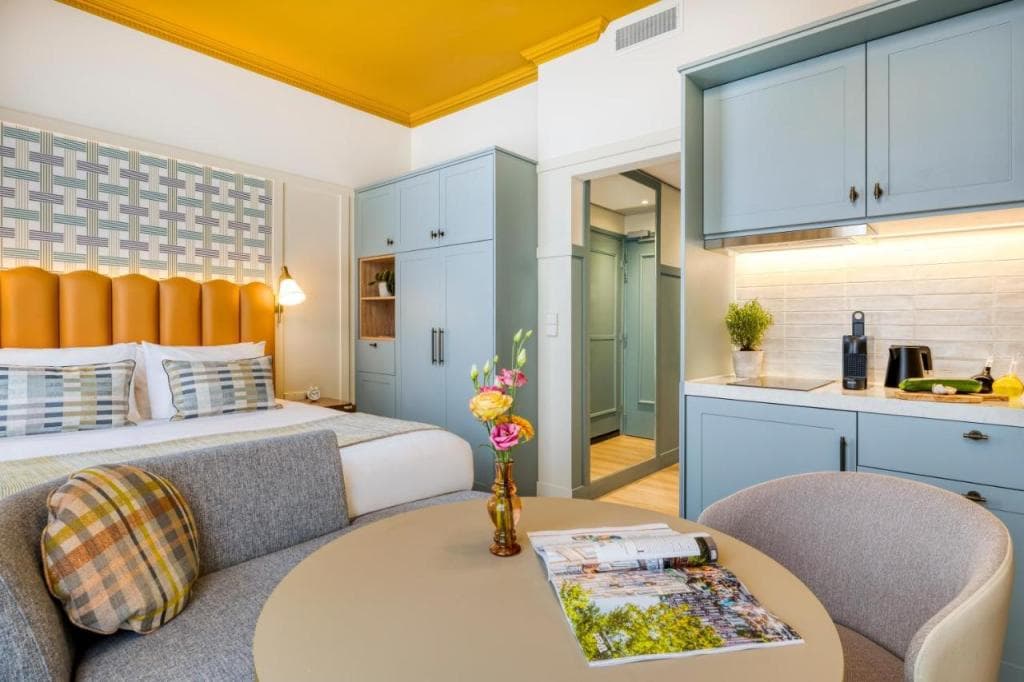
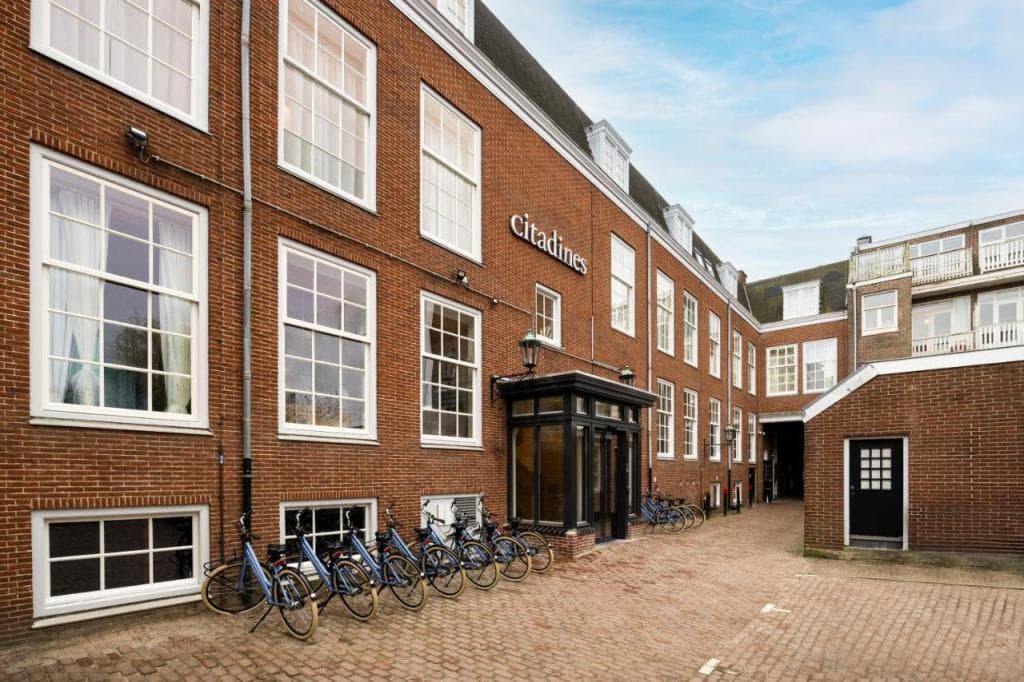
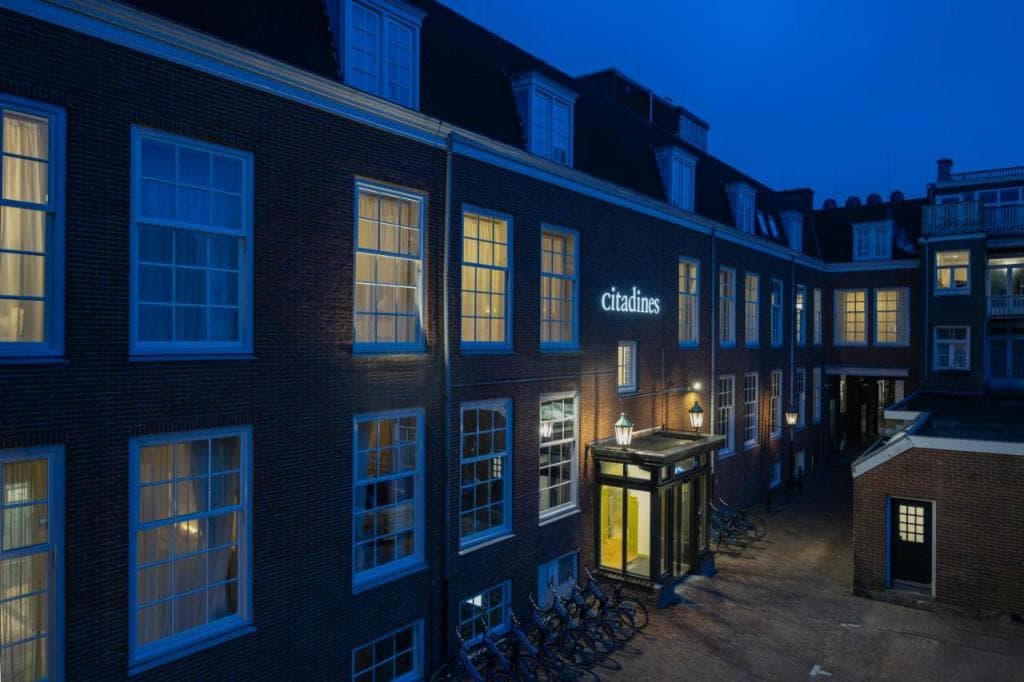
Amsterdam City Center98 rooms## Prime City Center Location Citadines Canal Amsterdam in Amsterdam offers a 4-star aparthotel experience in the city center. Guests enjoy a quiet street view and easy access to key attractions such
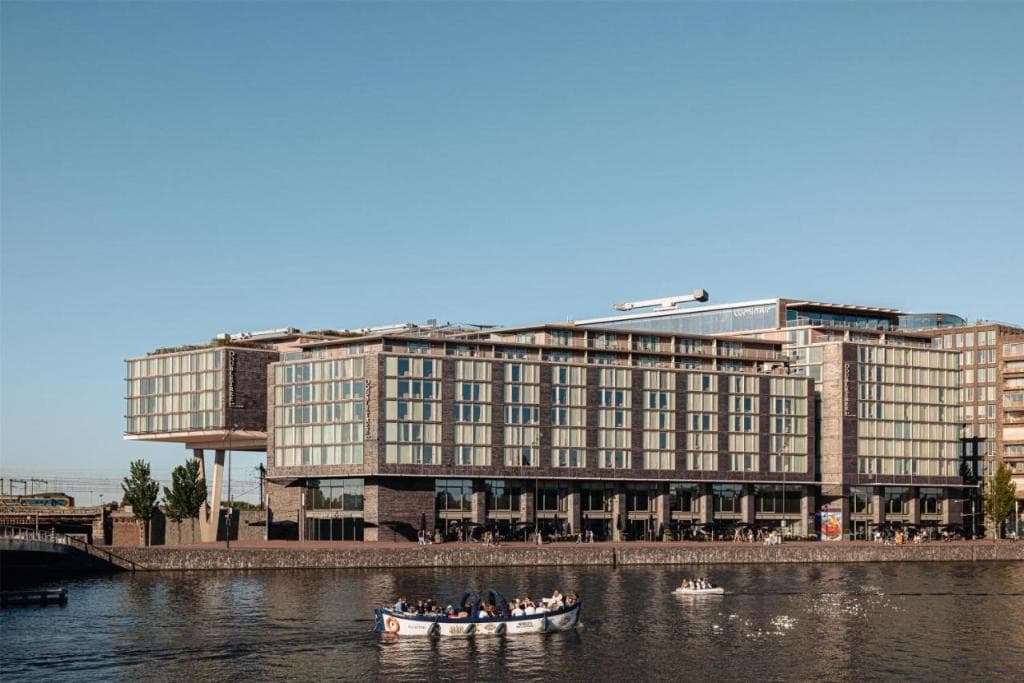
Amsterdam City Center547 roomsDoubleTree by Hilton Amsterdam Centraal Station has modern rooms, business facilities with the latest technology, a fitness center and an ideal location overlooking the River IJ and city center. It is
Zeeburg199 roomsHotel Jakarta Amsterdam is a unique sustainable hotel in Amsterdam at the IJ river, at the former location where ships left for Jakarta. Hotel Jakarta offers 200 luxurious rooms with a Indonesian infl
Amsterdam City Center173 roomsClayton Hotel Amsterdam American is located in Amsterdam, less than 0.6 mi from Rijksmuseum. Among the facilities of this property are a restaurant, a 24-hour front desk and room service, along with f
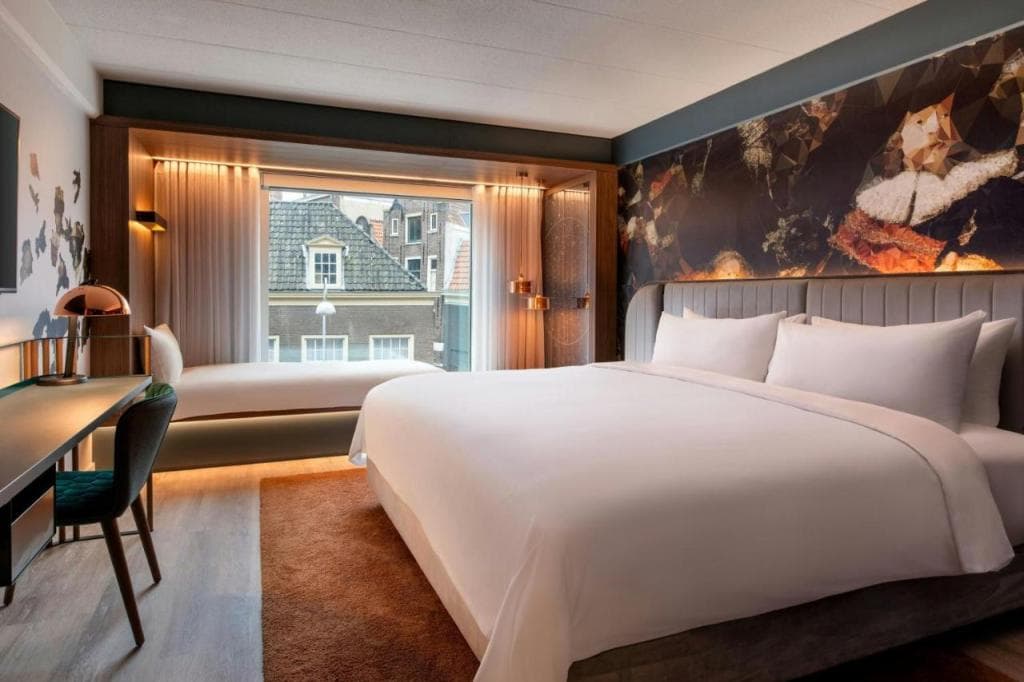
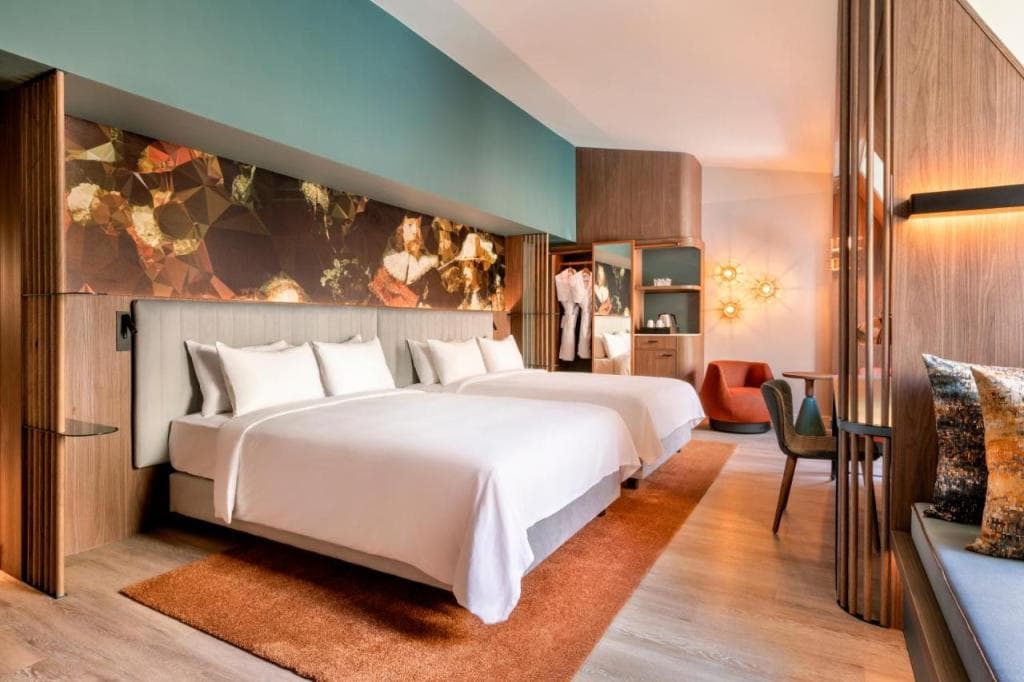
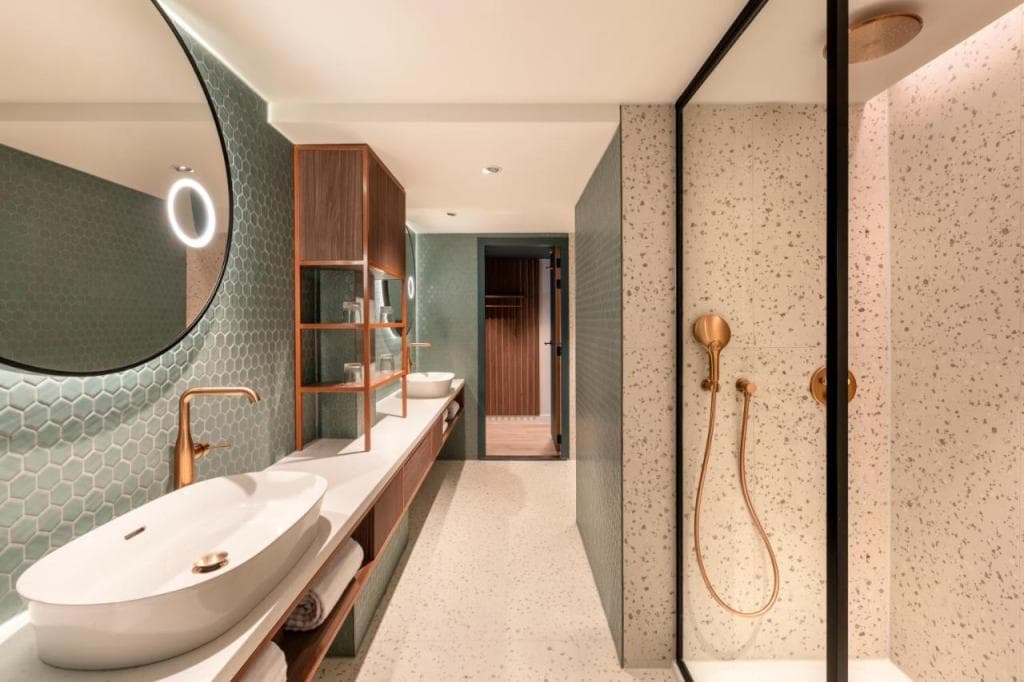
Amsterdam City Center, Oude Centrum530 roomsExpect comfort and thoughtful convenience at our renovated city center hotel in Amsterdam, at the Renaissance Amsterdam Hotel. Ideally located in the heart of Amsterdam's city center, our hotel offers
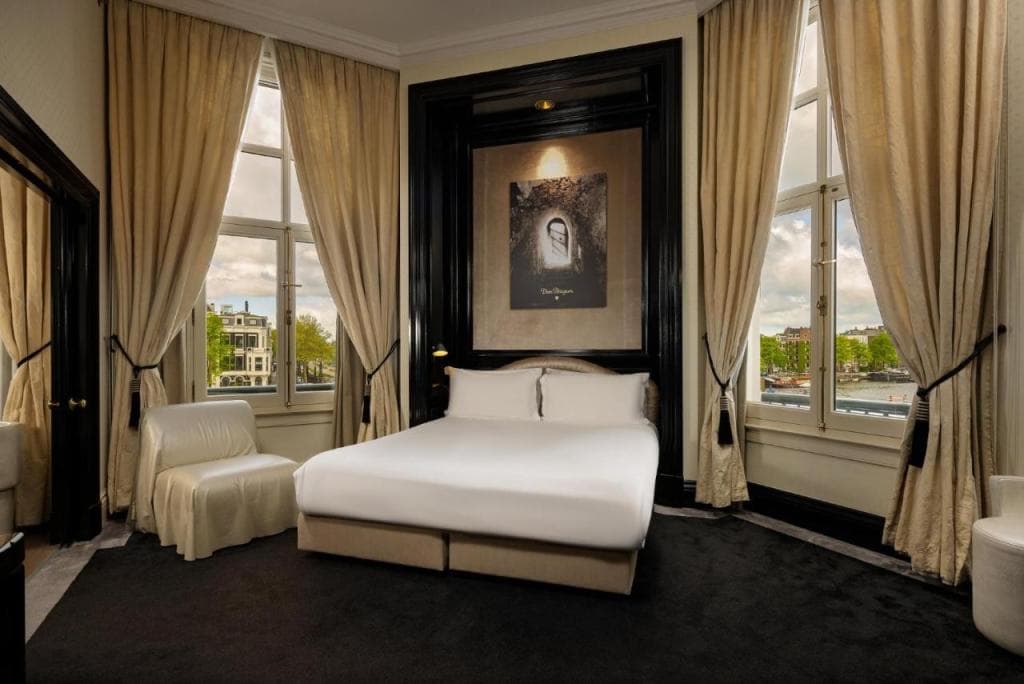
Amsterdam City Center91 roomsSet in a monumental building on the banks of the Amstel River, Intercontinental Amstel has a Mediterranean restaurant with a terrace. It features a health club including an indoor pool with iconic vie
Amsterdam Noord124 rooms## Comfortable Accommodations Bob W Amsterdam Noord in Amsterdam offers family rooms with private bathrooms, fully equipped kitchens, and balconies. Each apartment includes a dining area, washing mac
Oost22 rooms## Comfortable Accommodations Bob W Oosterpark in Amsterdam offers 4-star aparthotel rooms with private bathrooms, balconies, and fully equipped kitchens. Each unit includes a sofa bed, dining table,
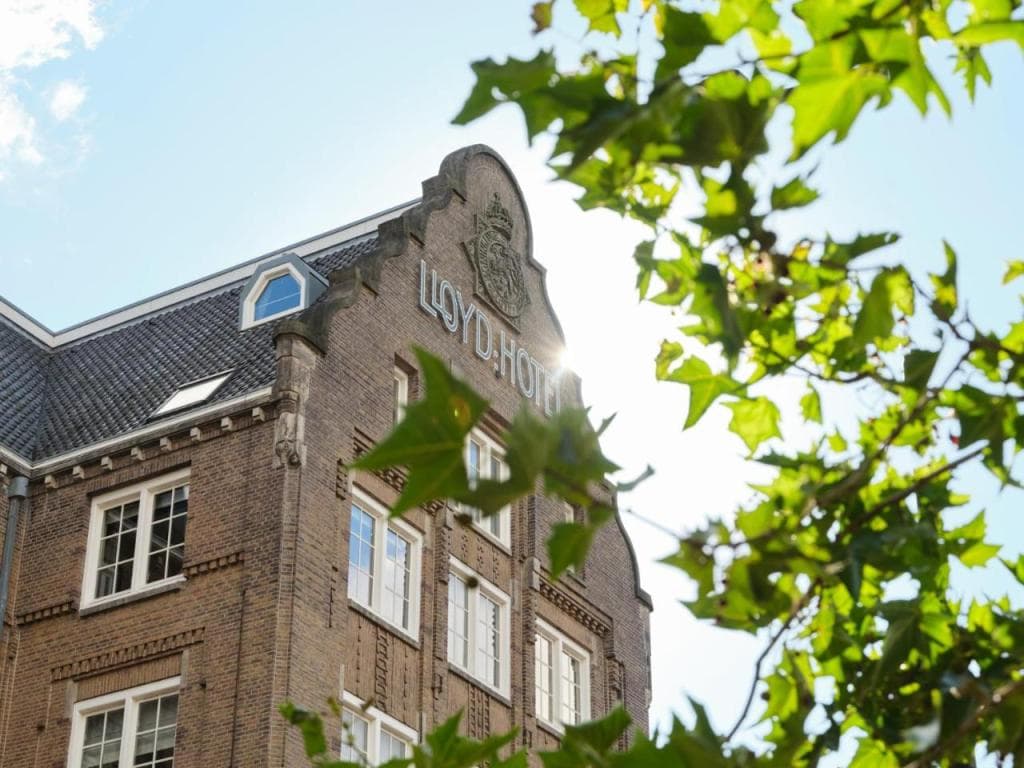
Zeeburg133 rooms## Comfortable Accommodations The Hoxton, Lloyd Amsterdam in Amsterdam offers family rooms with private bathrooms, walk-in showers, and modern amenities. Each room includes a tea and coffee maker, re
Museum Quarter, Oud Zuid32 roomsLocated in Amsterdam, 1640 feet from Van Gogh Museum, Hotel Omega offers accommodations with a garden. The property is close to Moco Museum, Vondelpark and Rijksmuseum. The property is set a 12-minute
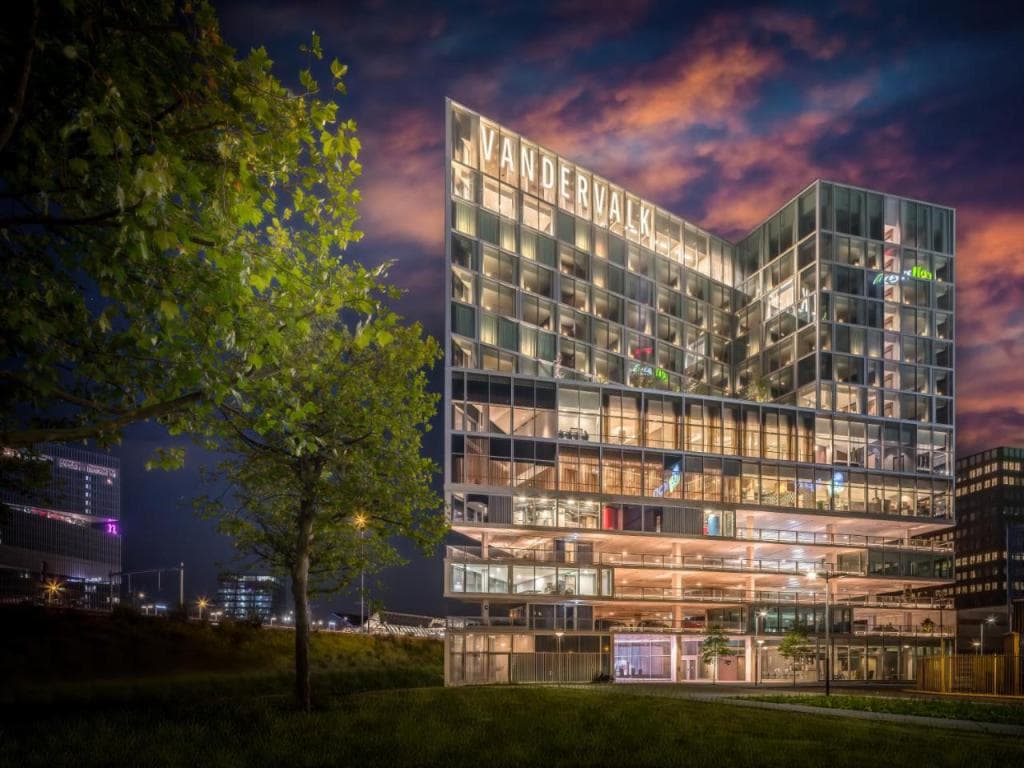
Zuideramstel241 roomsVan der Valk Hotel Amsterdam Zuidas-Rai has a restaurant, fitness center, a bar and spa and wellness center in Amsterdam. The property is set 919 feet from Amsterdam RAI, 2.4 mi from Van Gogh Museum a
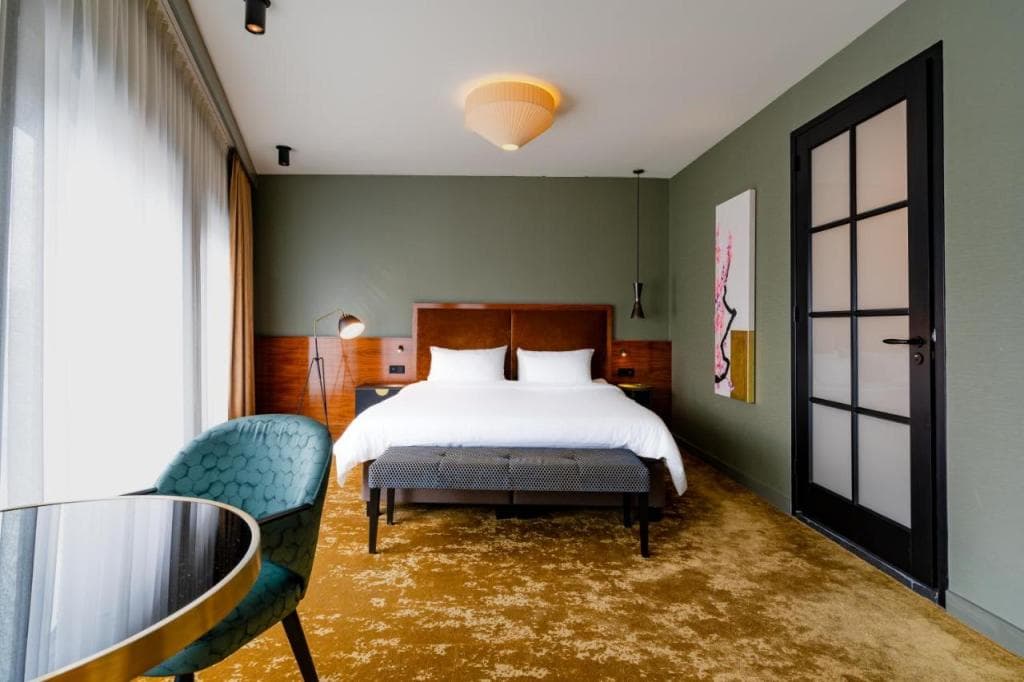
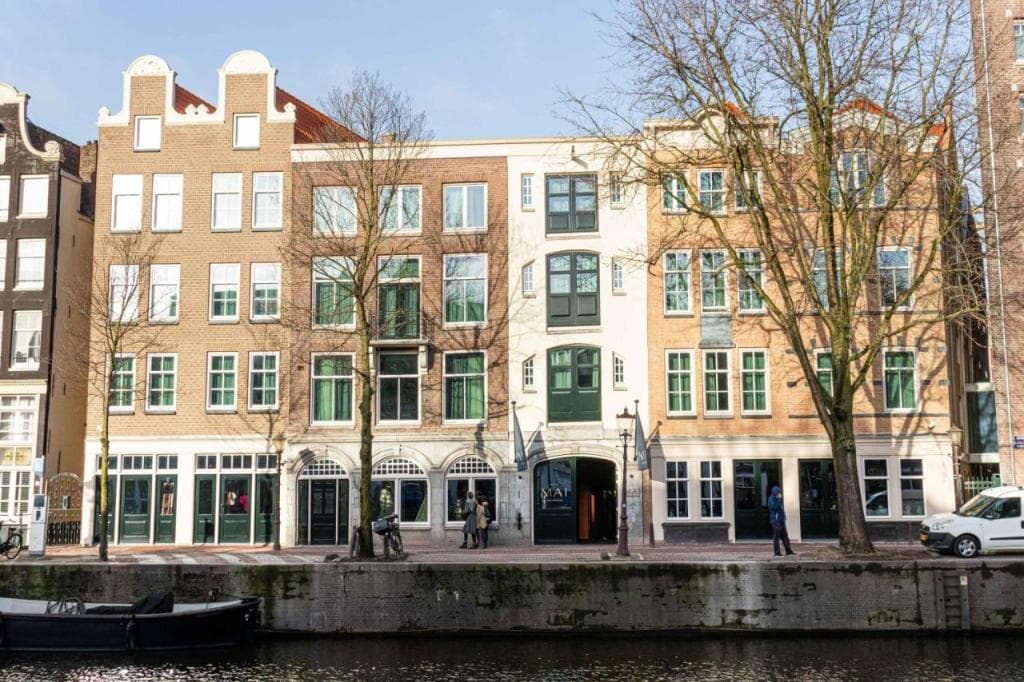
Amsterdam City Center, Chinatown, Oude Centrum83 rooms## Prime Location Hotel Mai Amsterdam in Amsterdam offers a central location with Museum Ons' Lieve Heer op Solder just a 3-minute walk away. Beurs van Berlage is 1640 feet nearby, while Rembrandt Ho
Westerpark84 roomsThe July - Boat & Co is a 4-star hotel located along the waterfront in Amsterdam's Houthaven district, ideal for both short and extended stays. The hotel features an on-site restaurant, a gym, a welln
Oud Zuid10 roomsLocated in Amsterdam and with Vondelpark reachable within 1.7 mi, Olympic Hotel features express check-in and check-out, nonsmoking rooms, a garden, free WiFi and a bar. Boasting a 24-hour front desk,
Oost206 roomsVan der Valk Hotel Amsterdam - Amstel is a beautiful 4-star hotel in Amsterdam with a swimming pool, fitness, spa and wellness center. The hotel is centrally located in a prime location in district Oo
Westpoort72 roomsFeaturing free WiFi throughout the property, Residence Inn by Marriott Amsterdam Houthavens is located in Amsterdam, within the vibrant area of Houthavens. Attractions in the area include Beurs van Be
Museum Quarter, Oud West88 roomsLocated in the Oud-West district of Amsterdam, Hotel van de Vijsel is 984 feet from Leidseplein. The property is close to several noted popular attractions, including the Van Gogh Museum and the Rijks
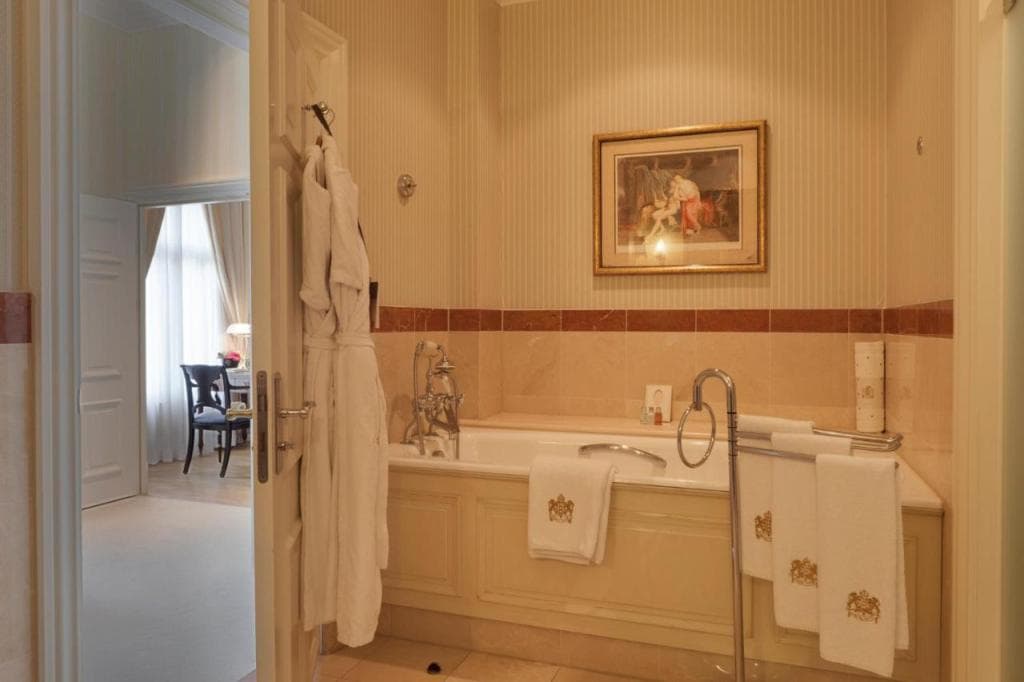
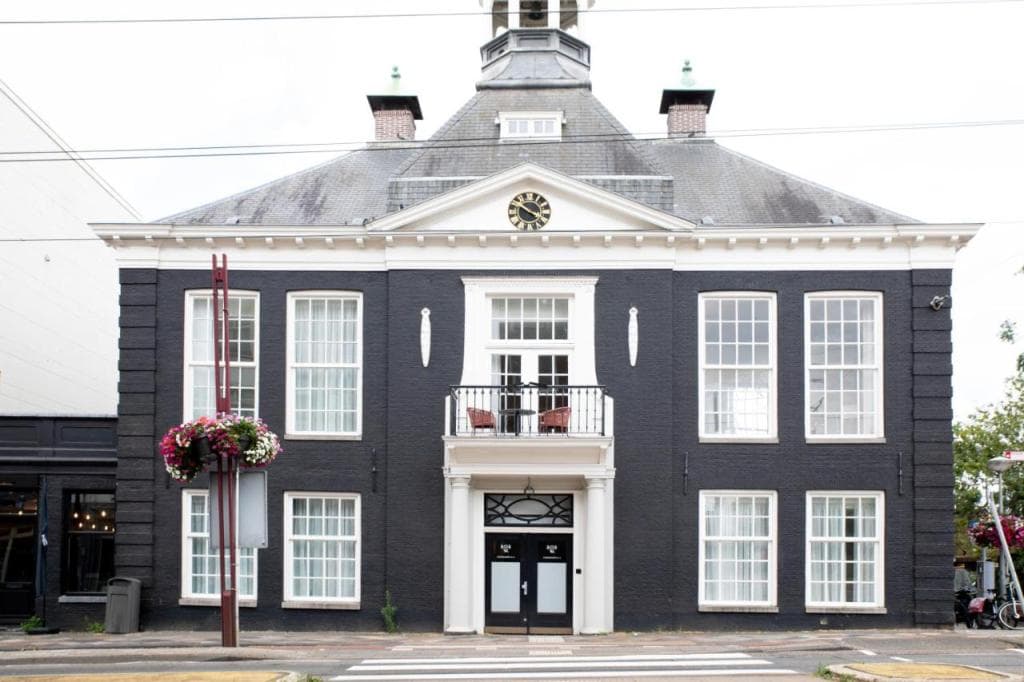
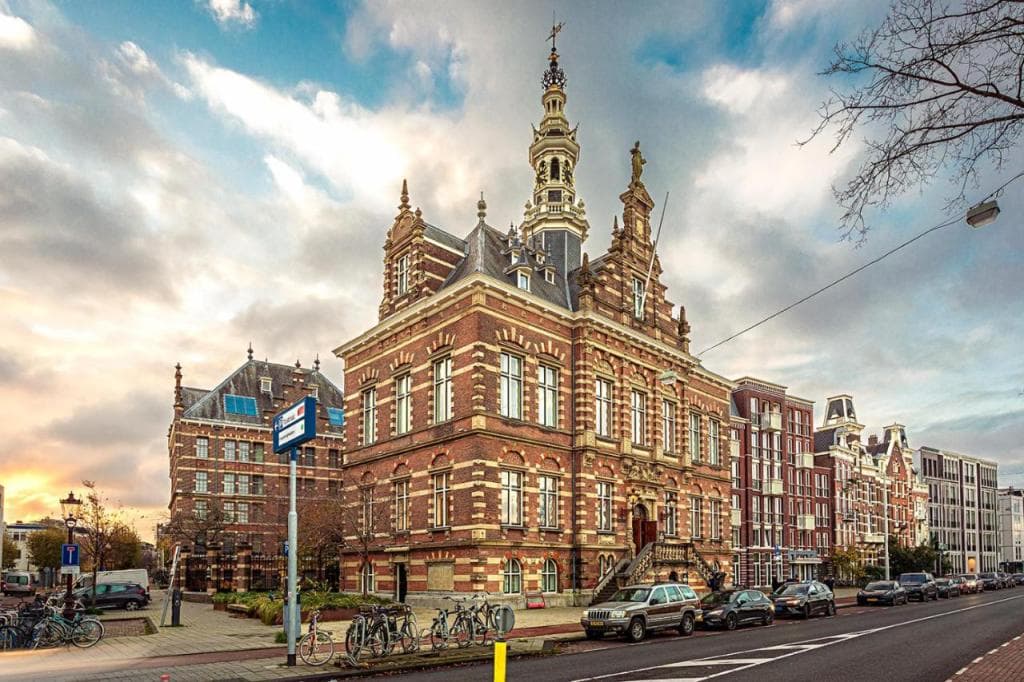
De Pijp175 roomsThis luxury 5-star hotel located in a monumental building, the former Town Hall and Archive of the Amstel Community. Located near the Albert Cuypmarkt street market this hotel features a variety of fa
Westpoort120 roomsUrban Lodge Hotel is located in the Westpoort district in Amsterdam, 2.2 mi from Anne Frank House. Guests can enjoy the on-site bar. Paid private parking is available on site. Every room at this hote
Oost113 rooms## Comfortable Accommodations Rooms feature private bathrooms, city views, and modern amenities such as free WiFi, flat-screen TVs, and work desks. Additional comforts include soundproofing, hypoalle
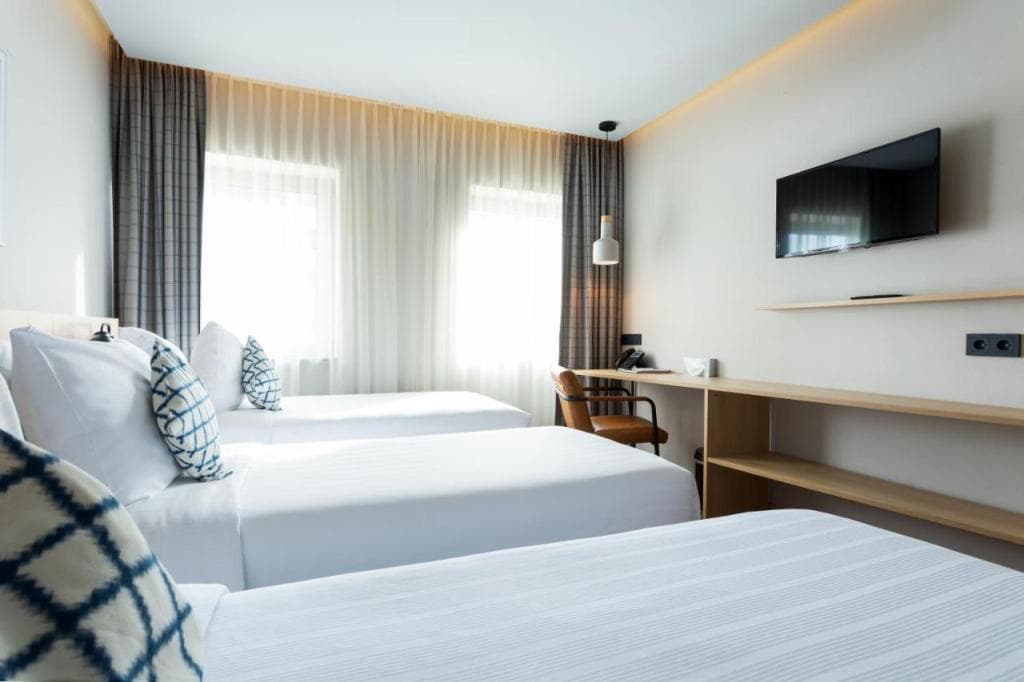
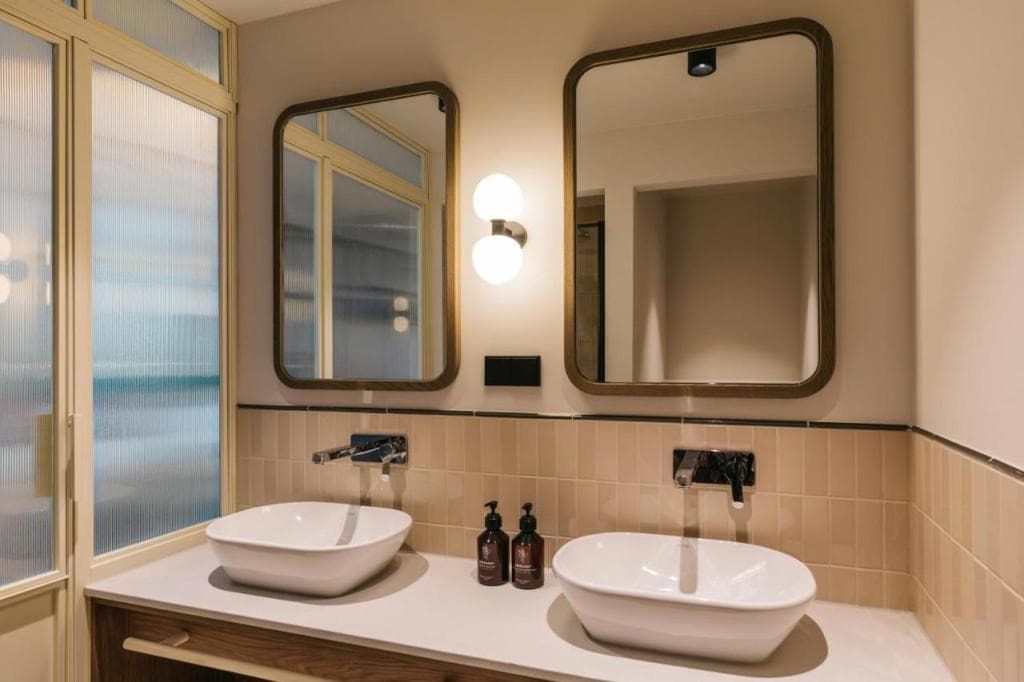
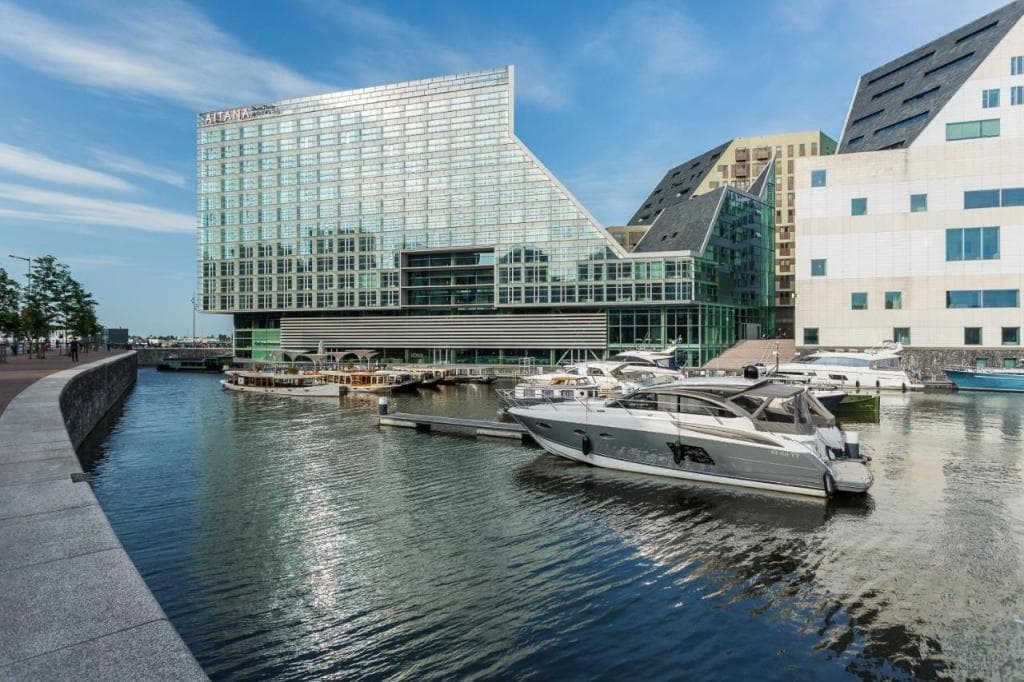
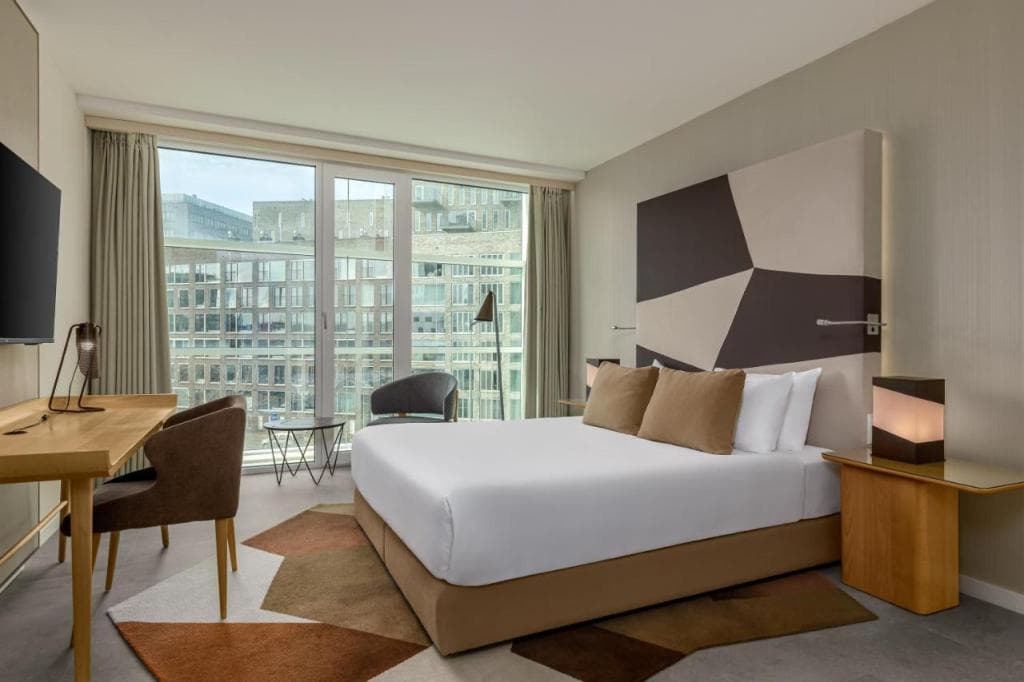
Amsterdam City Center285 roomsRoom Mate Aitana, Amsterdam is a design hotel located at a 14-minute walk from Amsterdam Central Station. All rooms feature flat-screen satellite TV, a mini-bar, and a safety deposit box. The large w
Results 1 - 25
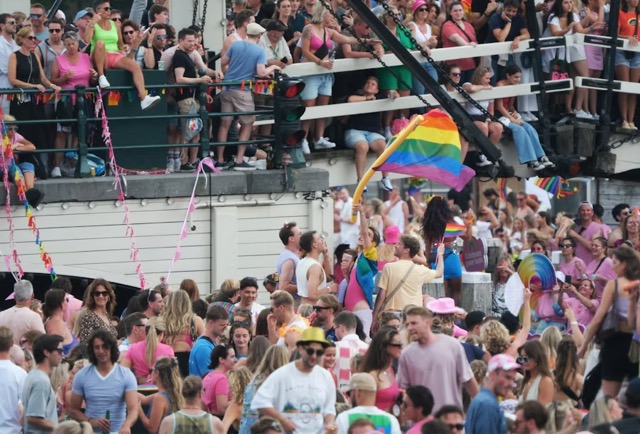
Planning a trip for Amsterdam Pride 2026? Discover the Pride dates, the famous Canal Parade and the best gay friendly hotels in Amsterdam to stay during Pride.
 By Xavier B in Amsterdam, Gay Pride, DestinationThursday, March 12, 2026

Europe is set to light up in rainbow colors in 2026, with Gay Prides more festive and engaged than ever! Whether you’re a seasoned Pride marcher or a first-time participant, these events are the perfect opportunity to celebrate pride, diversity, and love in all its forms.
By Xavier B in Miami , Destination, ParisTuesday, January 20, 2026
Amsterdam's gay life centers around a few well-established areas. The Reguliersdwarsstraat, near the Rembrandtplein, is the historic heart of the city's gay scene, packed with bars, cafes, and clubs that have welcomed the community for decades. The Warmoesstraat in the Red Light District area is known for a more leather and fetish-oriented crowd, with venues that have operated openly for years. Beyond these two streets, gay travelers will find an inclusive atmosphere throughout most of the city center, including the Jordaan and De Pijp neighbourhoods, which offer a quieter, more residential feel with welcoming cafes and boutique accommodations.
Amsterdam is enjoyable year-round, but many travelers plan trips around Amsterdam Pride, known locally as Amsterdam Gay Pride, held annually in late July or early August. The event is famous for its Canal Parade, where boats decorated by community organizations, bars, and sponsors sail through the city's canals, drawing large crowds along the waterways. Beyond the parade, Pride week includes street parties, cultural events, and community gatherings across the city. Outside of Pride season, spring (April to June) offers mild weather and blooming tulip fields nearby, while winter brings a cozy atmosphere with fewer tourists and lower hotel rates.
get more info on Amsterdam Pride here
The Netherlands was the first country in the world to legalize same-sex marriage, in 2001, and Amsterdam remains one of the safest cities globally for gay travelers. Same-sex couples can generally hold hands and show affection in public without issue, particularly in the city center and known gay-friendly areas. Anti-discrimination laws protect sexual orientation and gender identity nationally. As with any major city, it's sensible to stay aware of surroundings late at night, particularly in less busy areas, but incidents targeting gay travelers are rare. Local police are generally responsive and the city has a long-standing reputation for tolerance.
When selecting a hotel in Amsterdam, consider proximity to the areas that matter most for your trip. Staying near Rembrandtplein or the Reguliersdwarsstraat puts you within walking distance of the main gay bars and nightlife. If you prefer a quieter base, the Jordaan or Museum Quarter offer a welcoming atmosphere with easy tram access to the city center. Look for accommodations with staff trained in inclusive hospitality, clear non-discrimination policies, and positive reviews from gay travelers. Budget options range from friendly hostels to mid-range canal-house hotels and boutique properties, so there's something for every traveler regardless of budget.
Many properties in Amsterdam are housed in historic canal buildings, which can mean narrow stairs and limited elevator access, so it's worth checking accessibility details in advance. Booking directly through platforms that highlight gay-friendly and inclusive properties, like MyGayHotels, helps ensure a comfortable and authentic stay.
Amsterdam's gay nightlife is concentrated but diverse. Bars along Reguliersdwarsstraat cater to a broad community crowd with dancing, drag shows, and social evenings, while Warmoesstraat venues lean toward a leather and cruising scene. The city also hosts community organizations, gay-friendly saunas, and bookshops that serve as informal gathering spots. Beyond nightlife, Amsterdam's museums, including the Pink Point information kiosk near the Homomonument, offer resources and historical context on the city's gay culture and activism. The Homomonument itself, dedicated to victims of persecution, is a meaningful site for reflection and community gathering.
Yes, Amsterdam is widely considered one of the safest cities in the world for gay travelers. The Netherlands has strong anti-discrimination laws, and same-sex marriage has been legal since 2001. Public displays of affection between same-sex couples are generally accepted, especially in the city center and gay-friendly neighbourhoods.
The Reguliersdwarsstraat area near Rembrandtplein is the most popular choice, offering easy access to gay bars, clubs, and restaurants. The Warmoesstraat area caters to a leather and fetish scene, while Jordaan and De Pijp offer quieter, welcoming alternatives with good transport links.
Amsterdam Pride, also known as Amsterdam Gay Pride, typically takes place in late July or early August. The event features the famous Canal Parade along with street festivals and community events throughout the city.
Yes, same-sex couples can generally hold hands and show affection publicly in Amsterdam without issue, particularly in the city center and known gay-friendly areas. As in any city, some discretion is advisable in less central or unfamiliar areas.
While Amsterdam has hotels and guesthouses known for being especially welcoming to gay travelers, most accommodations in the city are inclusive rather than exclusively gay-only. It's best to look for properties with a strong reputation for inclusive hospitality.
The Homomonument is a memorial dedicated to gay men and women who were persecuted for their sexuality, particularly during World War II. Located near the Westerkerk, it's an important historical and community landmark, often used as a gathering point during Pride events.
Yes, the Netherlands has some of the strongest legal protections for gay people in the world, including nationwide anti-discrimination laws covering sexual orientation and gender identity, and marriage equality since 2001.
Amsterdam's gay nightlife is centered on Reguliersdwarsstraat, which has bars and clubs with dancing and drag shows, and Warmoesstraat, known for a leather and cruising-oriented crowd. Both areas offer a welcoming, community-driven atmosphere.
Yes, gay dating apps are commonly used and generally safe in Amsterdam due to the city's open and accepting culture. As with anywhere, meeting in public places first and exercising normal caution is recommended.
During Pride week, expect larger crowds, higher hotel prices, and a festive atmosphere across the city. Booking accommodation well in advance is recommended, especially if you want to stay near Rembrandtplein or the canal parade route.
Yes, Amsterdam has several saunas and wellness venues that are known within the gay community. These venues typically operate openly and are considered part of the city's broader inclusive social scene.
Amsterdam is an excellent destination for solo gay travelers due to its safety, walkability, and strong community infrastructure, including bars, events, and organizations that make it easy to connect with locals and other travelers.
Amsterdam is generally safe throughout, but as with any city, it's wise to stay alert in quieter, less populated areas late at night, particularly outside the central tourist zones. The main gay areas remain busy and well-trafficked into the night.
Yes, alongside the Homomonument, the Pink Point information kiosk provides resources on gay history and culture in the city. Several mainstream museums also address LGBTQ+ history and activism within their broader exhibitions.
Look for hotels with positive reviews from gay travelers, inclusive staff training, and clear non-discrimination policies. Platforms like MyGayHotels curate properties specifically known for welcoming gay travelers, making the search easier and more reliable.