 Berlin
 229 rooms
 Berlin229 rooms


 Berlin99 rooms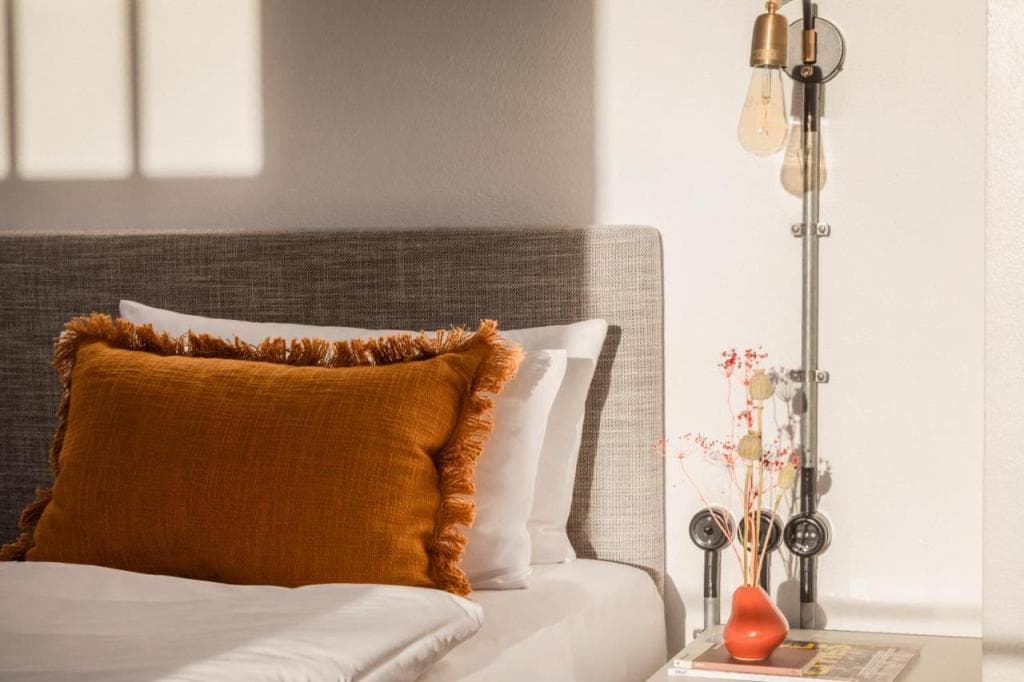
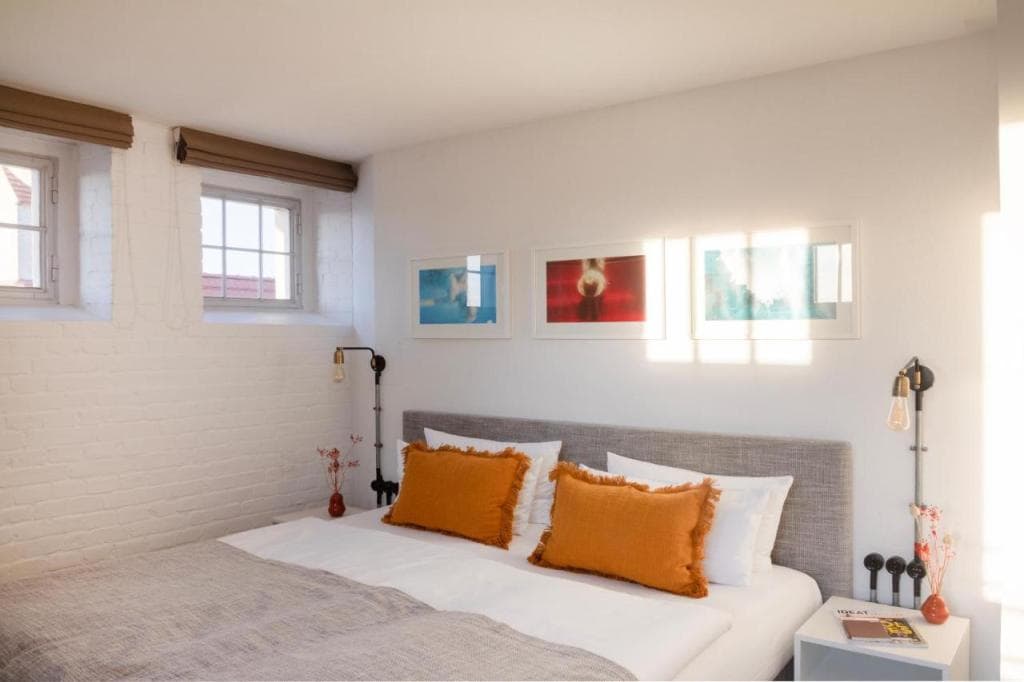
 Berlin62 rooms
 Berlin57 rooms
 Berlin14 rooms
 Berlin105 rooms
 Berlin103 rooms
 Berlin123 rooms



 Berlin84 rooms
 Berlin43 rooms



 Berlin92 rooms
 Berlin81 rooms



 Berlin157 rooms
 Berlin76 rooms
 Berlin61 rooms



 Berlin61 rooms
 Berlin163 rooms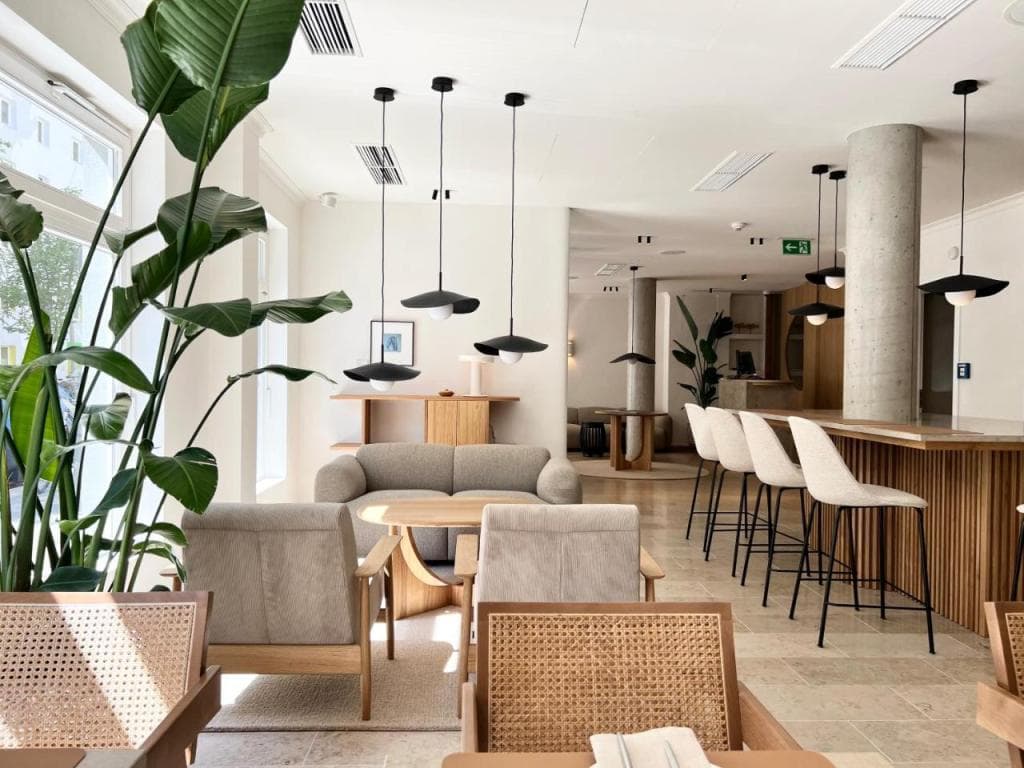
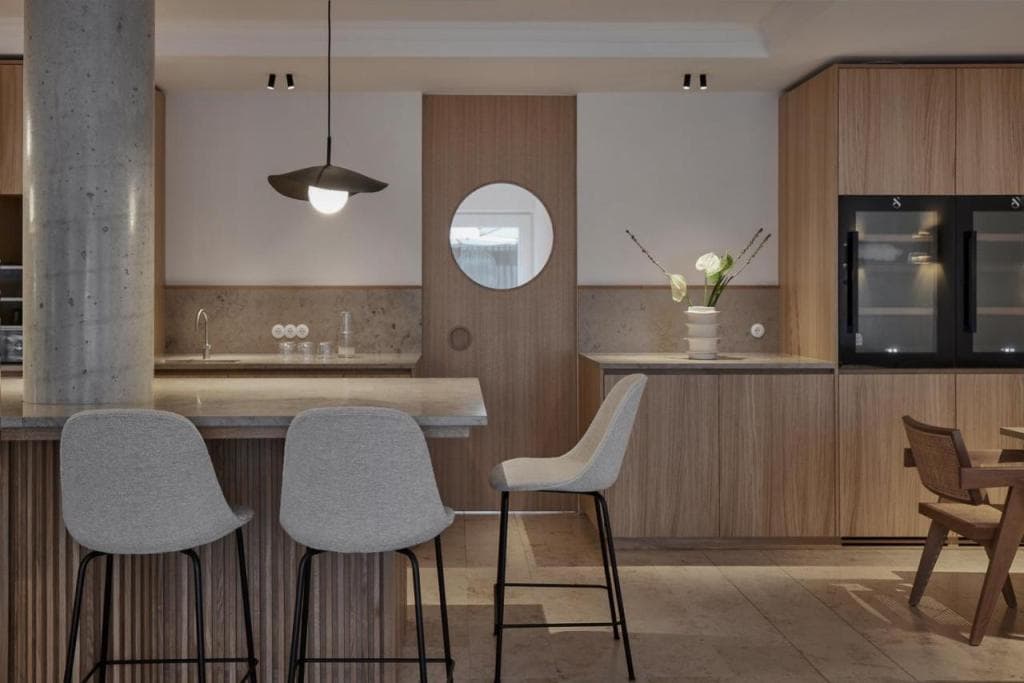


 Berlin33 rooms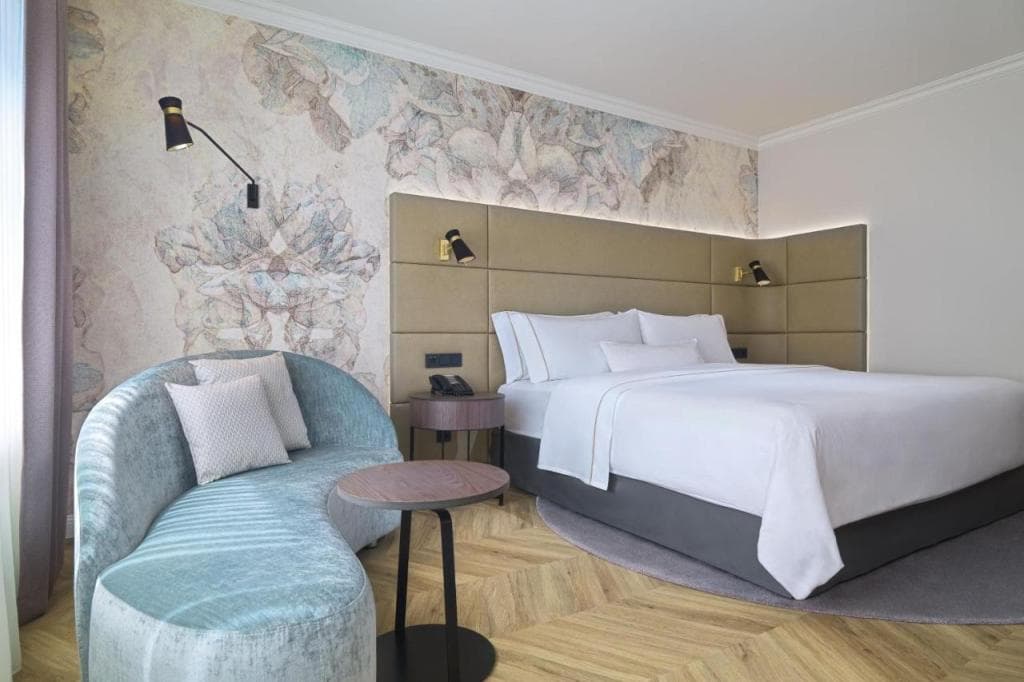

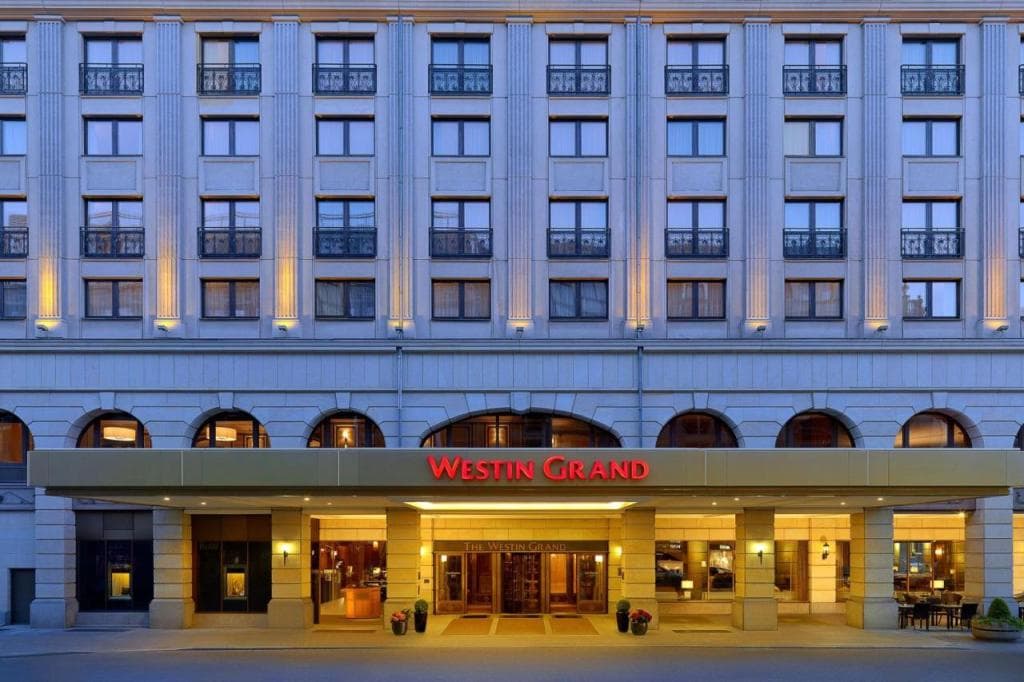


 Berlin398 rooms



 Berlin190 rooms
 Berlin153 rooms


 Berlin93 rooms


 Berlin161 rooms
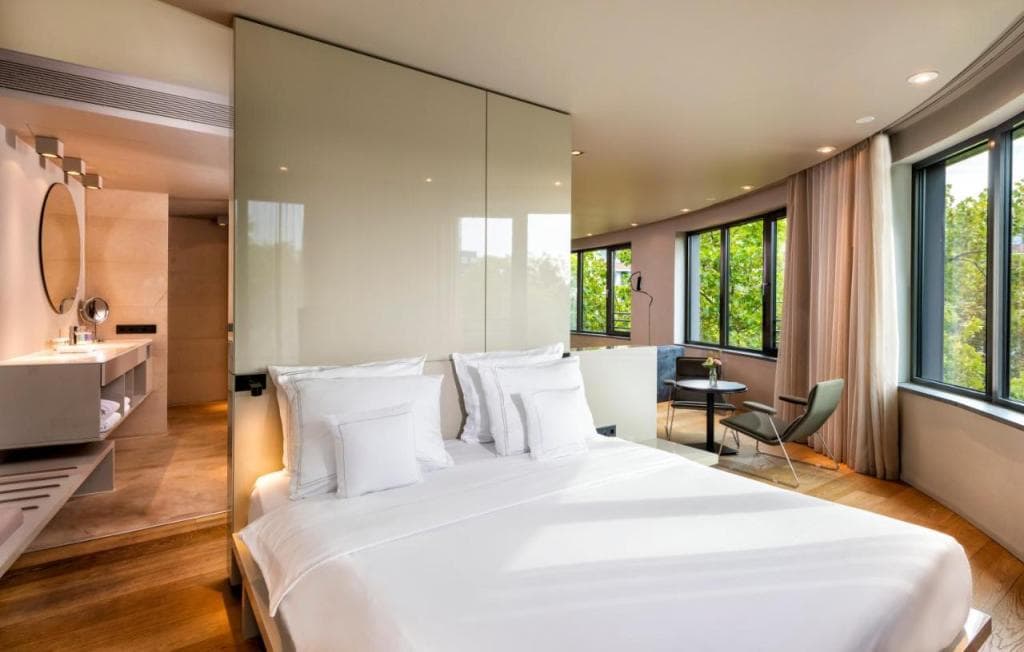
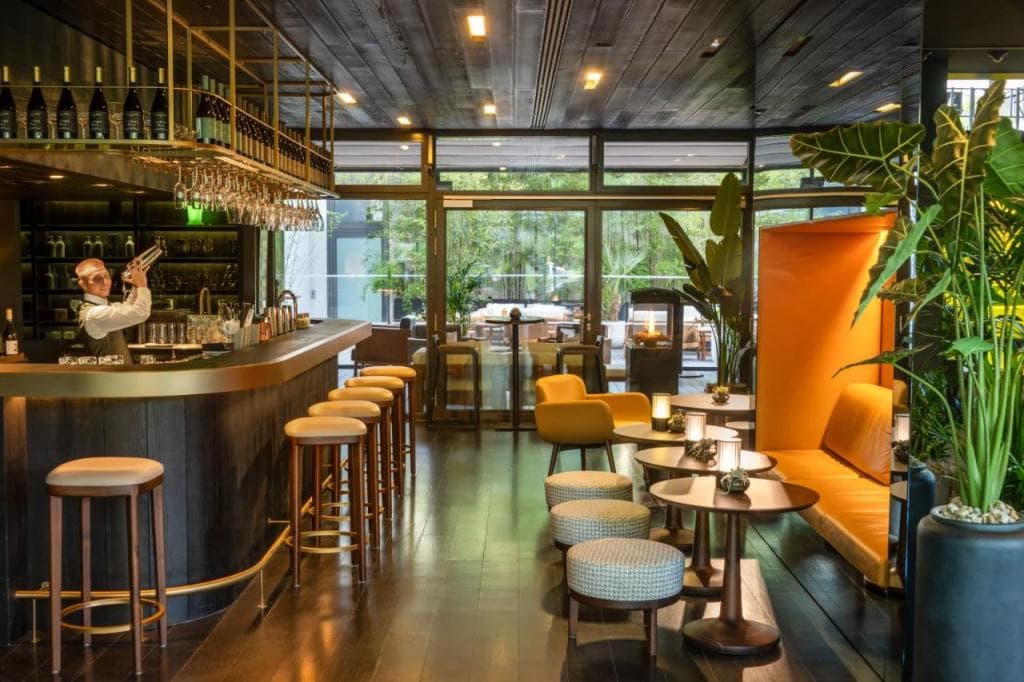
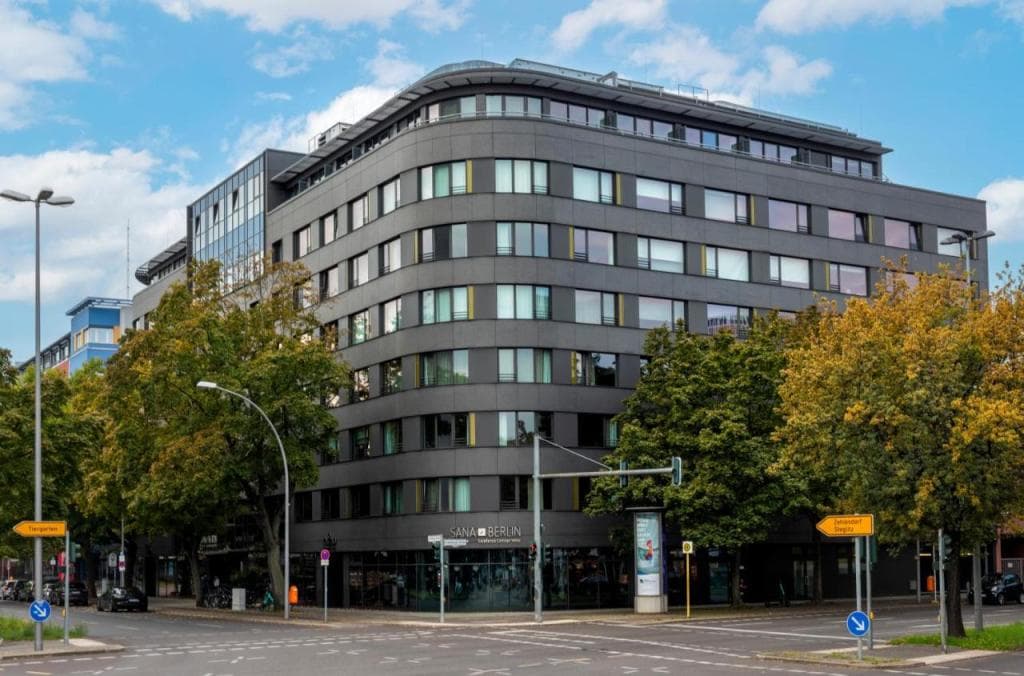
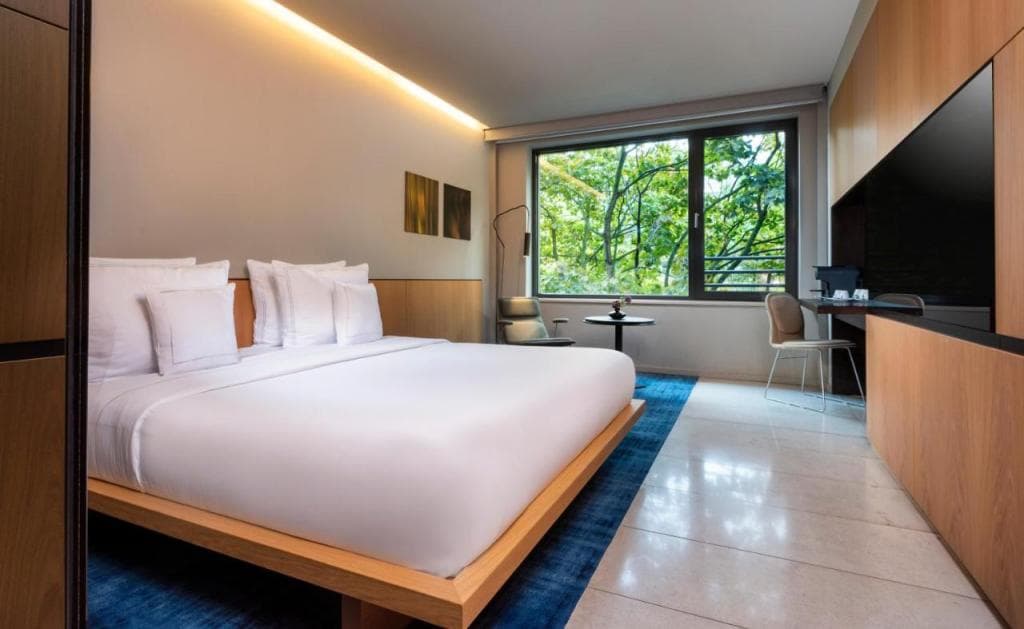
 Berlin236 rooms



 Berlin23 rooms
Results 1 - 25
Berlin's reputation as a queer capital is rooted in a long tradition of tolerance, activism and nightlife that rarely sleeps. A gay-friendly hotel in the city places you within reach of the main LGBTQ+ districts, but also within a broader culture where diversity is woven into museums, theatres and public spaces. Staff tend to be multilingual and accustomed to international travellers seeking both comfort and discretion.
Accommodation options range from design hotels in Mitte to boutique guesthouses in Schöneberg, the historic heart of gay Berlin. Many properties sit near U-Bahn stations, which makes moving between daytime sightseeing and late-night venues straightforward.
Schöneberg, around Nollendorfplatz, remains the symbolic home of queer Berlin. The area hosts the Gay Museum, decades-old bars along Motzstrasse and Fuggerstrasse, and a memorial to homosexual victims of Nazi persecution at the U-Bahn entrance. Leather, bear and cruising venues coexist with quiet cafés and bookshops, giving the district a lived-in, residential feel.
Kreuzberg and Neukölln attract a younger, alternative crowd, with mixed queer bars along Mehringdamm and off Kottbusser Tor. Friedrichshain is the territory of long club nights, including techno institutions around Warschauer Strasse. For more relaxed evenings, Prenzlauer Berg offers wine bars and cabaret stages where queer performers regularly appear.
Beyond nightlife, Berlin rewards slow exploration. The Brandenburg Gate, Reichstag dome and Holocaust Memorial sit within walking distance of each other, while Museum Island gathers five world-class collections on a single UNESCO-listed site. The East Side Gallery preserves the longest surviving stretch of the Berlin Wall, painted by artists from around the world.
Street art, former industrial complexes turned cultural venues and leafy canals in Kreuzberg and Neukölln give the city a texture that shifts block by block. Day trips to Potsdam's palaces or the lakes of Wannsee and Müggelsee offer a calmer counterpoint to the urban pace.
Berlin welcomes LGBTQ+ travellers year-round, but summer concentrates the largest events. Christopher Street Day in late July brings a massive parade through the city centre, while Lesbisch-Schwules Stadtfest transforms Schöneberg into an open-air festival in June. Folsom Europe gathers the fetish community in September, and the Pornfilmfestival animates Kreuzberg cinemas in October.
Winter reveals a different Berlin, with Christmas markets, opera seasons and long evenings in candlelit bars. Spring and autumn suit cultural visits, gallery openings and gastronomy, with milder weather for exploring the districts on foot or by bicycle.