



 Baille-La Timone
 130 rooms
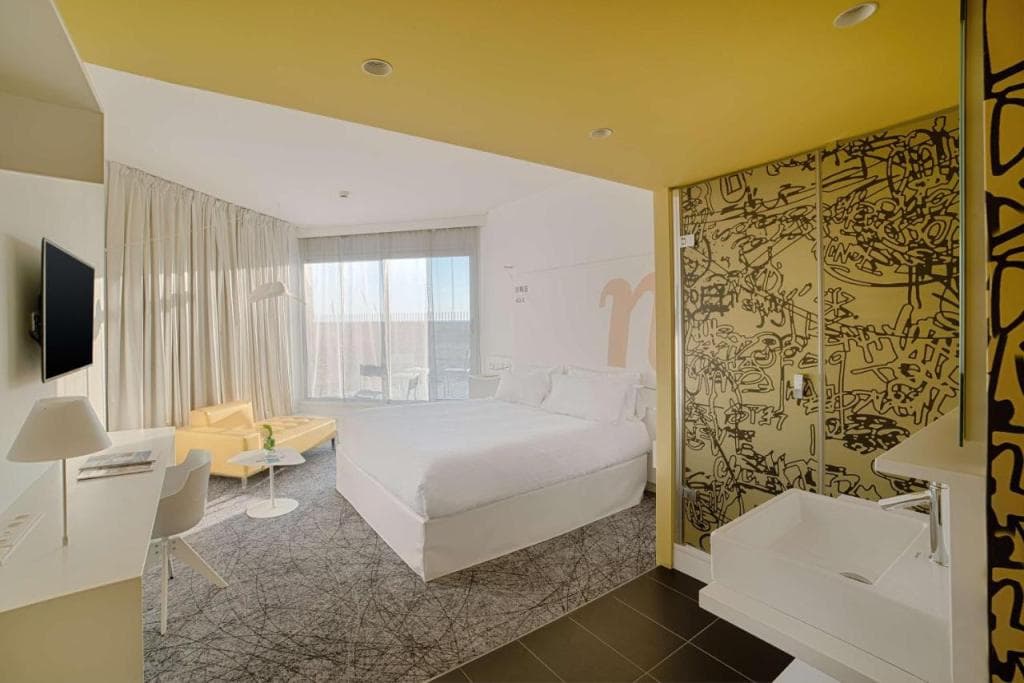
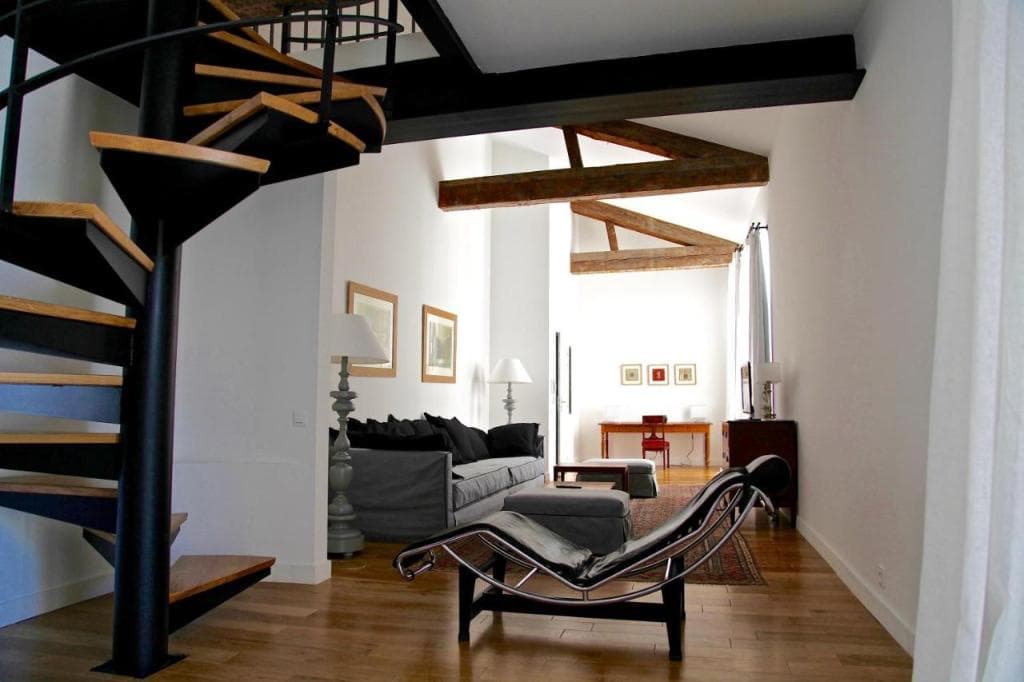
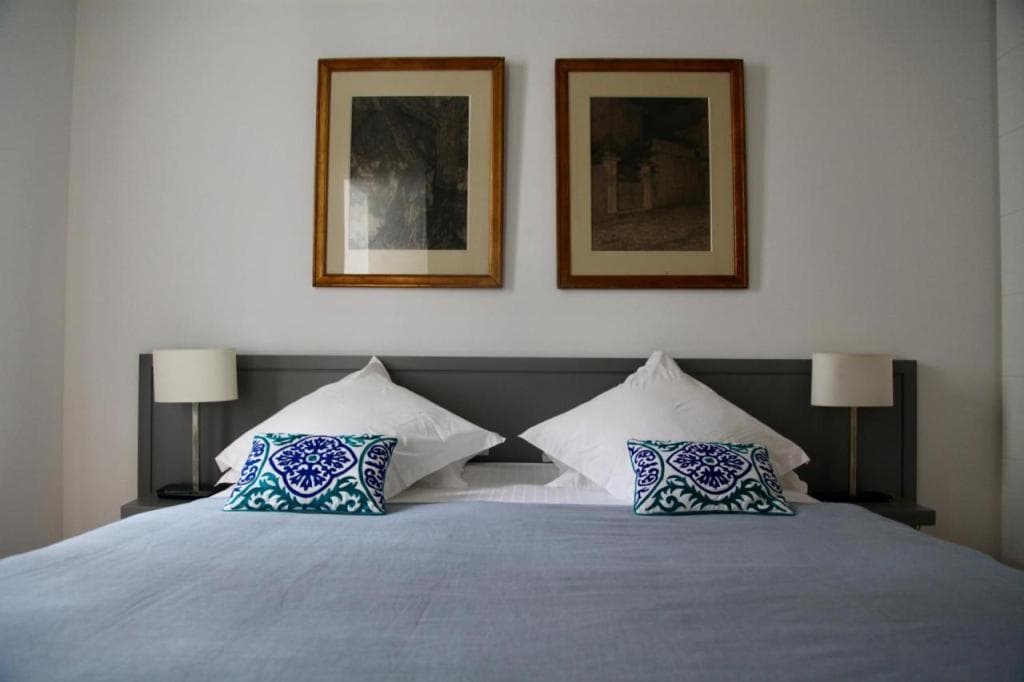
This hotel offers a unique, modern design and rooms equipped with free WiFi and a smart TV. It is located in the fashionable 6th district of Marseille, a 7-minute walk from Metro Noter-Dame du Mont, C

 Baille-La Timone130 rooms
This hotel offers a unique, modern design and rooms equipped with free WiFi and a smart TV. It is located in the fashionable 6th district of Marseille, a 7-minute walk from Metro Noter-Dame du Mont, C
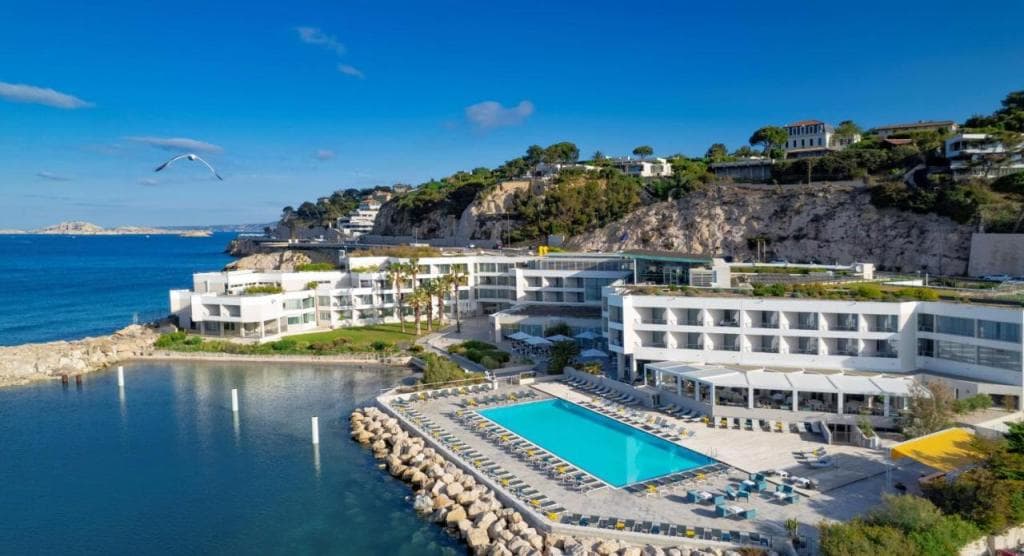
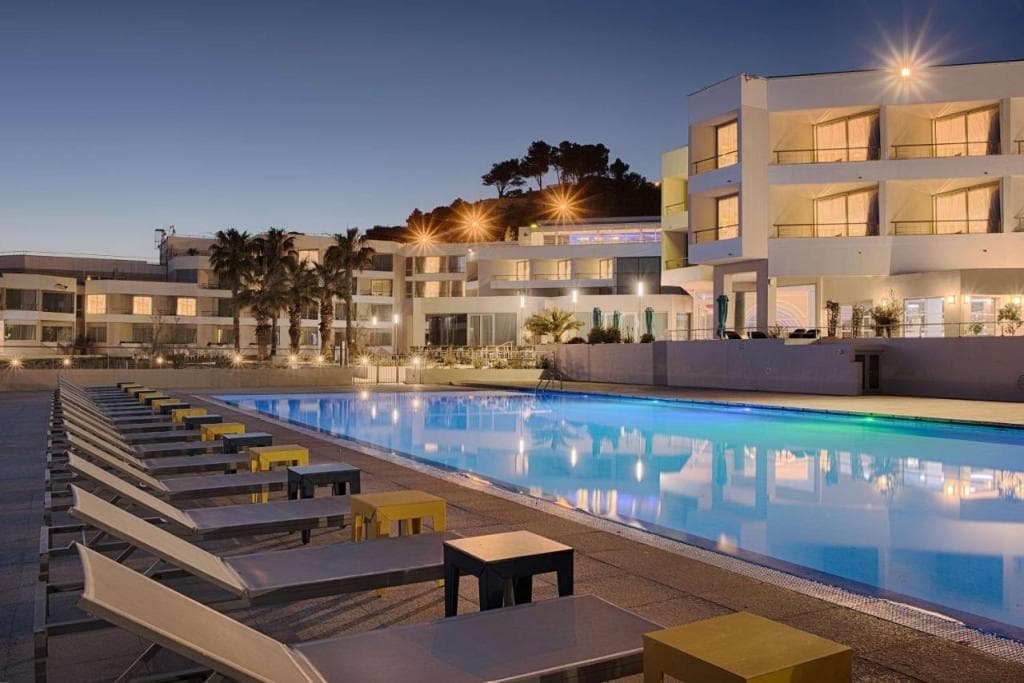
La Corniche, Prado-Perier189 roomssitudated in Prado Bay, nhow Marseille at Palm Beach is 2.5 mi from Marseille center. The property offers an outdoor swimming pool, a spa center, sea and mountain views. Free WiFi is available at the
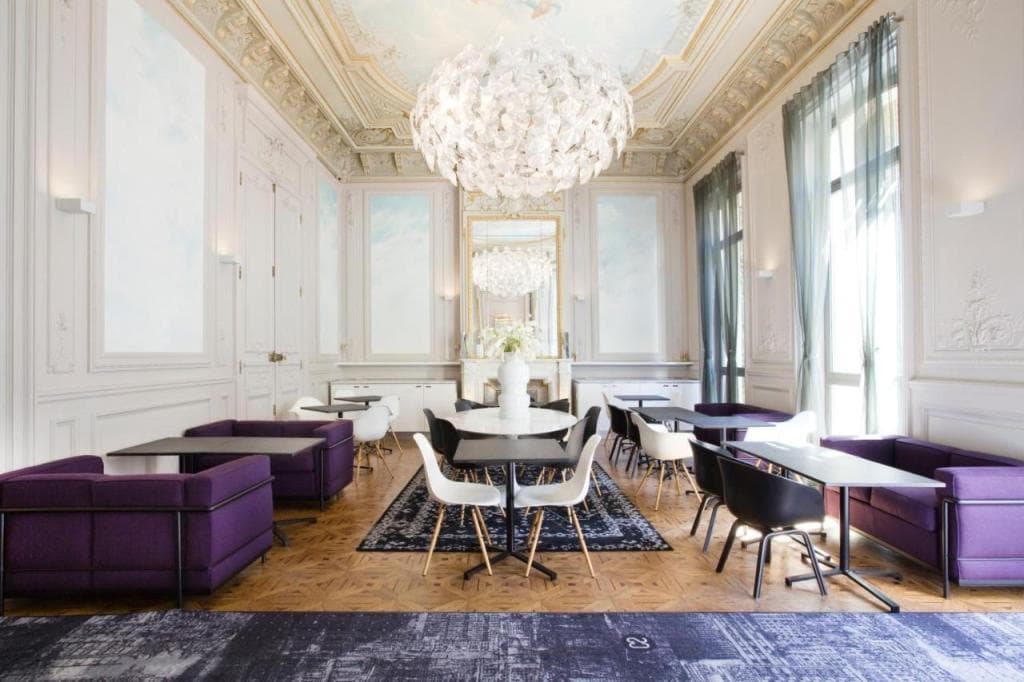
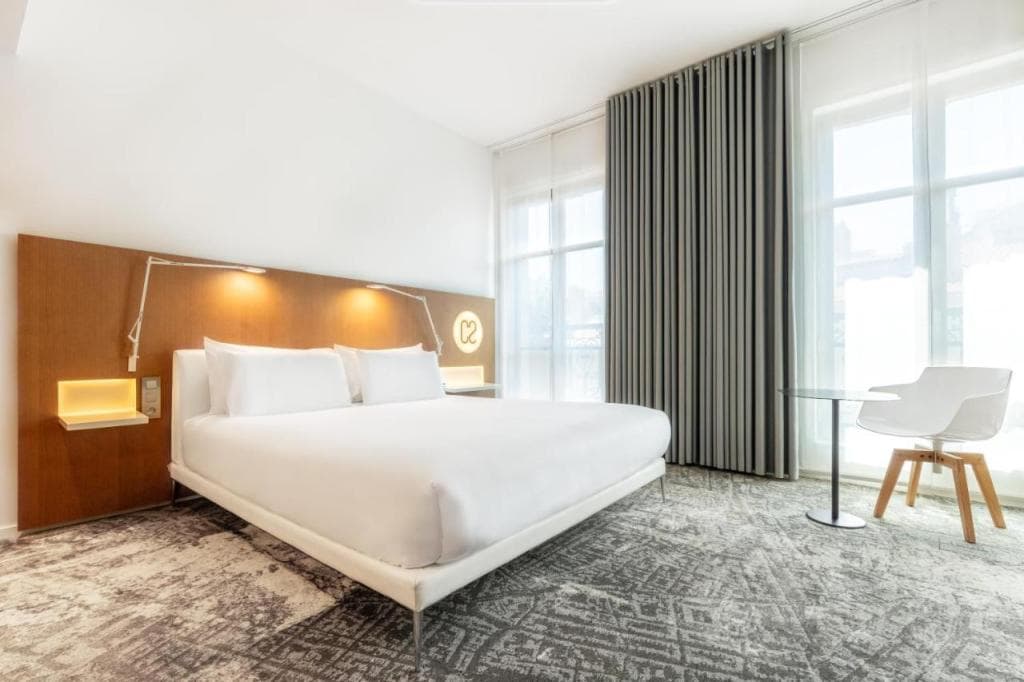
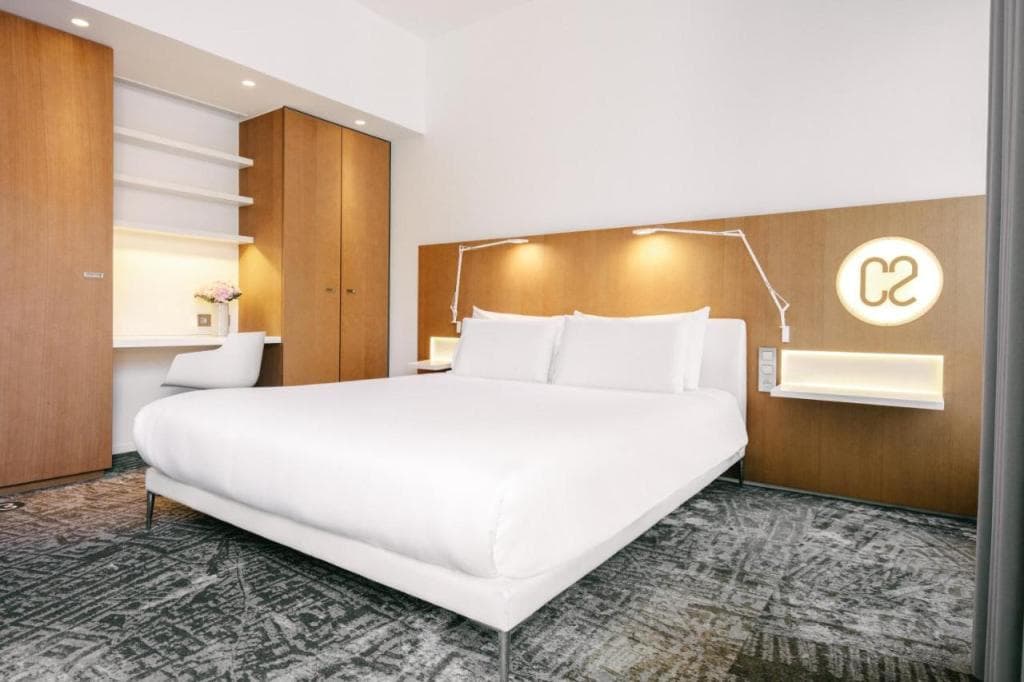
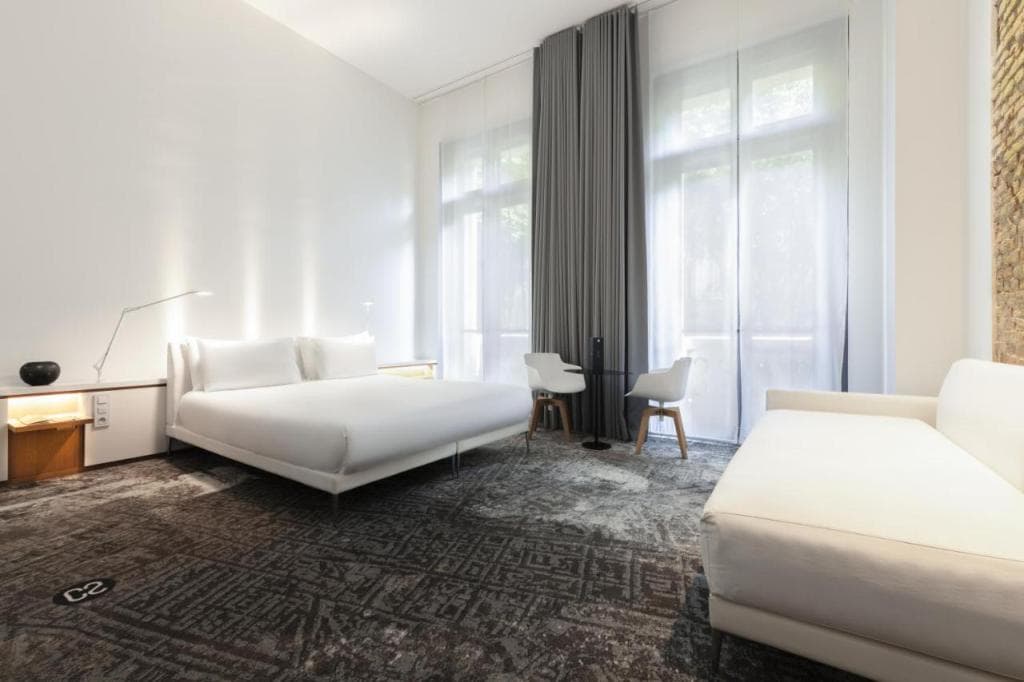
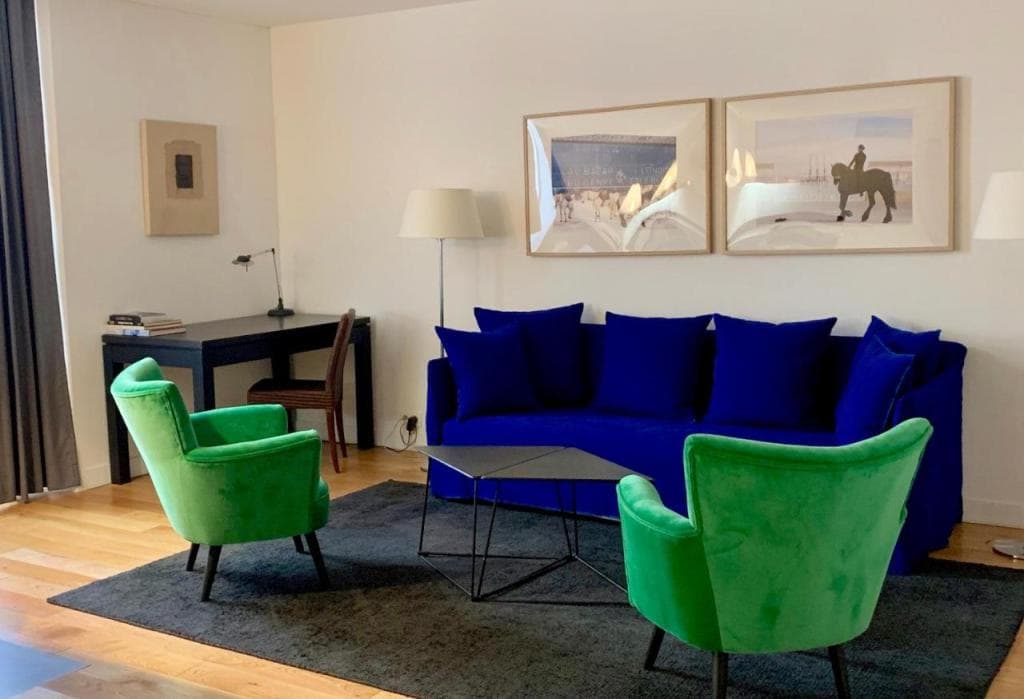
Vieux Port - La Canebière20 roomsFeaturing a grand piano, Hôtel C2, located in the Pierre Puget courtyard in Marseille, is a 19th-century private mansion converted into a hotel. It features the original marble and parquet floors, col
La Corniche19 roomsFeaturing a Three Michelin-Star restaurant with sea views, Le Petit Nice - Passedat is a 5-star seaside hotel in Marseille, located 1.9 mi from the city center. The property features a bar, a terrace
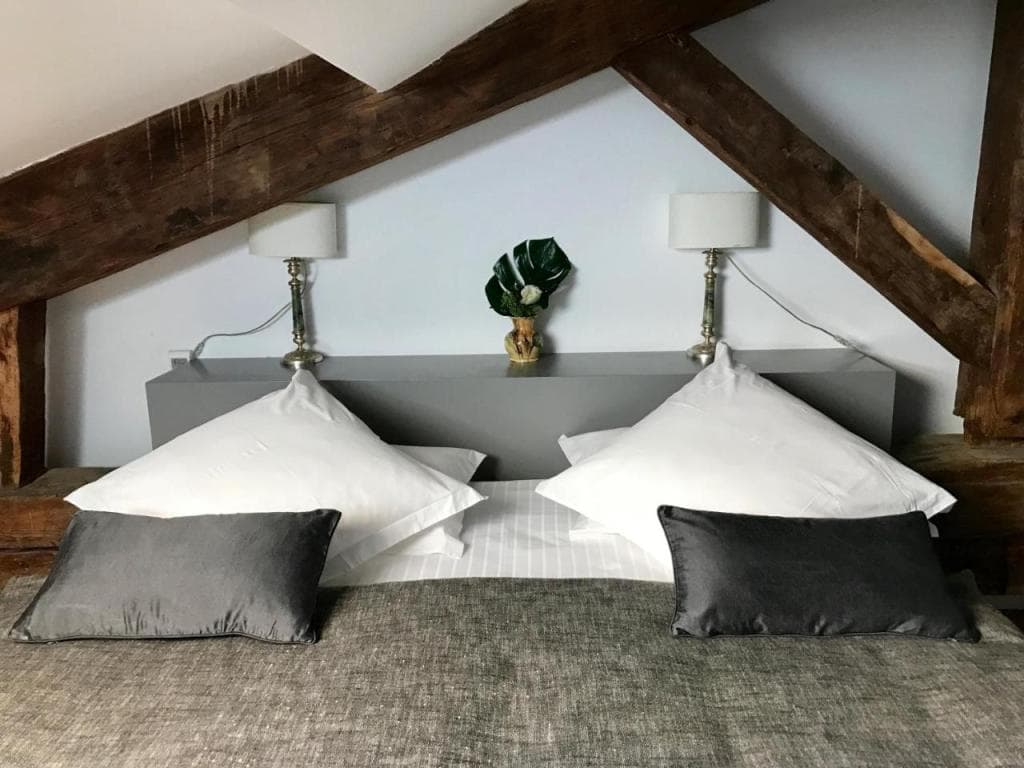
Le Panier, Vieux Port - La Canebière8 rooms## Prime Location Le Couvent Marseille is located in Marseille city center, less than 0.6 mi from Vieux Port Metro station and 13 mi from Marseille Provence Airport. Nearby attractions include La Maj
La Corniche19 roomsLocated in Marseille, 1312 feet from the Palais du Pharo, Les Bords De Mer - Fontenille Collection offers, among other amenities, a rooftop outdoor swimming pool, open seasonally and exclusively reser
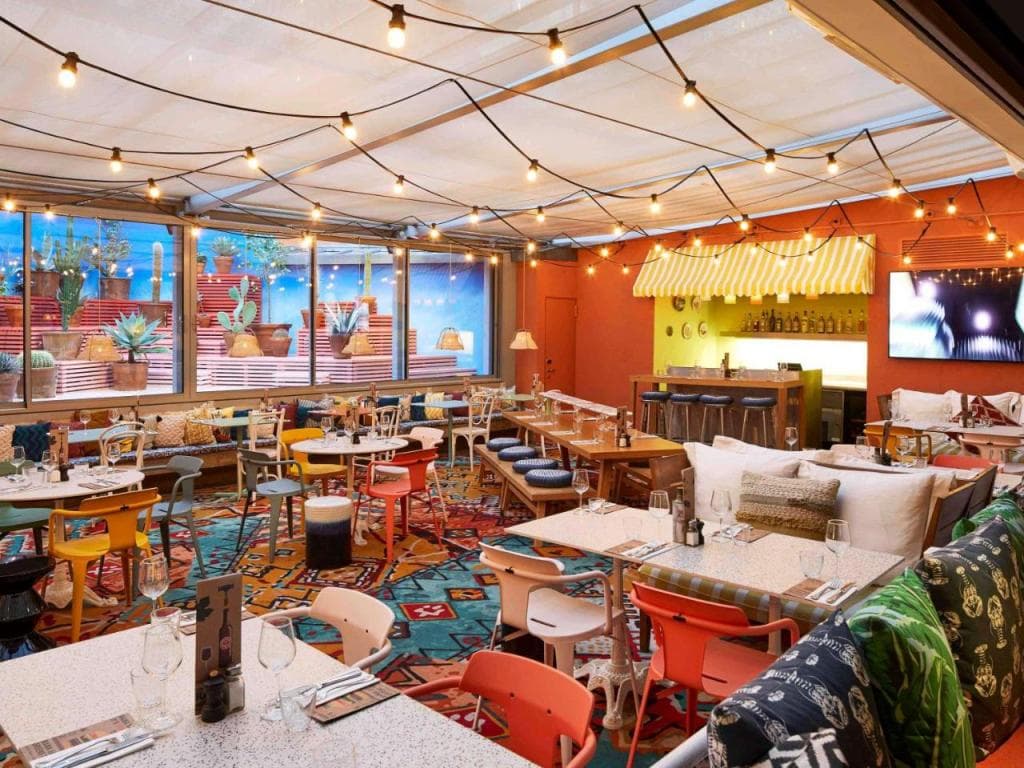
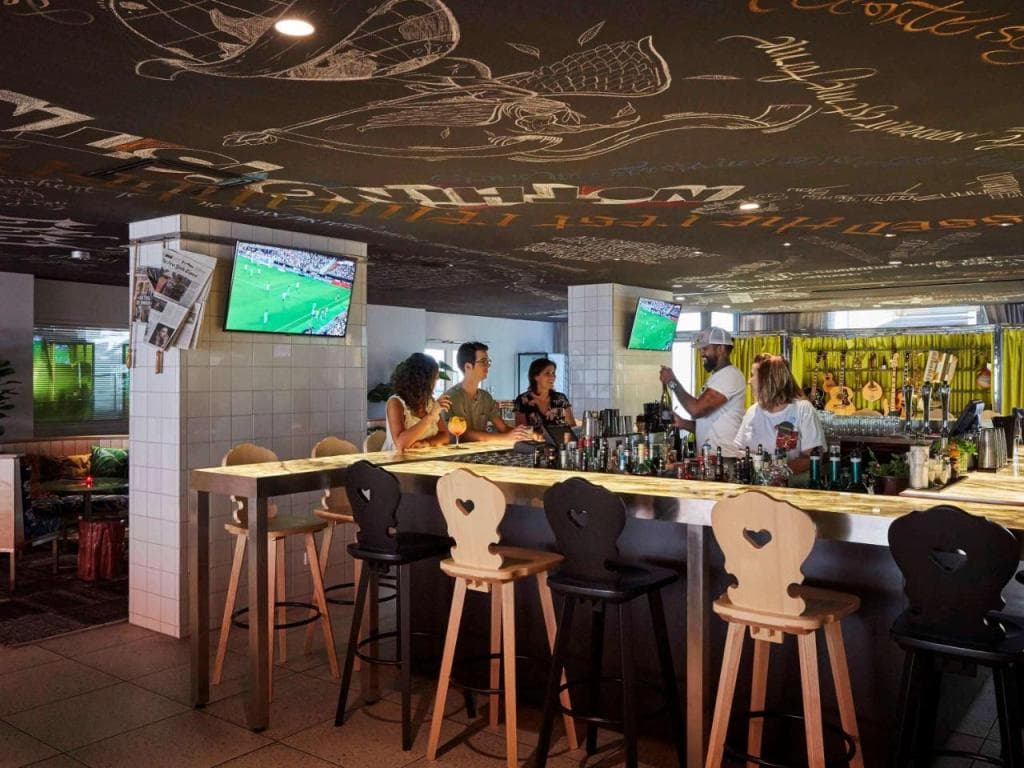
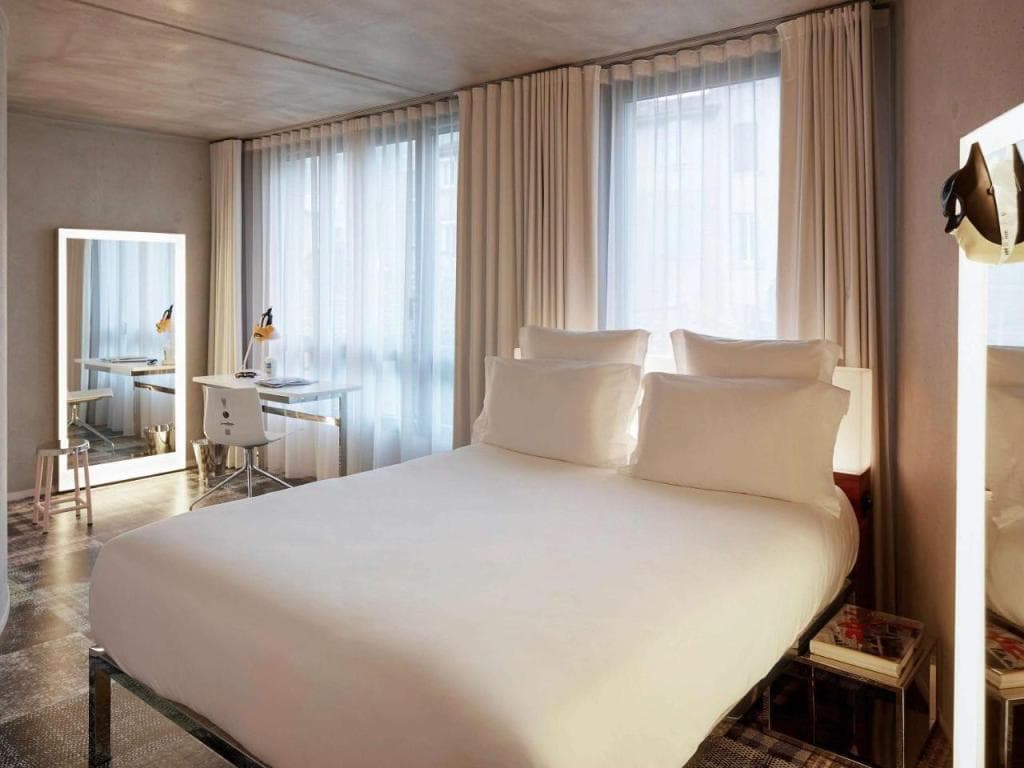
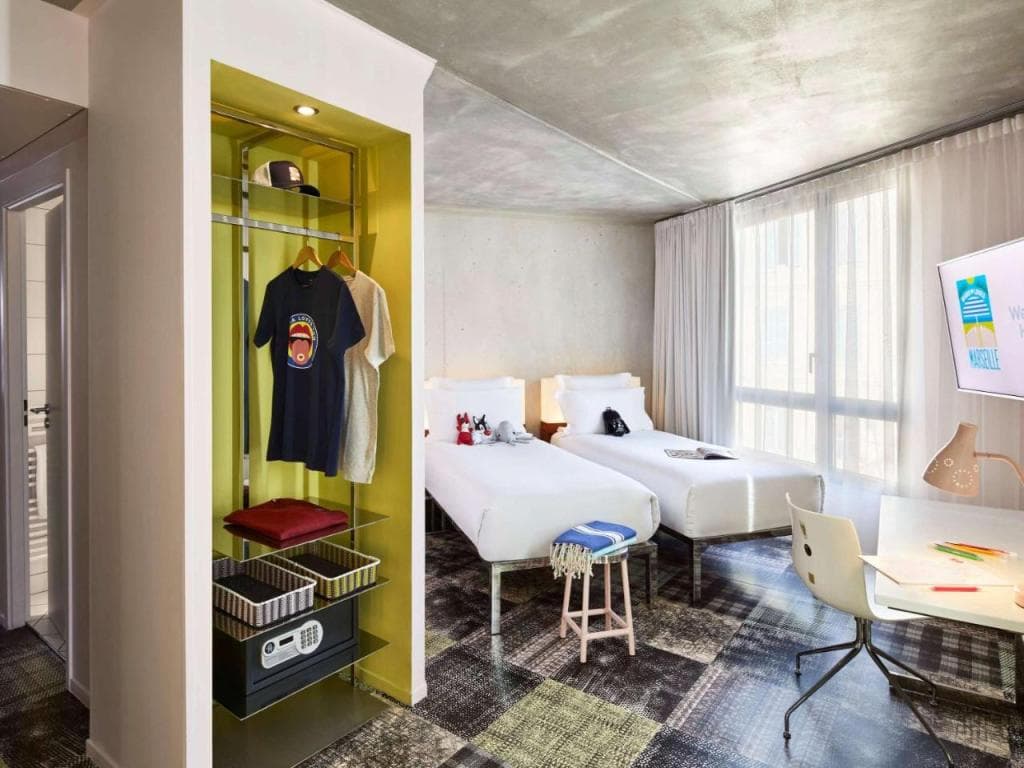
Vieux Port - La Canebière79 roomsOverlooking the Old Port, Maisons du Monde Hôtel & Suites - Marseille Vieux Port is located in the heart of Marseille. It offers modern air-conditioned rooms and free WiFi. The soundproofed rooms at…
Results 1 - 7
Marseille has long cultivated a Mediterranean identity rooted in diversity, trade and migration, which gives the city a naturally inclusive temperament. The LGBTQ+ community here is woven into daily life rather than confined to a single district, and visitors feel that mix in cafés, beaches and cultural venues across the city. Gay-friendly hotels typically cluster around the Vieux-Port, the Joliette docklands and the leafy slopes of Endoume, offering proximity to nightlife, transport and the sea.
The hospitality scene ranges from design boutiques in restored Haussmann buildings to contemporary addresses overlooking the harbour. Staff trained to welcome same-sex couples without hesitation, rooftop terraces facing Notre-Dame de la Garde and easy access to the ferry for Frioul and the Calanques make these stays particularly suited to a relaxed weekend or a longer Provençal escape.
The heart of queer Marseille beats around Cours Julien and the streets climbing toward La Plaine, where independent bars, vintage shops and street art set the tone. Venues such as MP Bar near the Vieux-Port and the long-standing Trash Bar gather a mixed crowd until late, while Sunday afternoons at the Plage des Catalans draw a discreet but visible LGBTQ+ presence on the sand.
For a more polished evening, the quais of the Vieux-Port line up wine bars, seafood restaurants and dance floors that stay lively well past midnight. The scene is smaller than in Paris or Berlin, but the welcome is direct and conversations flow easily between locals and visitors.
Above the city, the basilica of Notre-Dame de la Garde watches over rooftops and shipping lanes, offering one of the most striking panoramas on the French coast. Down at sea level, the MuCEM and its black concrete lacework connect Fort Saint-Jean to the Joliette esplanade, anchoring a cultural quarter that has transformed the waterfront over the past decade.
The historic Le Panier district, a maze of ochre façades and artisan workshops, contrasts with the rugged drama of the Calanques National Park, accessible by boat or hiking trail. A boat ride to the Château d'If, an aperitif of pastis on a shaded terrace and a plate of panisses complete the Marseille ritual.
Spring and early autumn bring mild temperatures ideal for swimming and exploring on foot. Marseille Pride, held in early July, animates the Vieux-Port with a march and open-air concerts, while summer adds festivals such as the Festival de Marseille and outdoor cinema at the Mucem. Winter remains gentle, perfect for museum days, fish markets and long lunches in Le Panier.