

 Cannes City-Centre, Croisette
 75 rooms
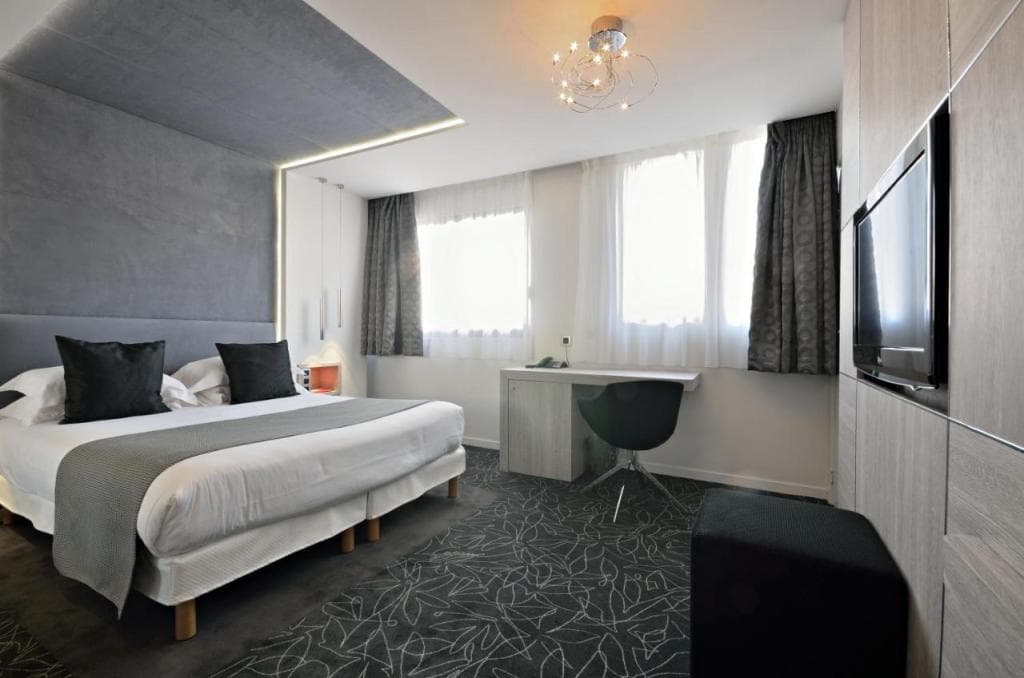
On the famous Boulevard de la Croisette, just 1804 feet from Palais des Festivals, the brand-new Mondrian Cannes features 75 rooms and suites overlooking the sea or city. The hotel offers a unique cul

 Cannes City-Centre, Croisette75 rooms
On the famous Boulevard de la Croisette, just 1804 feet from Palais des Festivals, the brand-new Mondrian Cannes features 75 rooms and suites overlooking the sea or city. The hotel offers a unique cul
Cannes City-Centre, Croisette379 roomsBuilt in 1911, the hotel overlooks the bay on the Boulevard Croisette and features its own private beach, pier and Belle Epoque façade. It is located 2625 feet from the Palais des Festivals, in centra
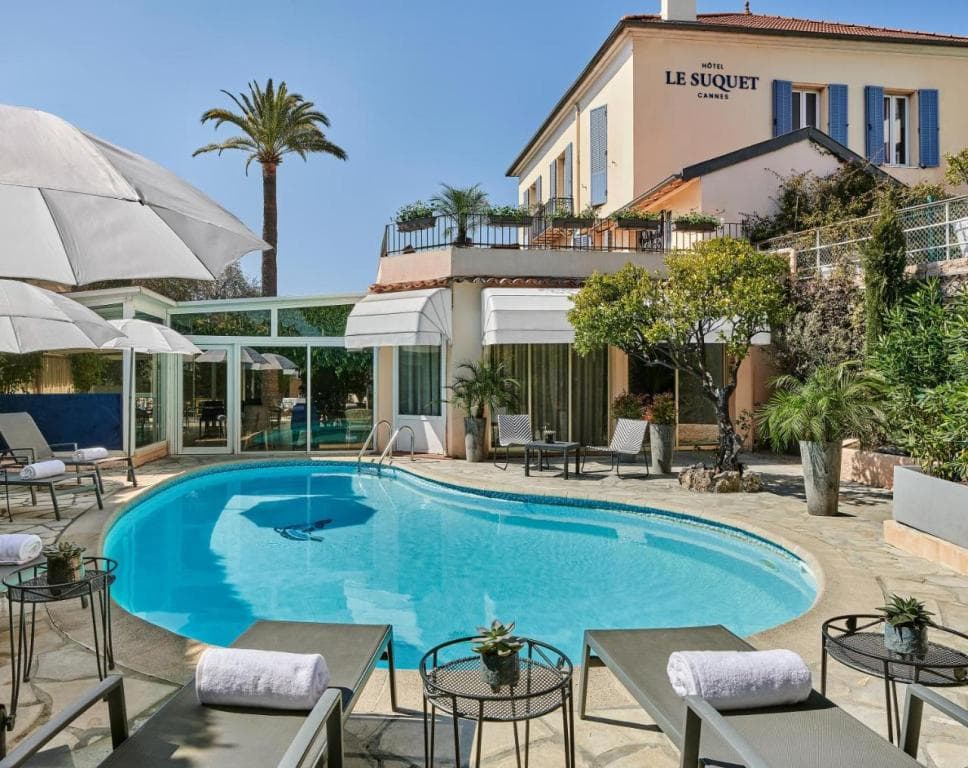
Cannes22 rooms## Comfortable Accommodations Hotel Le Suquet Cannes in Cannes offers family rooms with sea views, terraces, and balconies. Each room includes air-conditioning, a private bathroom, and free WiFi. ##
Cannes City-Centre, Croisette428 roomsLocated on the famous Boulevard La Croisette in Cannes, Hôtel Martinez - in the Unbound Collection by Hyatt is a 5-star hotel featuring a private beach, which is accessible for an extra charge. Guests
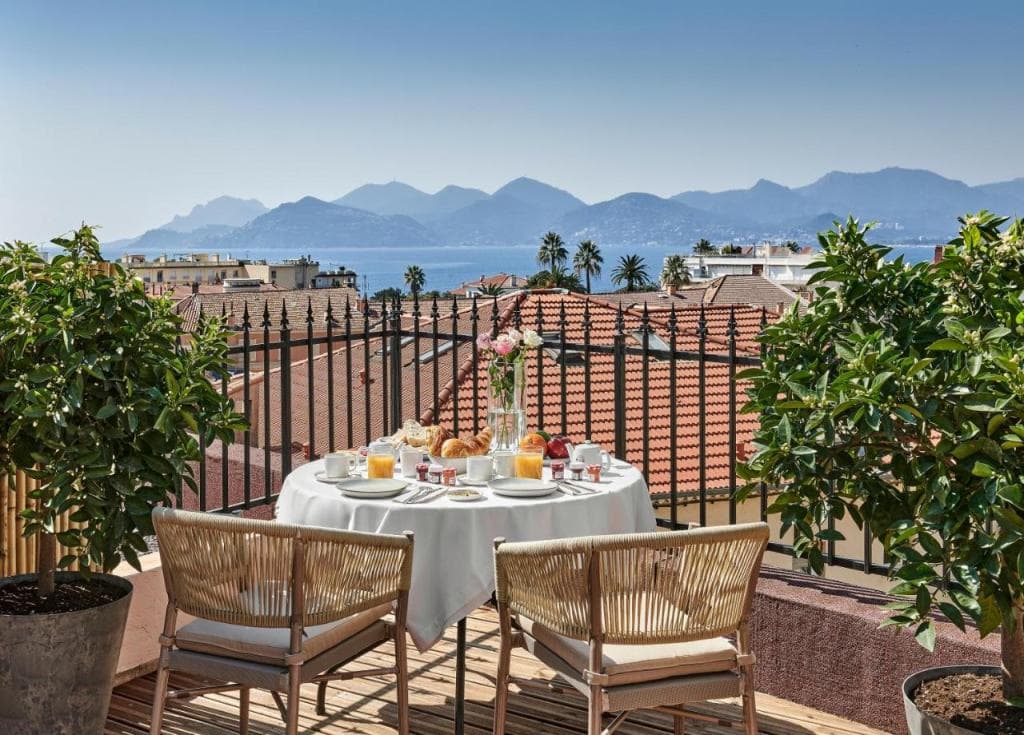
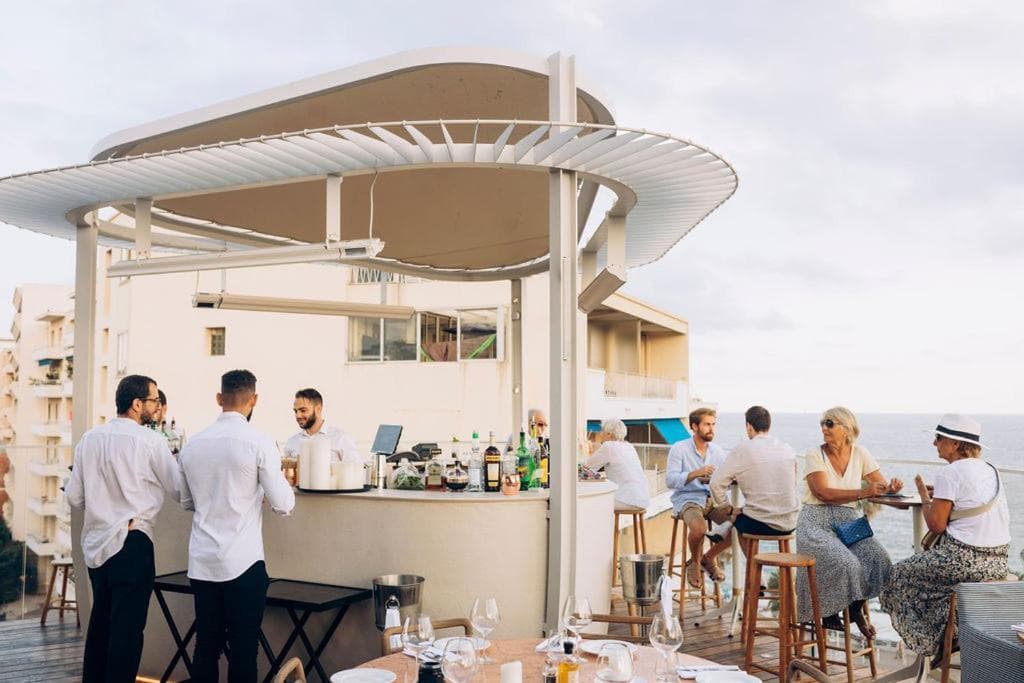
Cannes City-Centre, Palais des Festivals - Old Port45 roomsLocated 328 feet from the sandy beaches of la Croisette and the Palais des Festivals, Five Seas by Inwood Hotels offers spacious rooms and suites. It features a roof-top terrace with a 13-yard outdoor
Cannes City-Centre, Croisette, Palais des Festivals - Old Port3 roomsOffering views of the Mediterranean Sea, Hôtel Barrière Le Majestic Cannes is located on the famous Boulevard La Croisette in Cannes, 361 feet from the Palais des Festivals and the old port. It has a
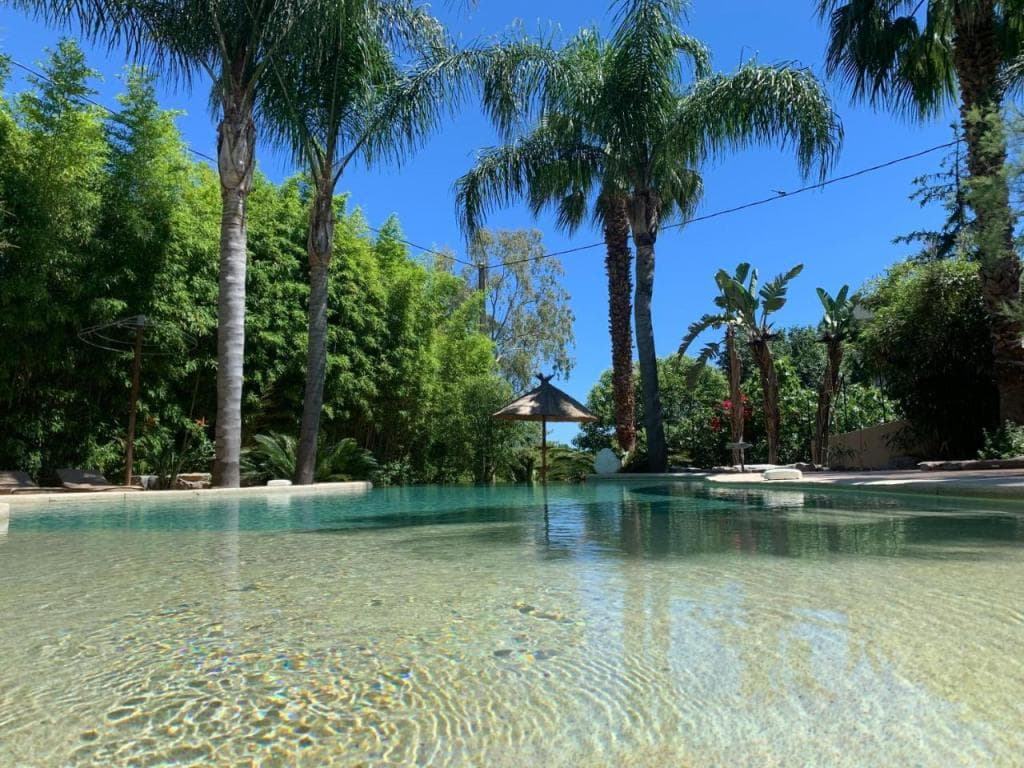
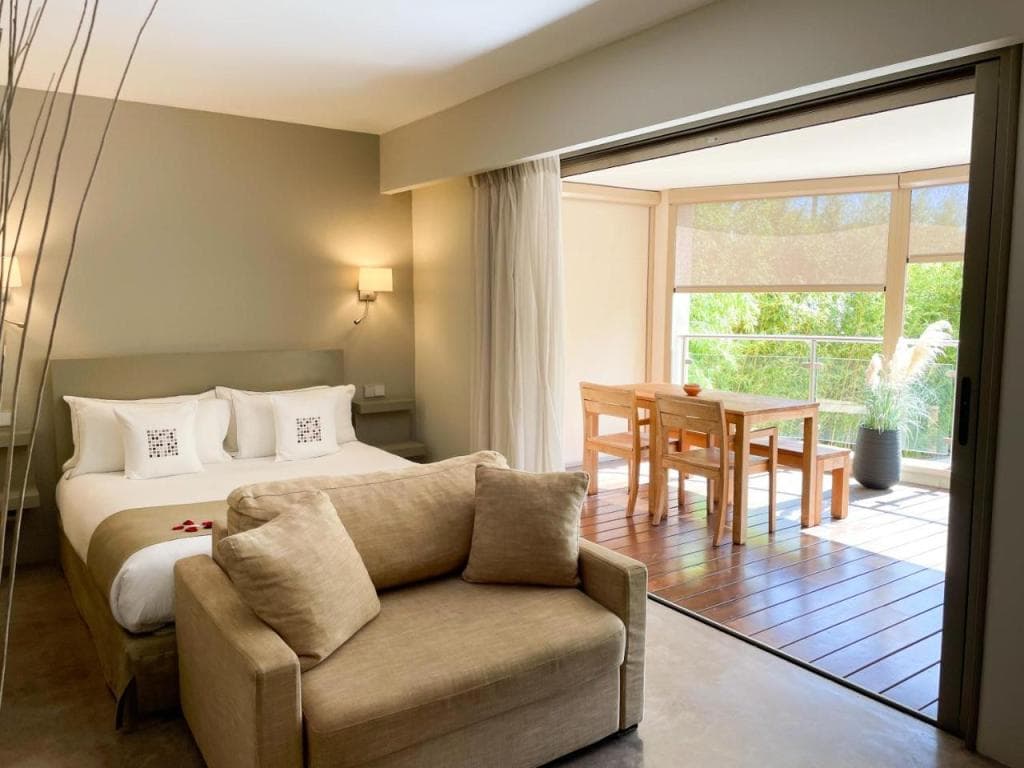
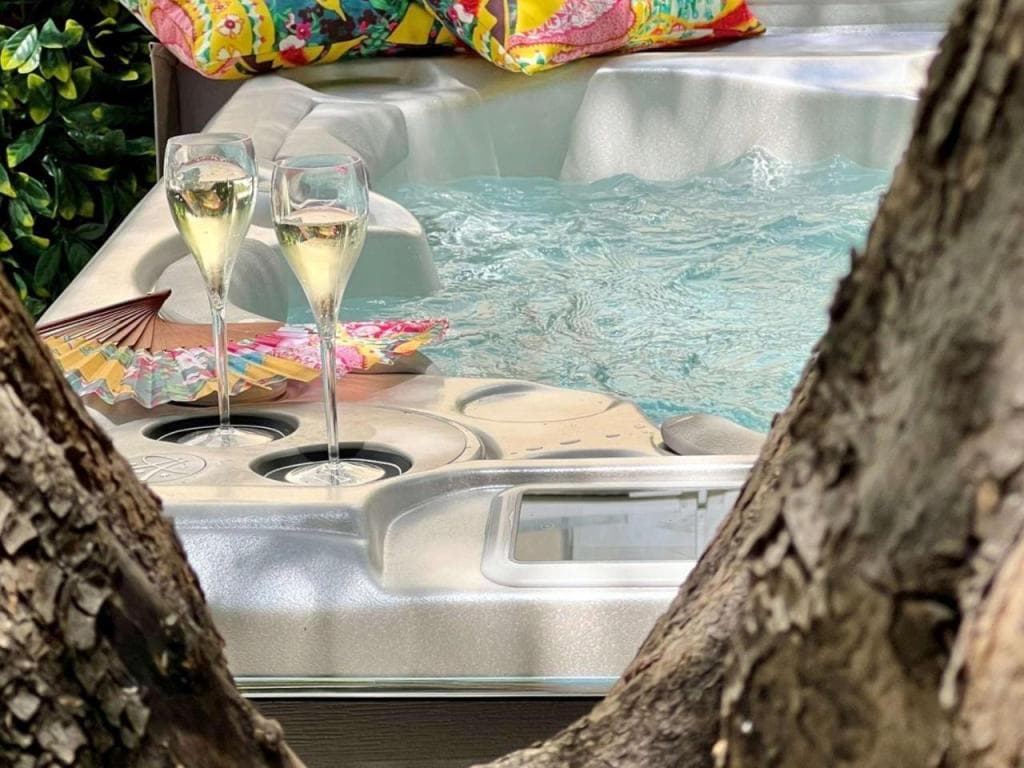
Cannes7 roomsLocated a 5-minute drive from the center of Cannes in 6562 ft² of tropical gardens, this guest accommodations features an infinity pool, a hammam and a hot tub. It offers rooms with a teak deck patio
Cannes City-Centre131 roomsOffering a sun terrace and sauna, Okko Hotels Cannes Center is located 328 feet from Cannes Train Station and 1640 feet from Palais des Festivals de Cannes. Free WiFi is offered throughout the hotel.
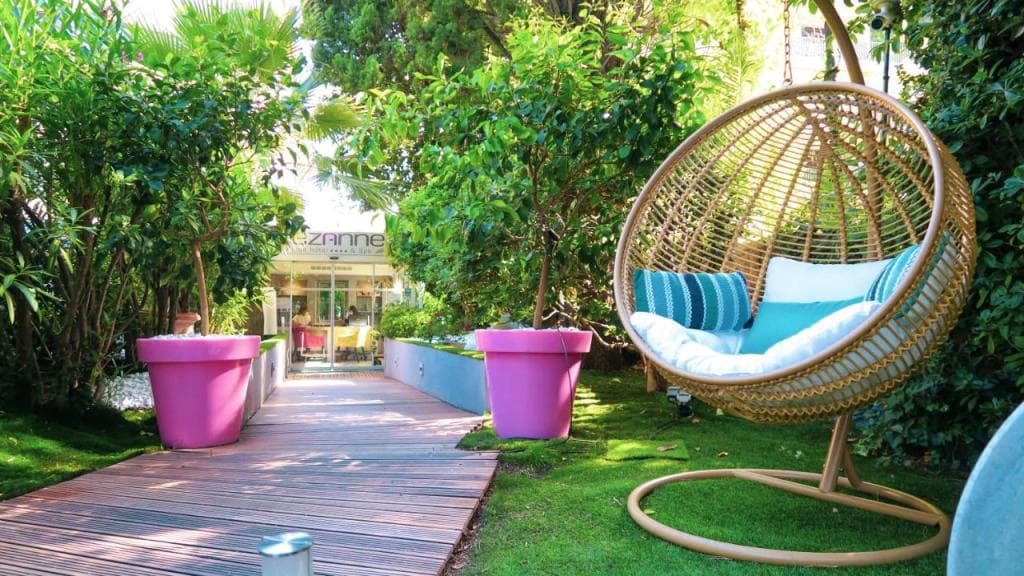
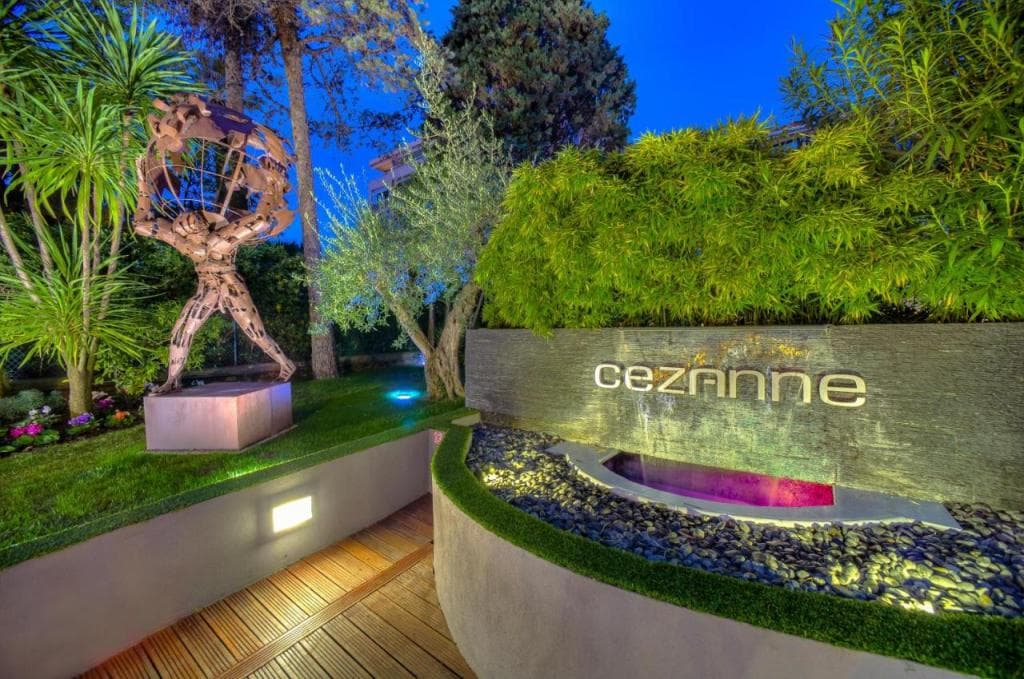
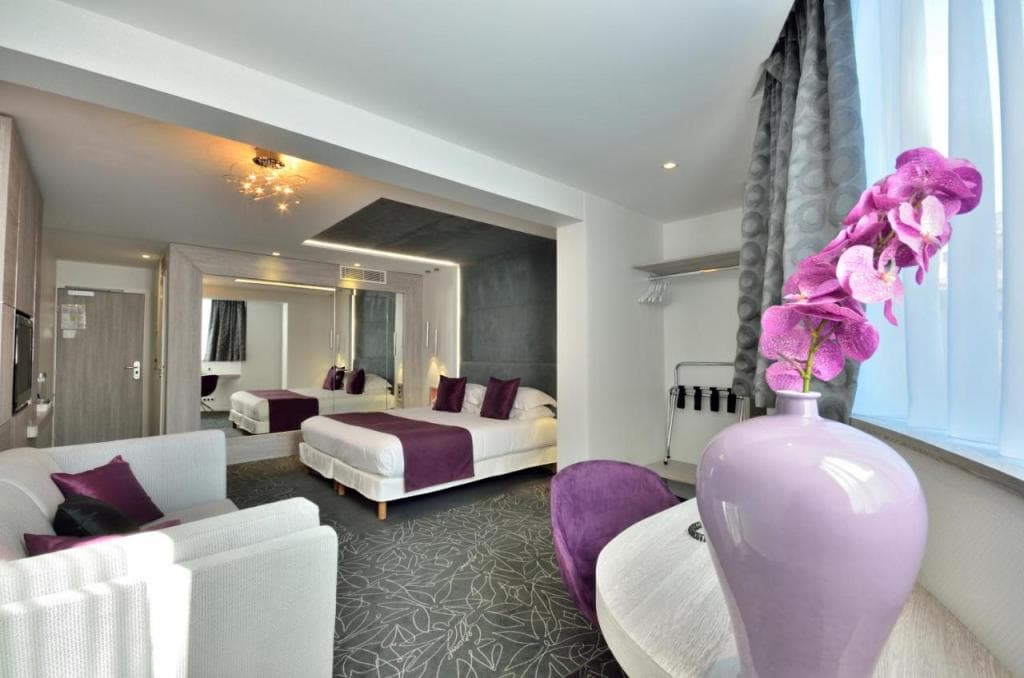
La Californie Pezou28 roomsLocated in Cannes, the Cézanne is 1804 feet from the beach and Boulevard de la Croisette. Free WiFi access and a flat-screen TV are provided in the air-conditioned rooms and suites at Cezanne Hotel.
Cannes City-Centre94 roomsThis 4-star hotel is located in central Cannes, just 492 feet from the beaches of La Croisette. It offers a private beach (with extra cost) for the guests and upon prior booking, an outdoor swimming p
Cannes City-Centre, Le Suquet - Old Town54 roomsThe Hôtel & Spa Belle Plage is a multi-faceted, contemporary and authentic living space where you can enjoy all the experiences designed to recharge your batteries and pamper yourself in a unique sett
Results 1 - 11
Cannes has long welcomed an international crowd drawn by cinema, design and seaside leisure, which has shaped a hospitality culture attentive to every guest. Inclusive hotels here understand the codes of discreet luxury: same-sex couples are greeted naturally at reception, on the private beach or at breakfast facing the bay, without questions or assumptions. The selection covers Belle Époque palaces along the Croisette, designer boutique addresses in the city centre and intimate guesthouses in Le Suquet, all sharing a common thread of attentive, non-judgemental service.
The compact size of Cannes makes it easy to combine sea, culture and nightlife on foot. From most hotels, the beach, the Palais des Festivals and the harbour are reachable in minutes, which suits couples looking for a relaxed Riviera escape rather than long transfers.
Cannes does not have a clearly defined gay village, but its LGBTQ+ life unfolds along the seafront and around Rue Macé and Rue du Commandant André, where lounge bars, cocktail terraces and late-night venues attract a mixed, open-minded clientele. Several beach clubs on the Croisette welcome same-sex couples with the same ease as anywhere else, and summer brings DJ sets and beach parties that draw visitors from Nice, Saint-Tropez and Monaco.
For a more pronounced scene, the wider Côte d'Azur is at hand: Nice, less than forty minutes away by train, offers a denser network of LGBTQ+ bars and the historic Pride of the region, while Cannes itself focuses on stylish evenings, rooftop sundowners and waterfront dining.
Beyond its festival image, Cannes rewards visitors who take time to wander. The old town of Le Suquet, perched above the harbour, leads through stepped lanes to the Notre-Dame de l'Espérance church and a panoramic view over the Bay of Cannes and the Estérel mountains. The covered Forville market reveals Provençal flavours, while the Rue d'Antibes lines up fashion boutiques and concept stores parallel to the seafront.
A short boat ride leads to the Lérins Islands: Sainte-Marguerite, with its pine forests and the fort that once held the Man in the Iron Mask, and Saint-Honorat, home to a working monastery and vineyards. These car-free islands offer a quiet counterpoint to the bustle of the Croisette and make an ideal day out for couples seeking nature and history.
Spring and early autumn are particularly pleasant, with mild temperatures, lighter crowds and clear light over the Mediterranean. The Cannes Film Festival in May transforms the city into a global stage, while summer brings the Festival d'Art Pyrotechnique, jazz nights and lively beach scenes. For a more intimate stay, September and October combine warm sea, accessible rates and a calmer Croisette, ideal for exploring the Riviera at a slower pace.