



 Florence
 117 rooms
 Florence117 rooms



 Florence13 rooms
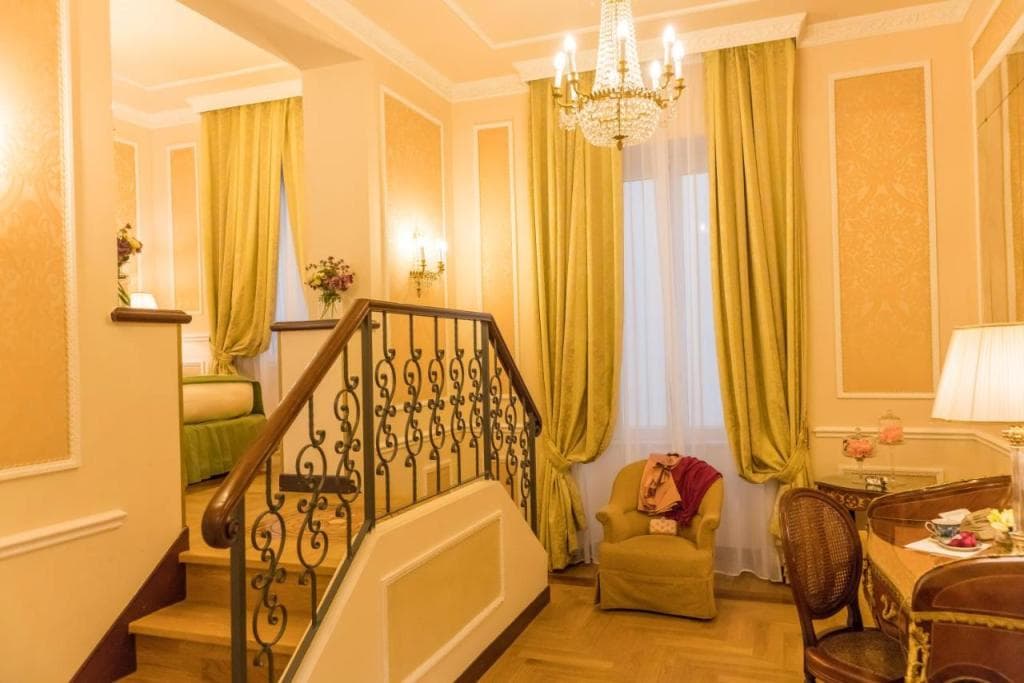
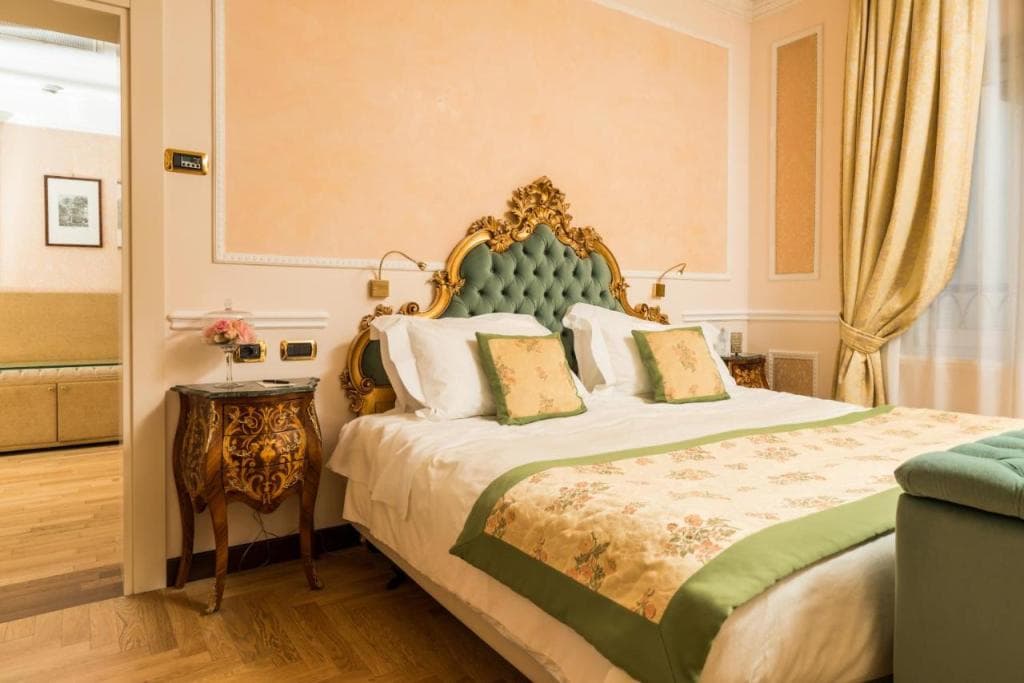 Florence81 rooms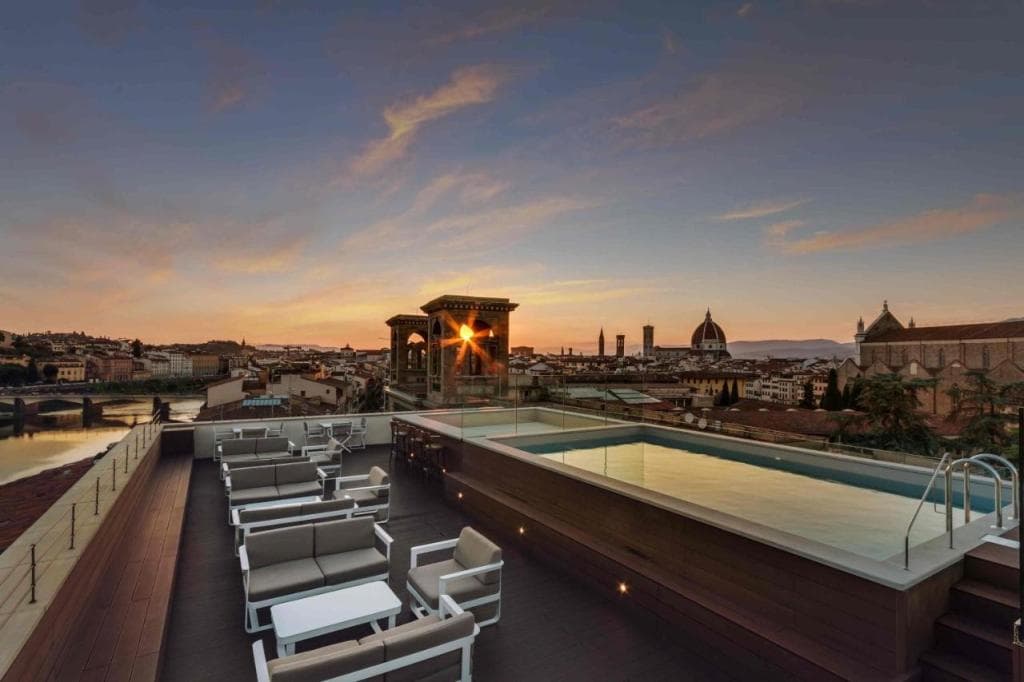
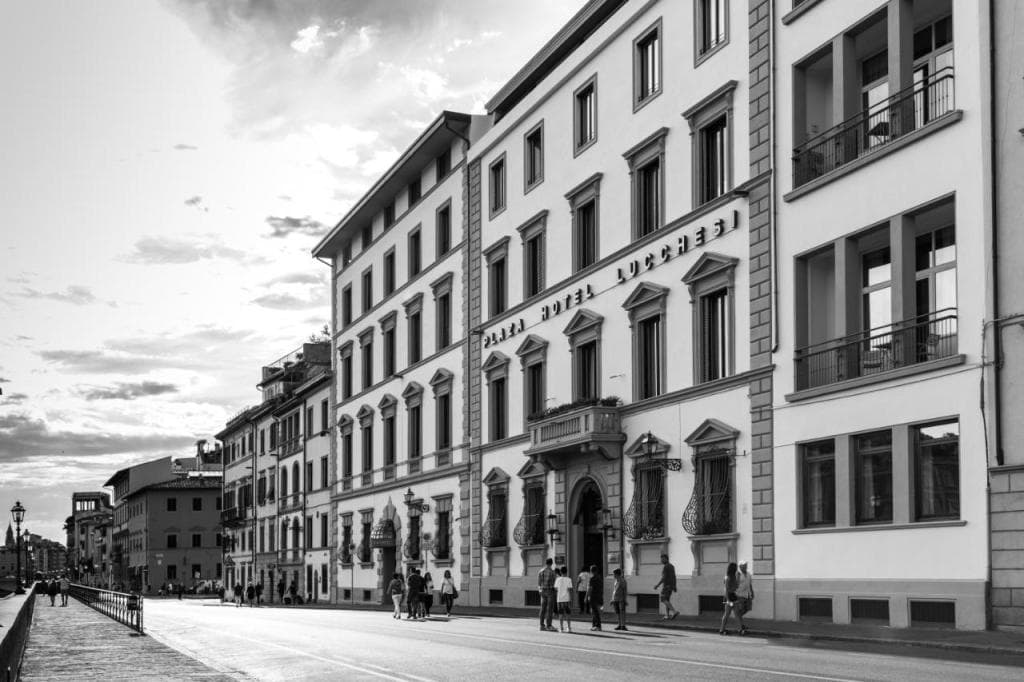
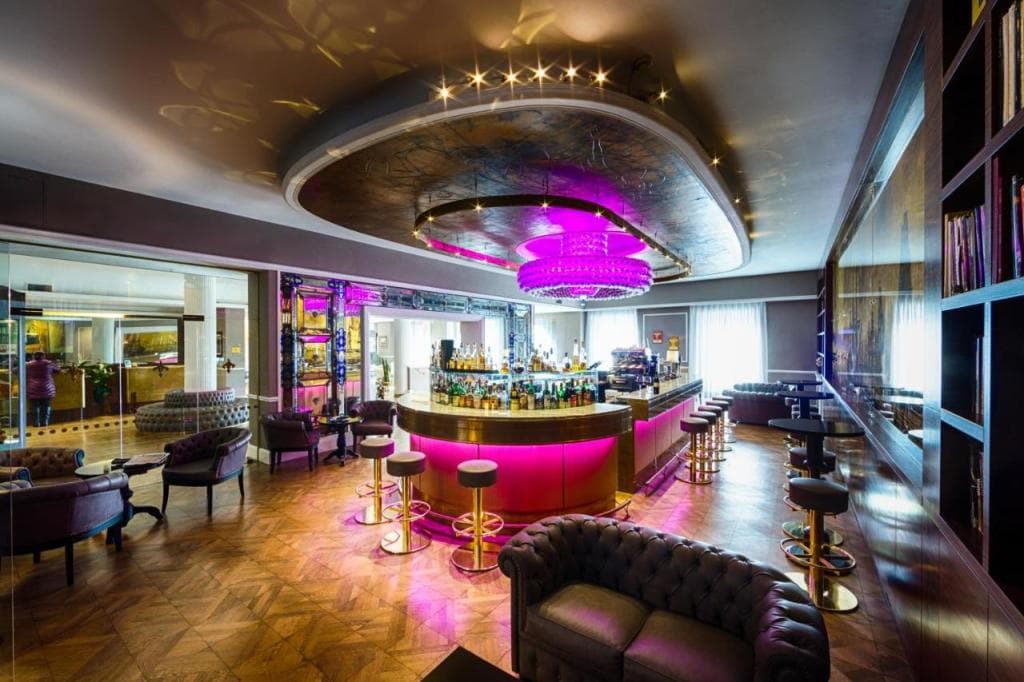
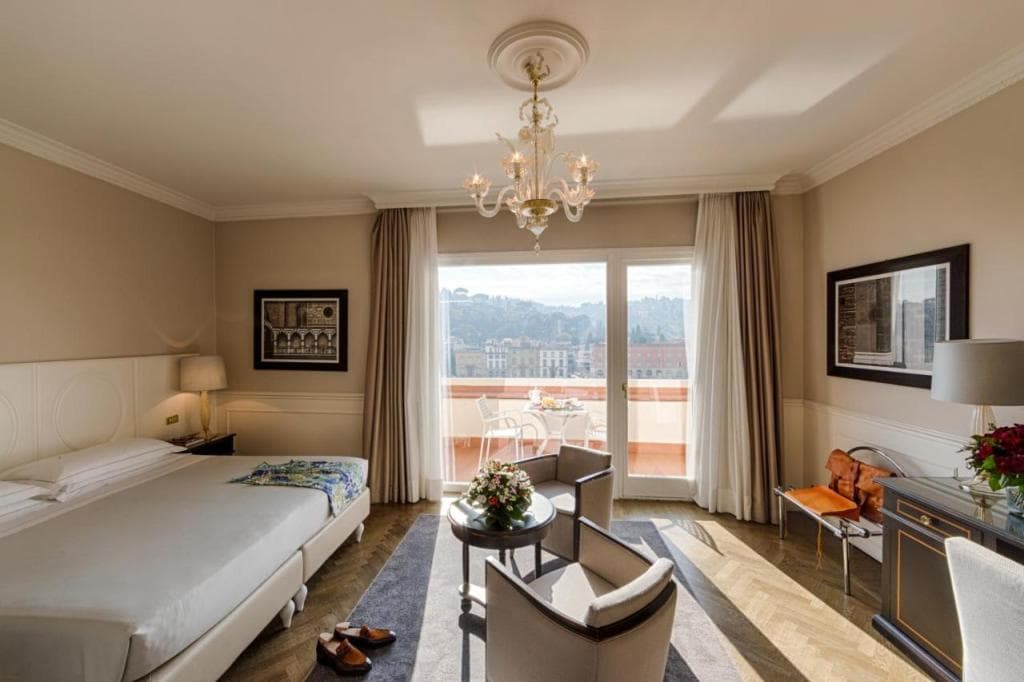
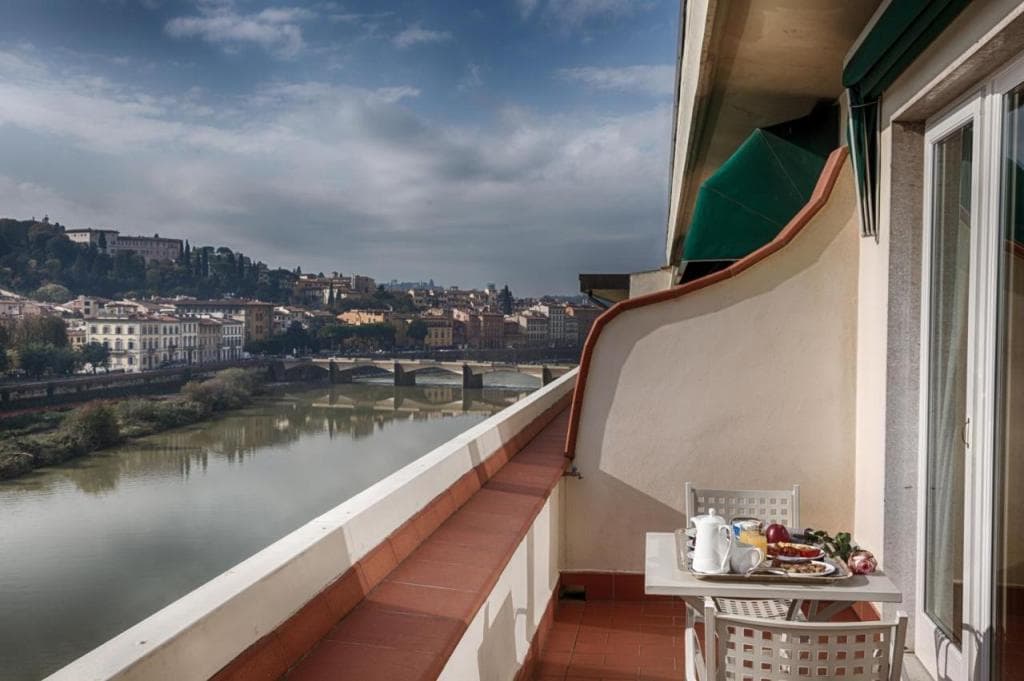
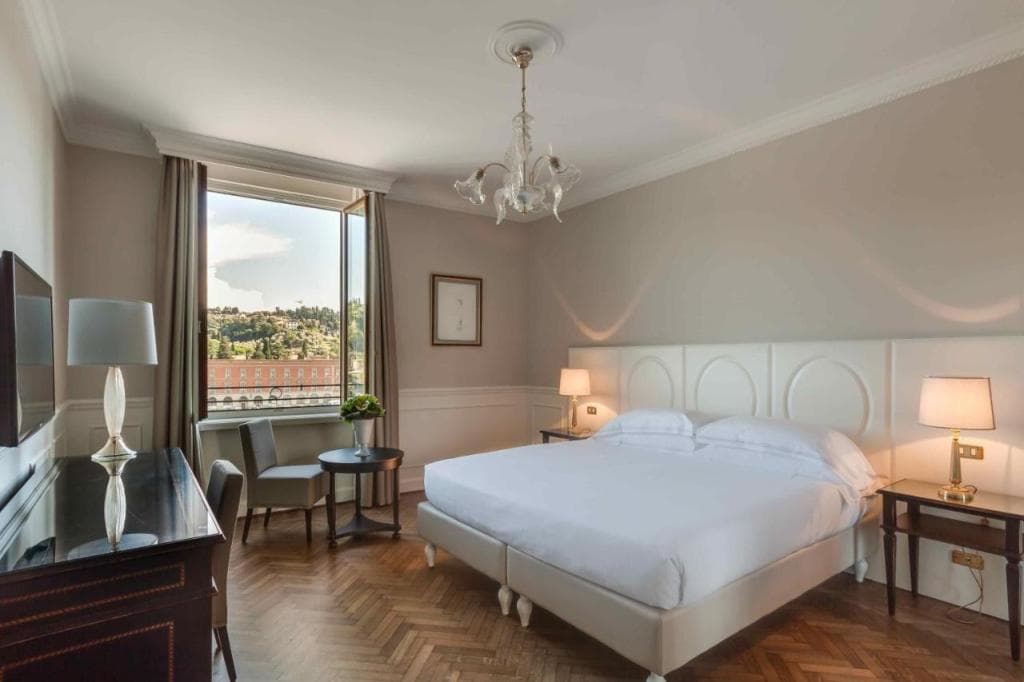
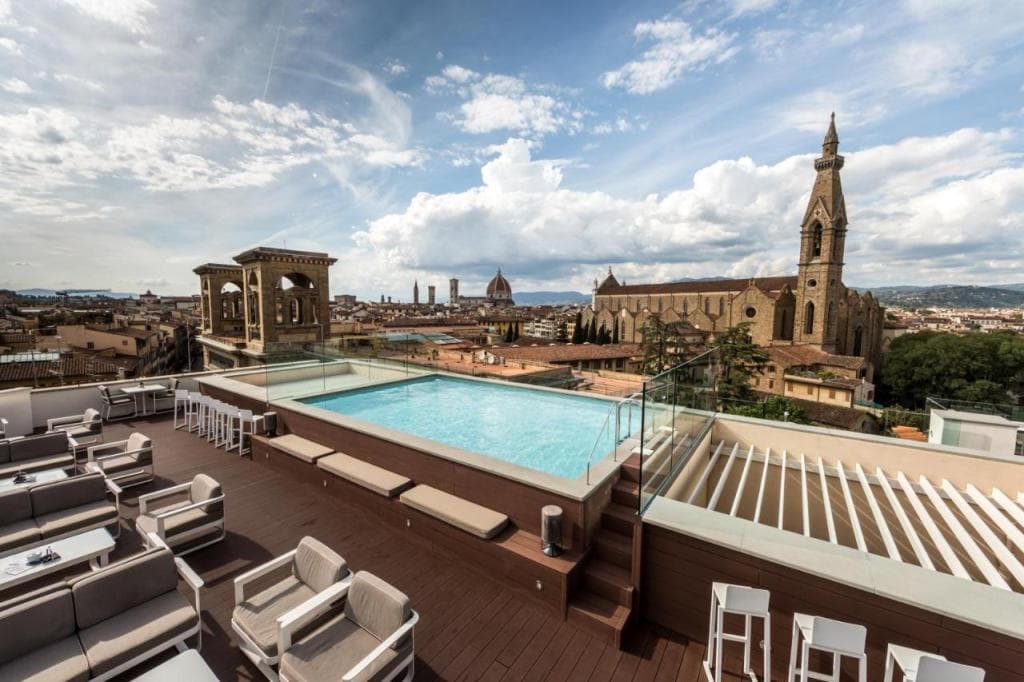
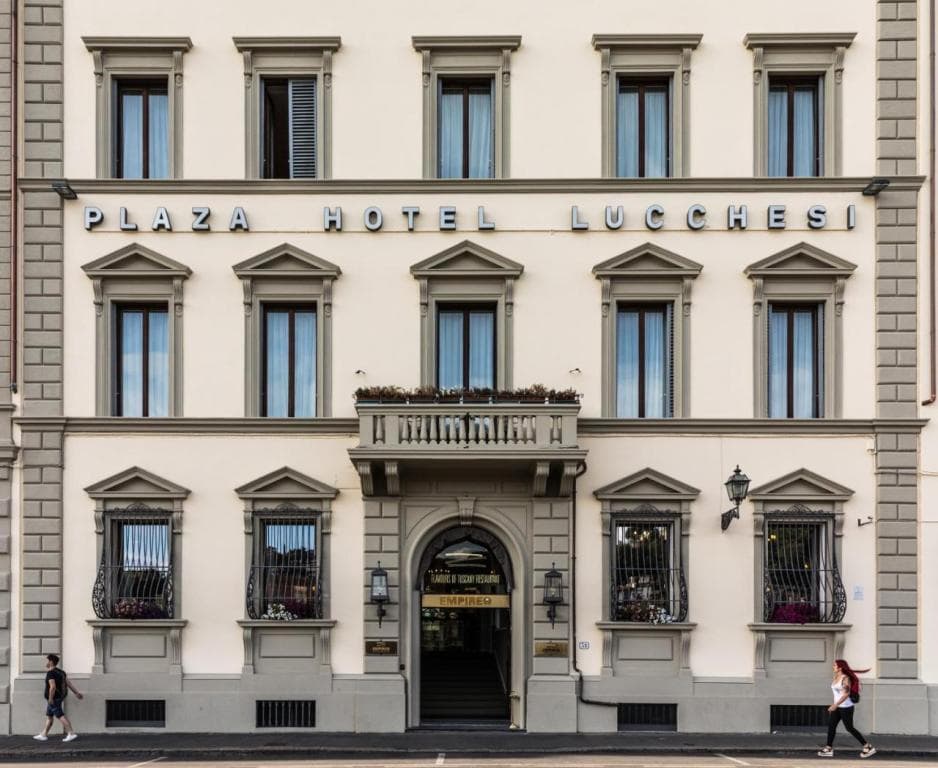 Florence101 rooms

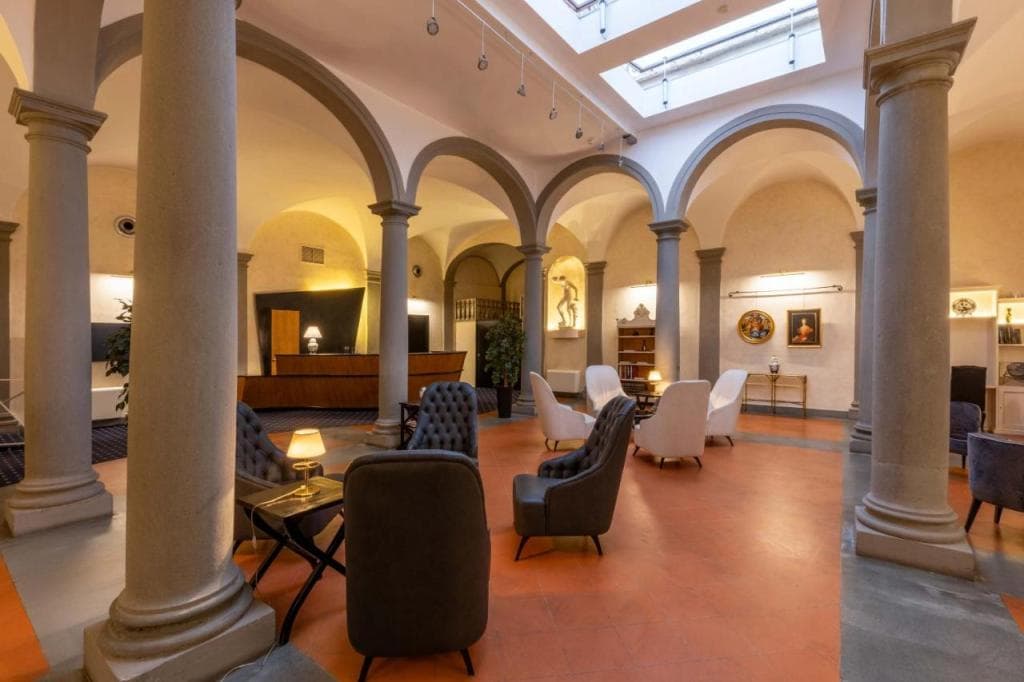


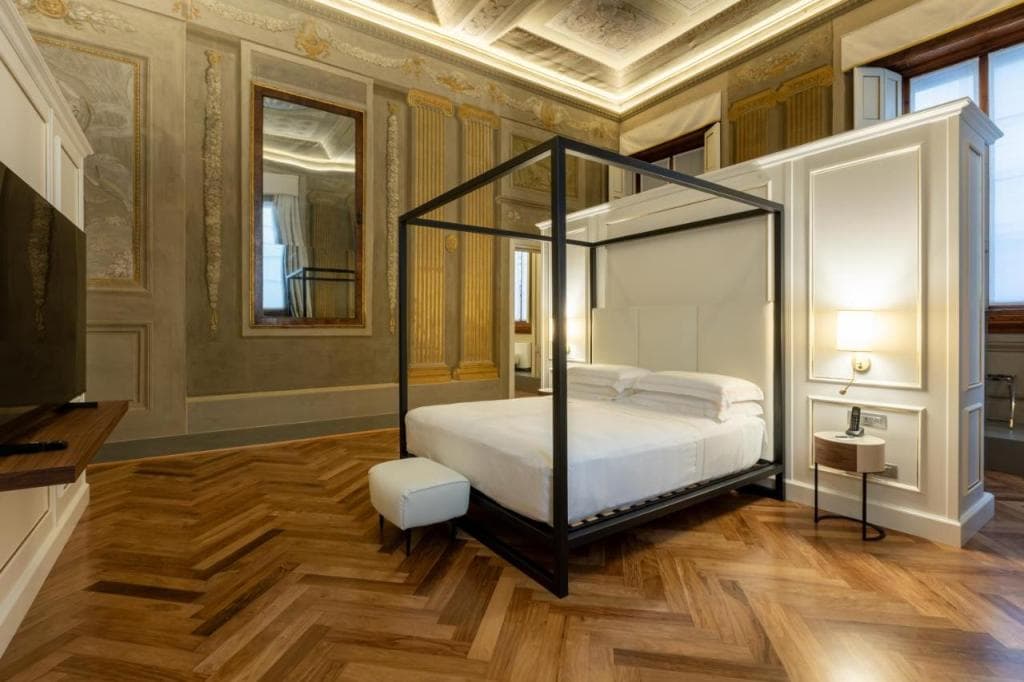
 Florence15 rooms

 Florence71 rooms




 Florence13 rooms


 Florence41 rooms
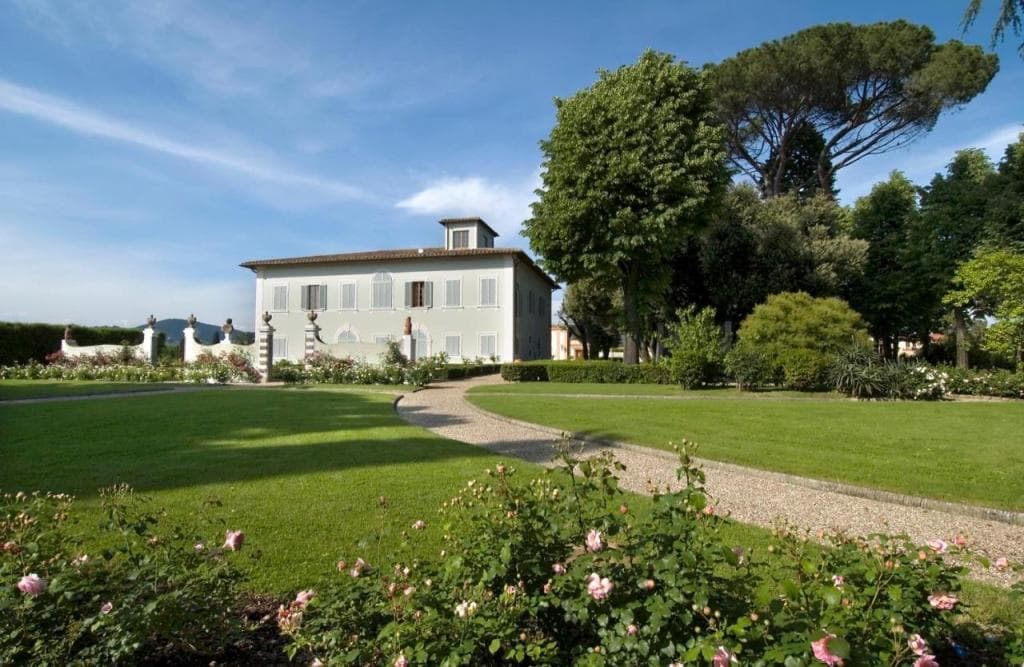
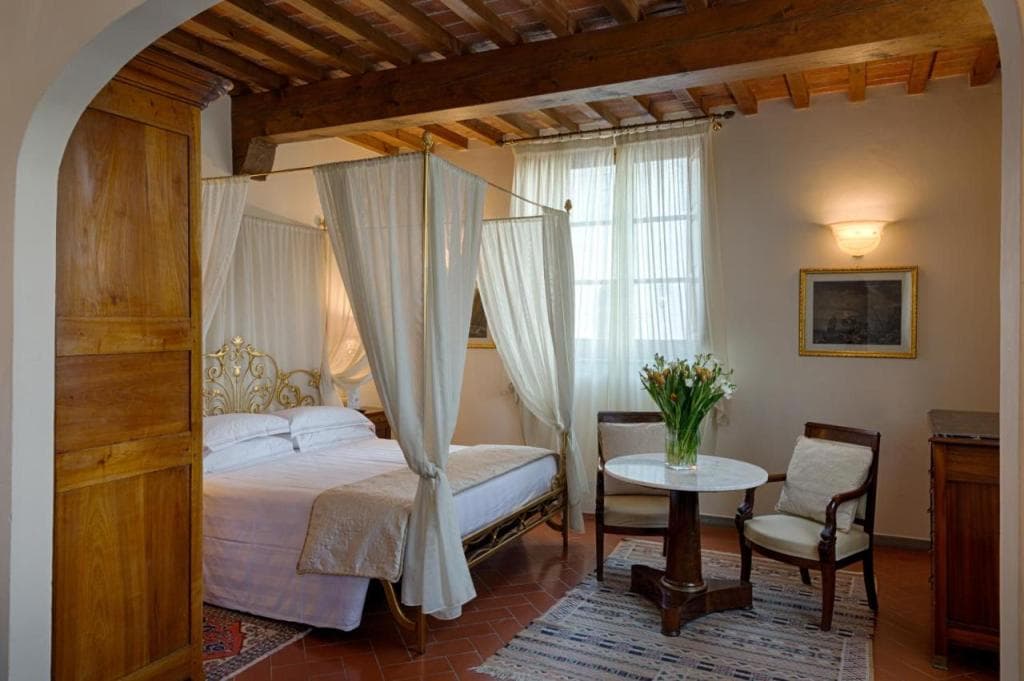
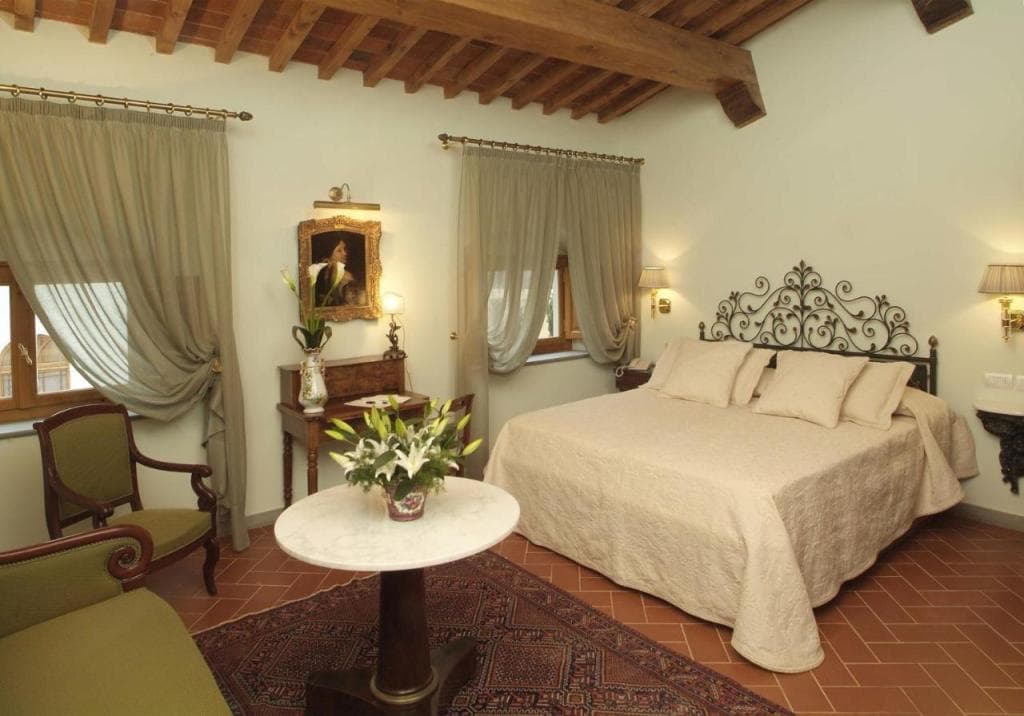 Florence88 rooms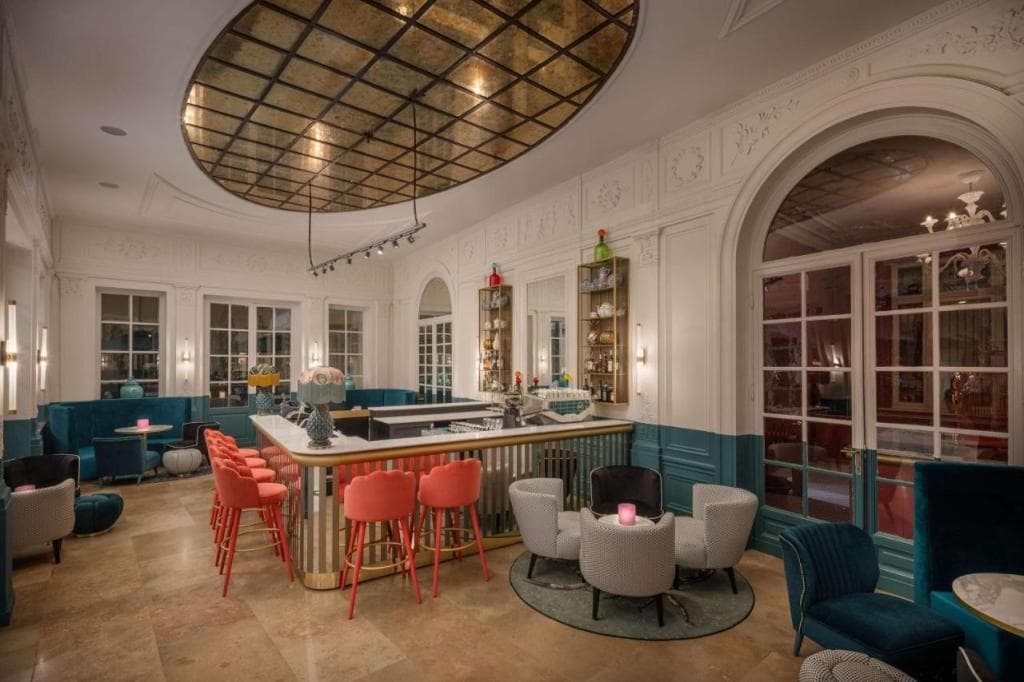

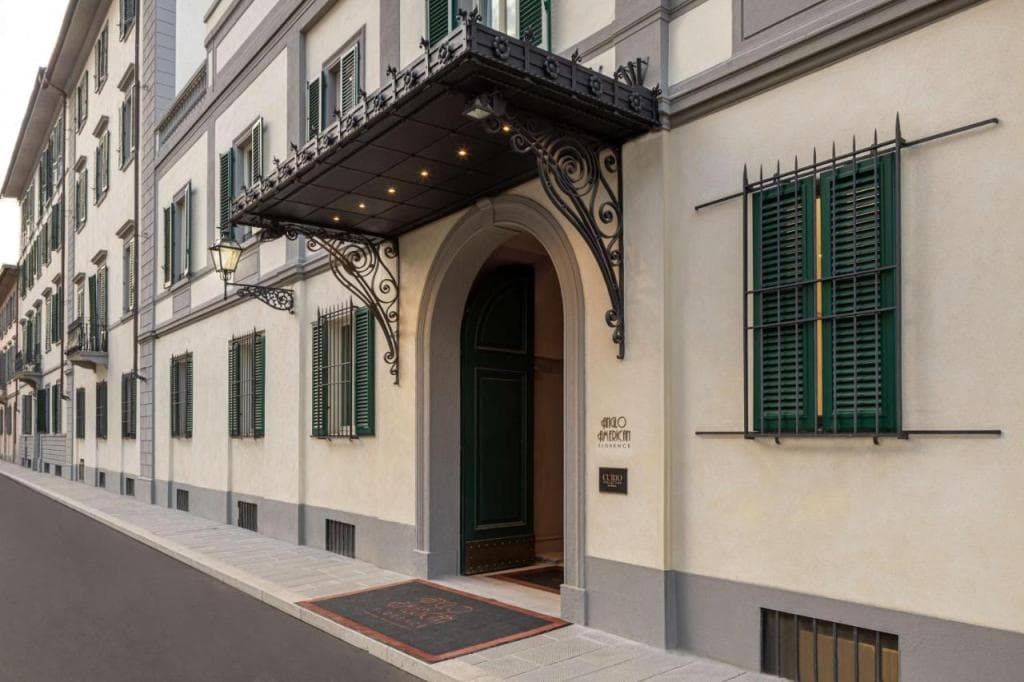

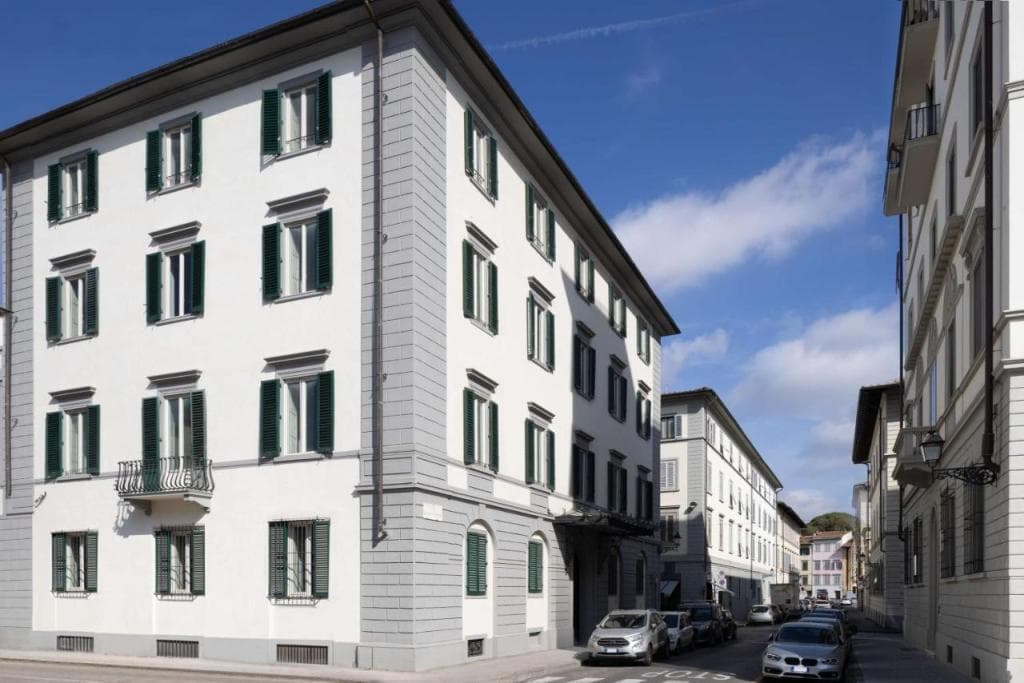


 Florence112 rooms


 Florence Historic Center, Santa Croce25 rooms
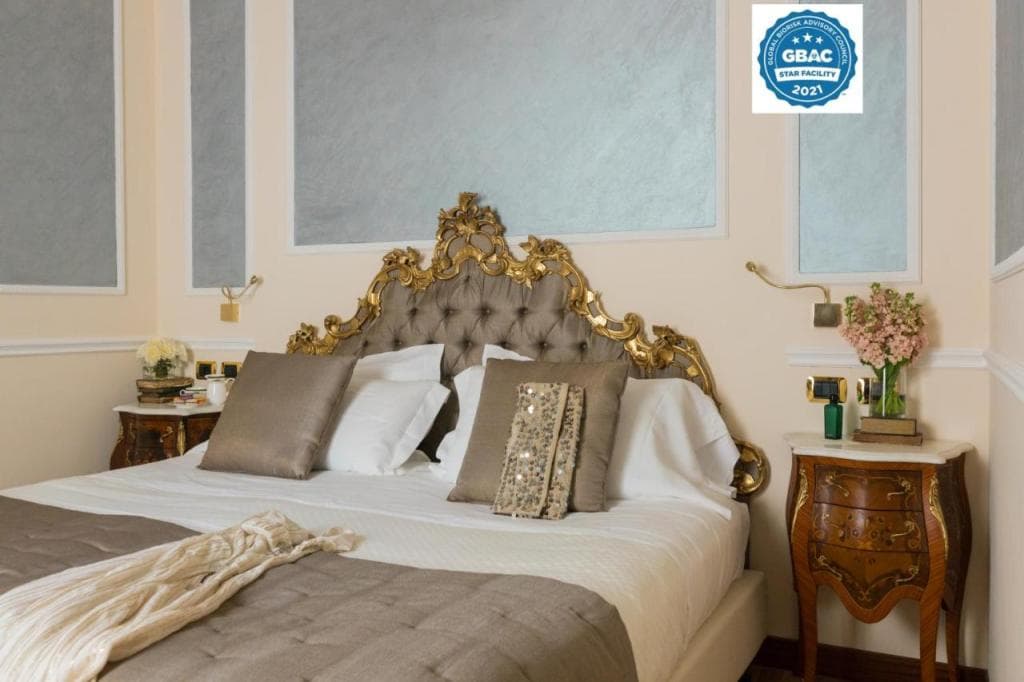
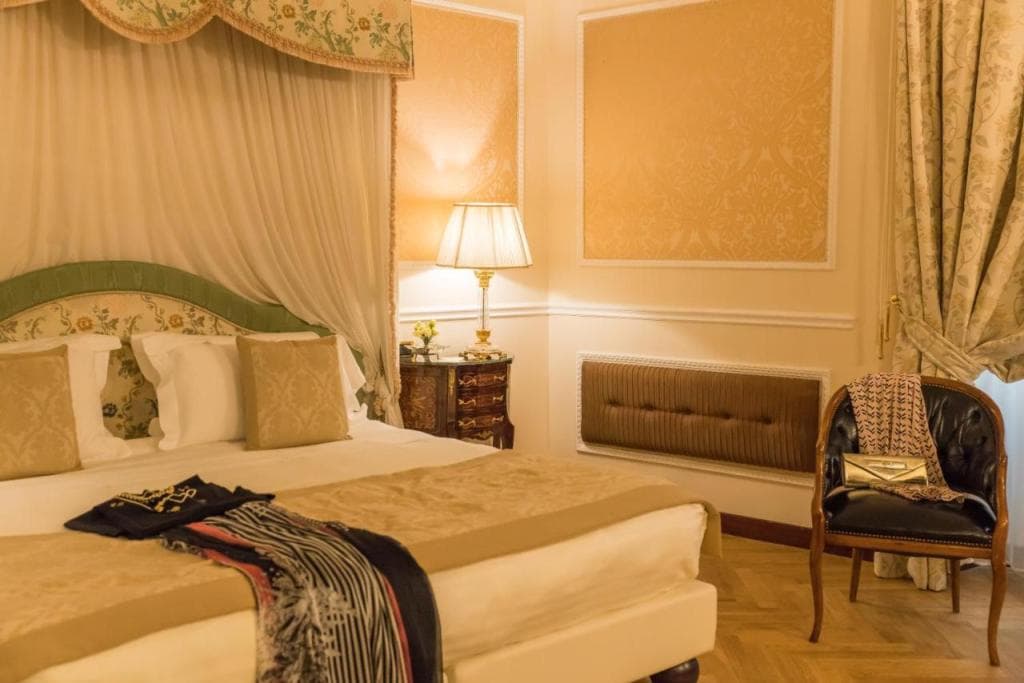
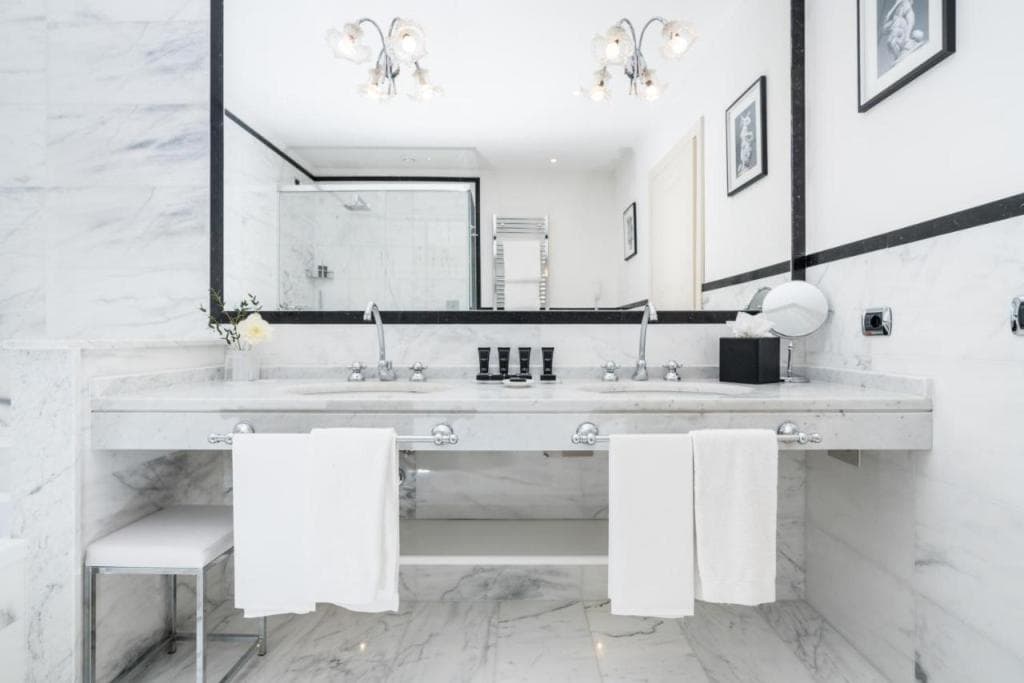
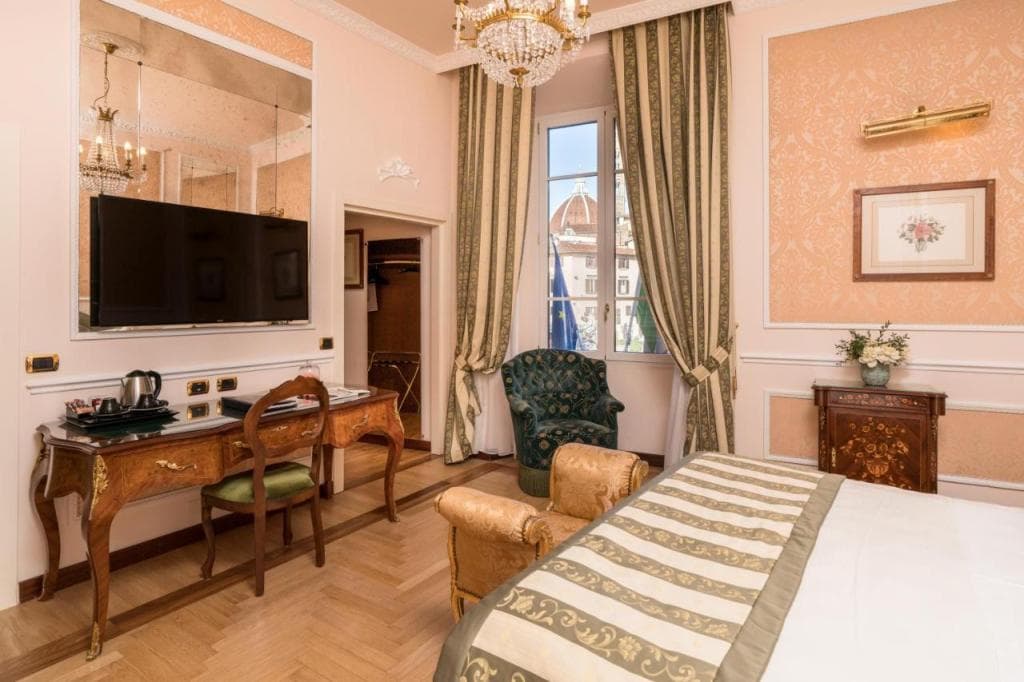
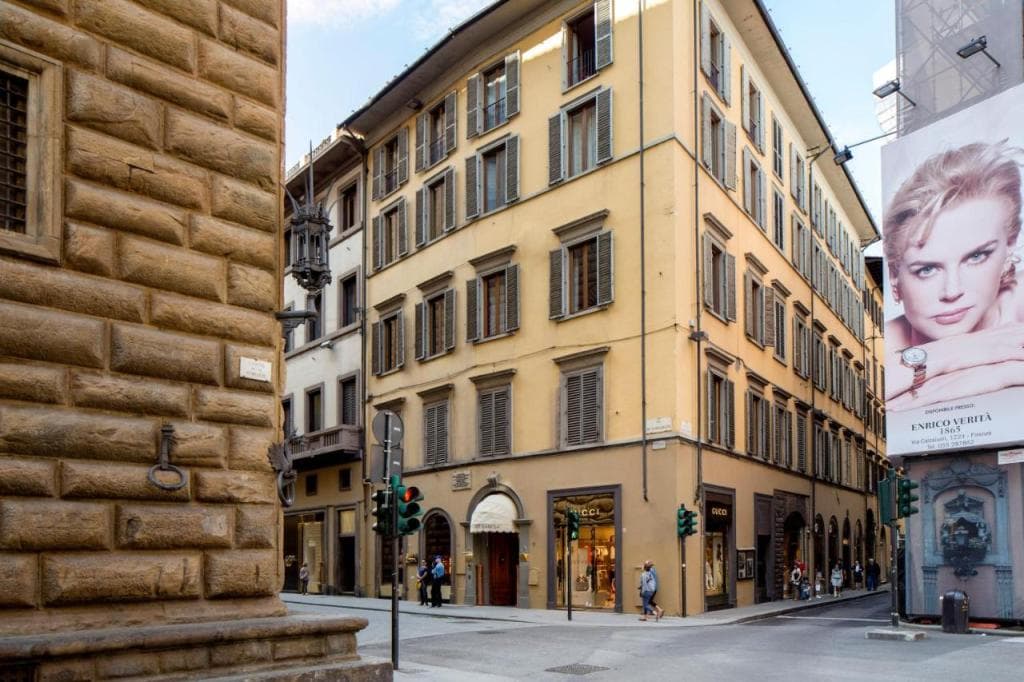
Palazzo Firenze by Baglioni Hotels & Resorts is an exclusive 5-star hotel located in the historic heart of Florence, just a short walk from the Basilica of Santa Croce and the Duomo. Set within an ele


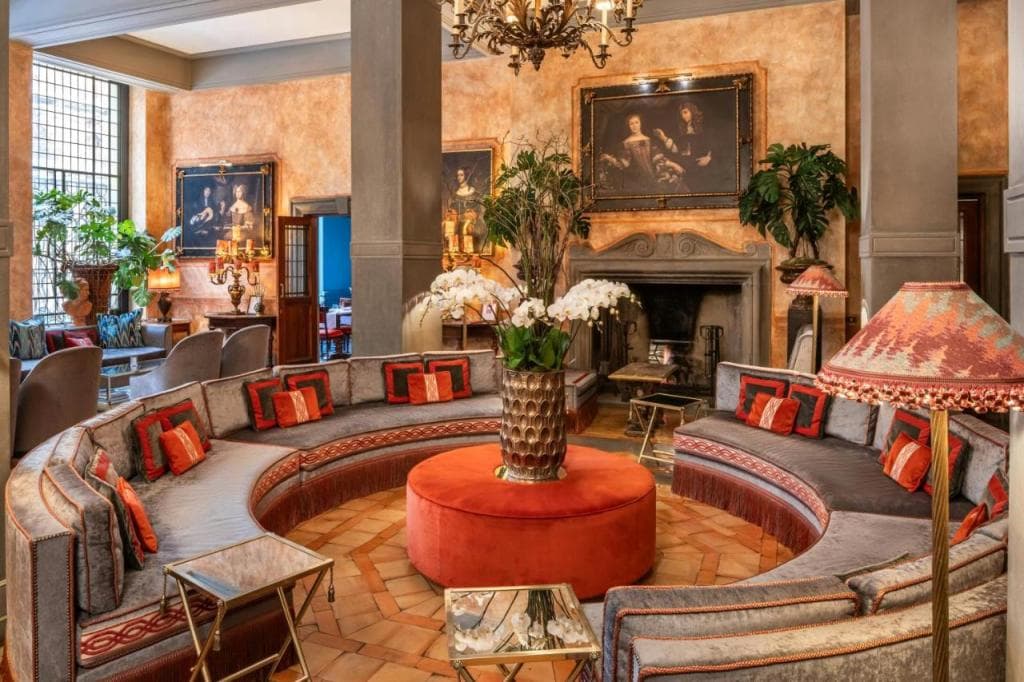

 Florence Historic Center, Santa Maria Novella, Tornabuoni89 rooms


 Campo Di Marte83 rooms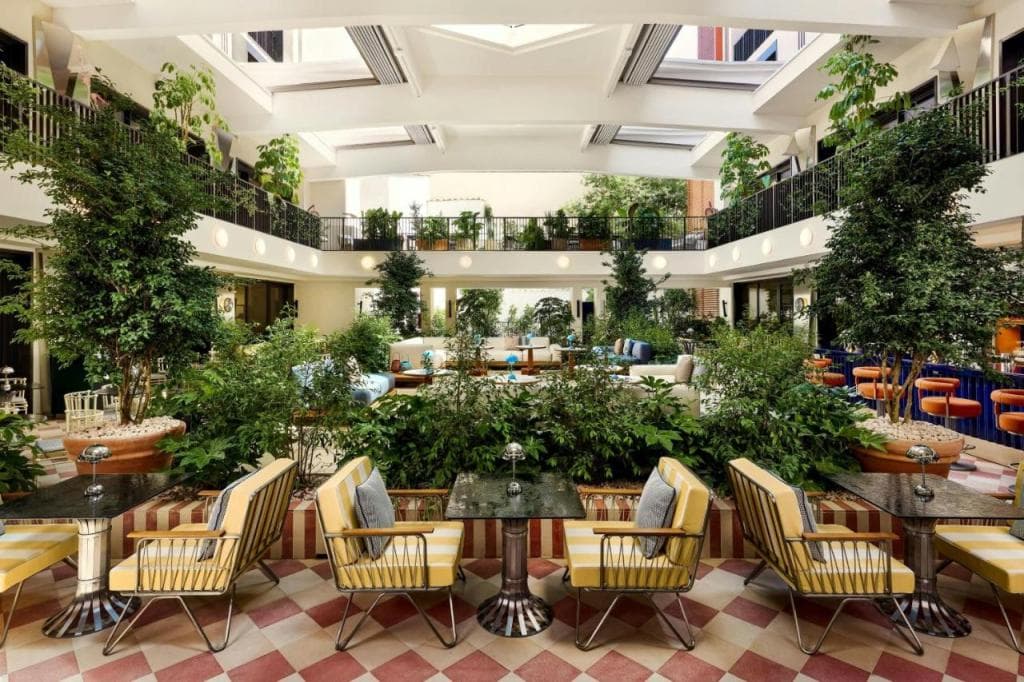


 Florence Historic Center, San Lorenzo, Santa Maria Novella121 rooms


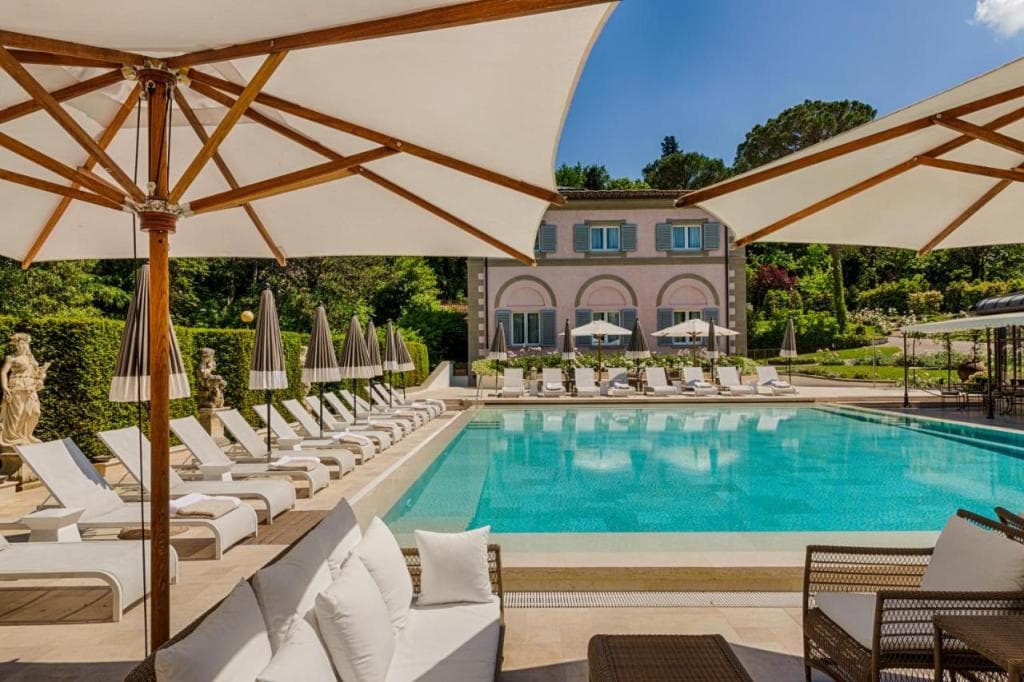 Palazzo Pitti, Piazzale Michelangelo42 rooms


 Florence Historic Center, Santa Maria Novella99 rooms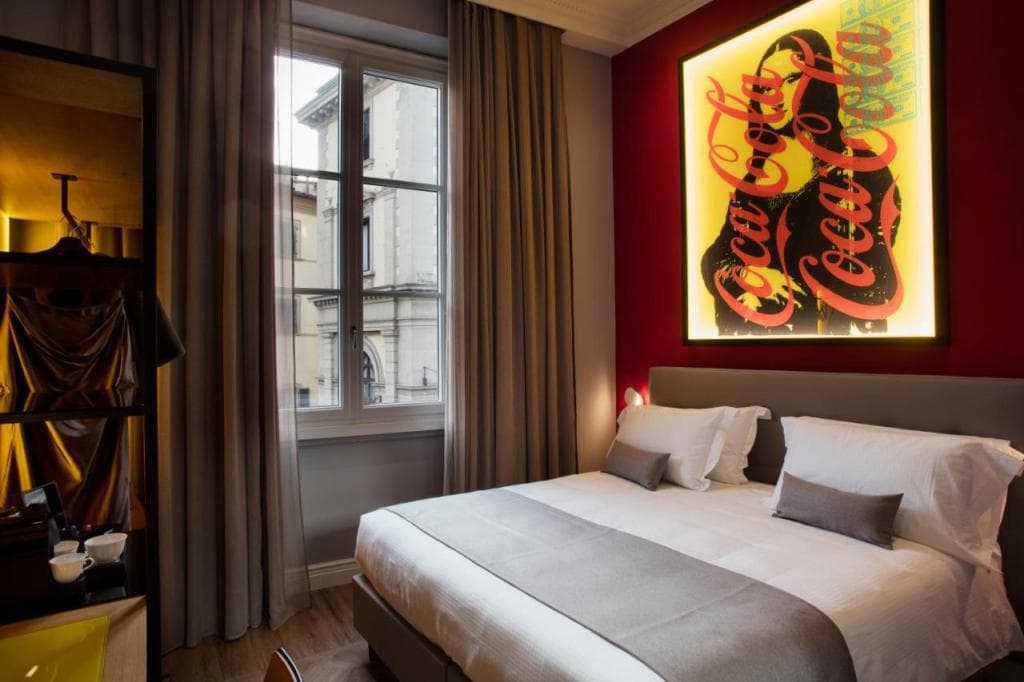
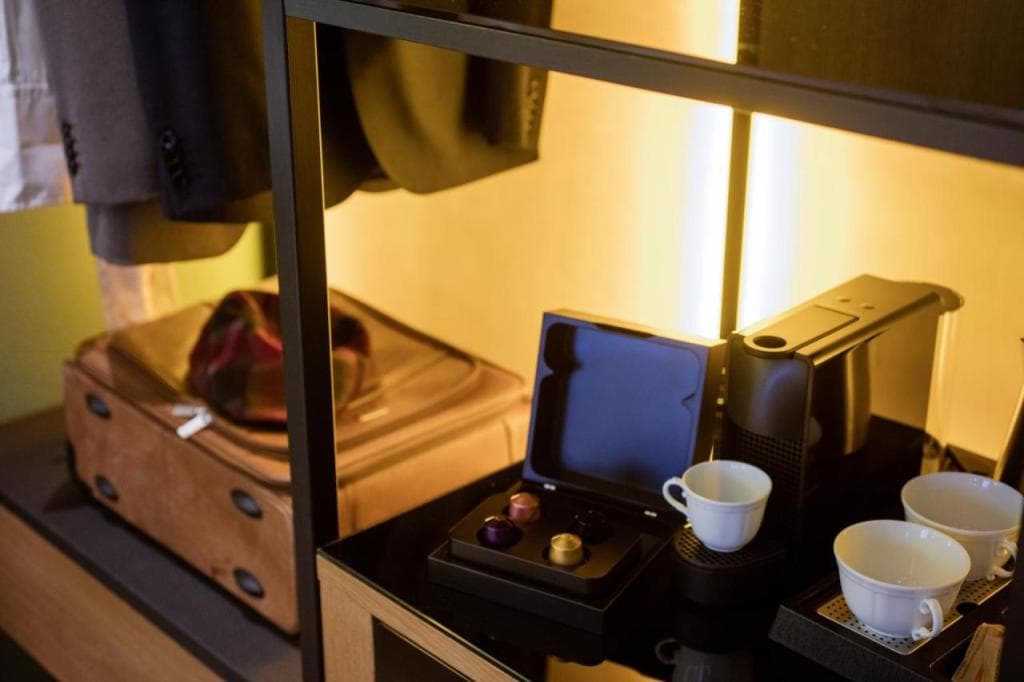
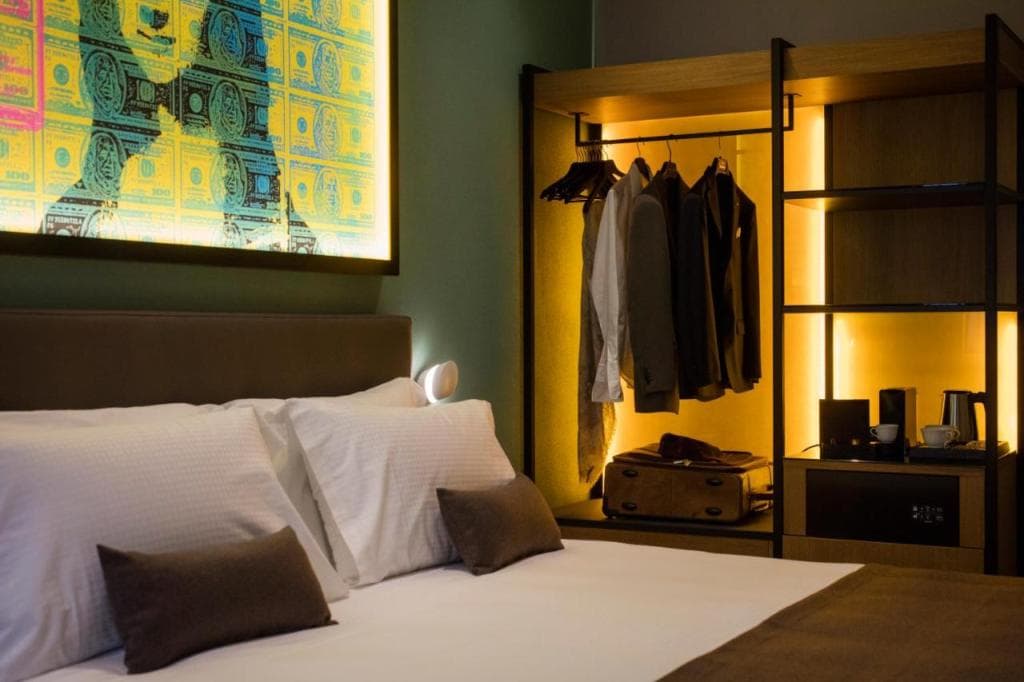
 Florence23 rooms
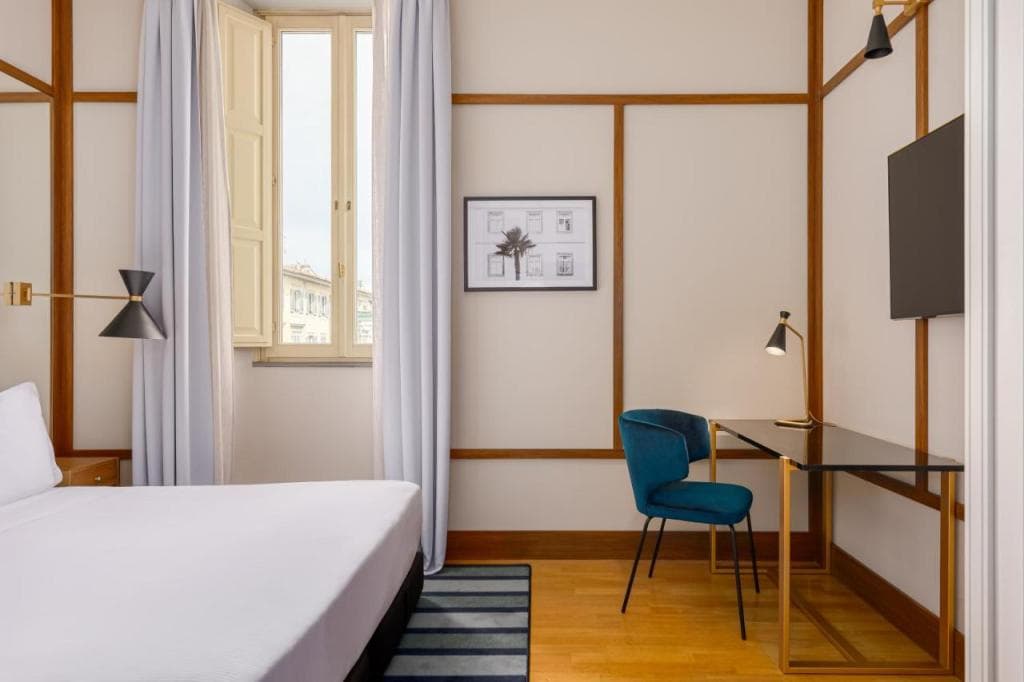 Florence51 rooms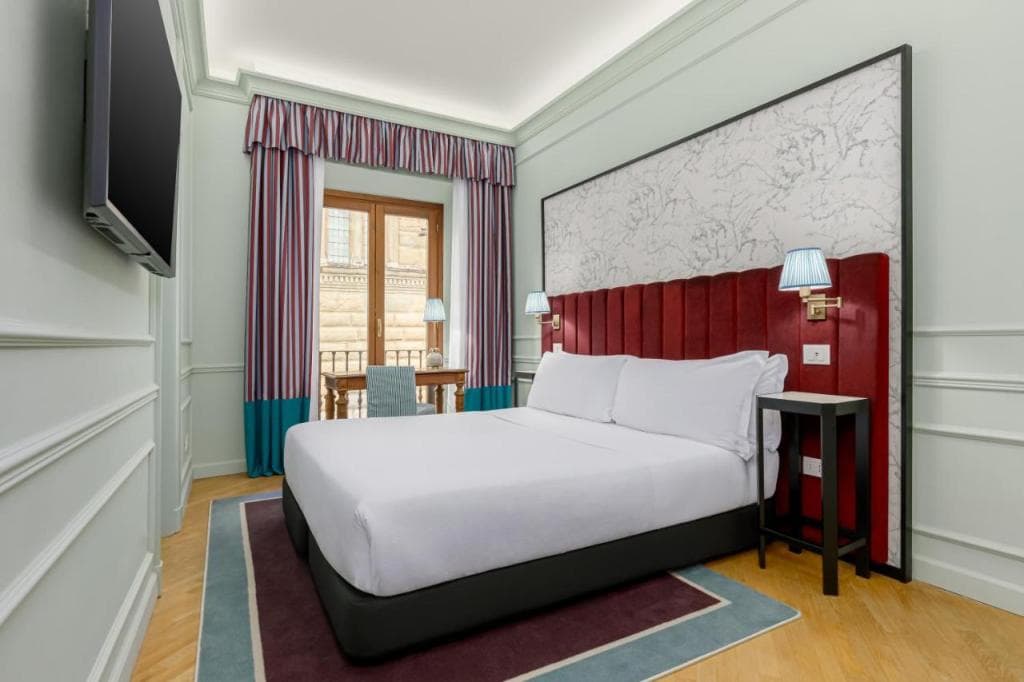
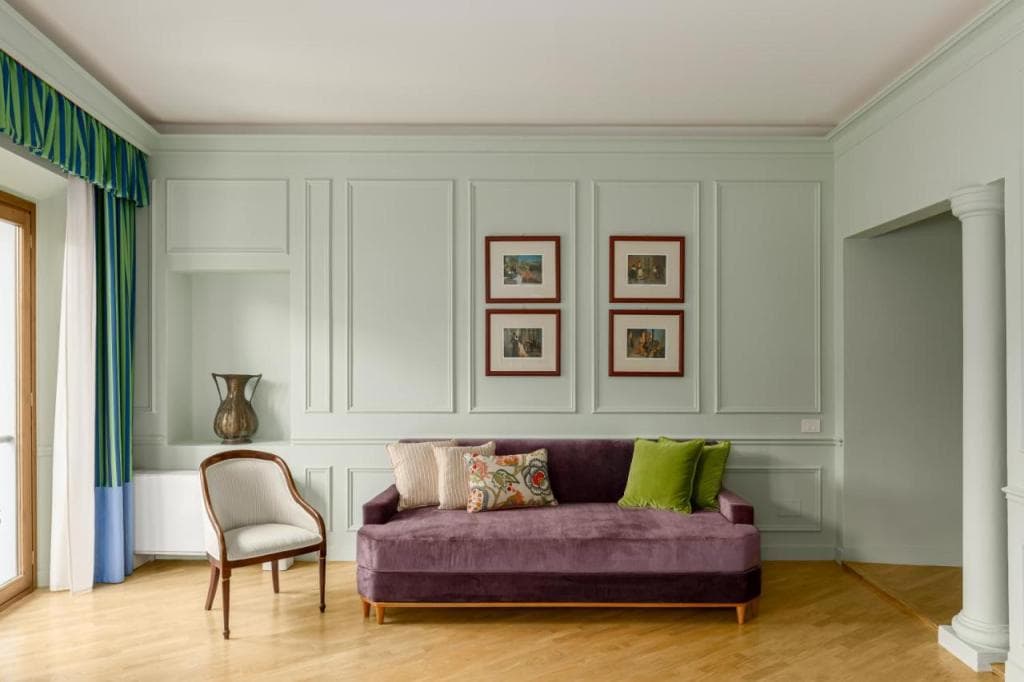
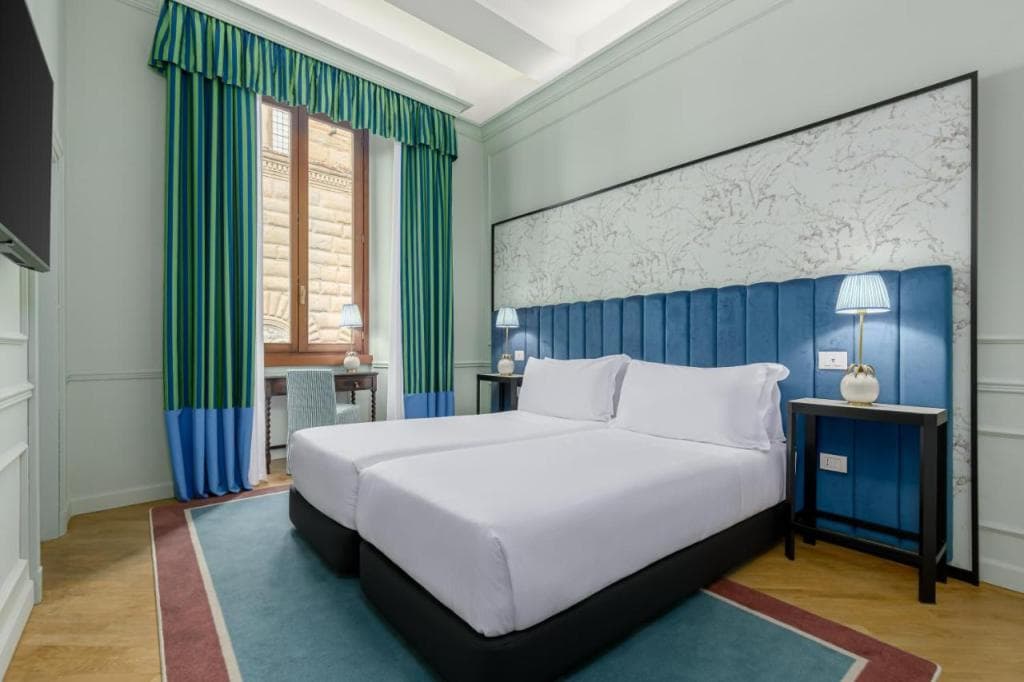
 Florence22 rooms



 Florence17 rooms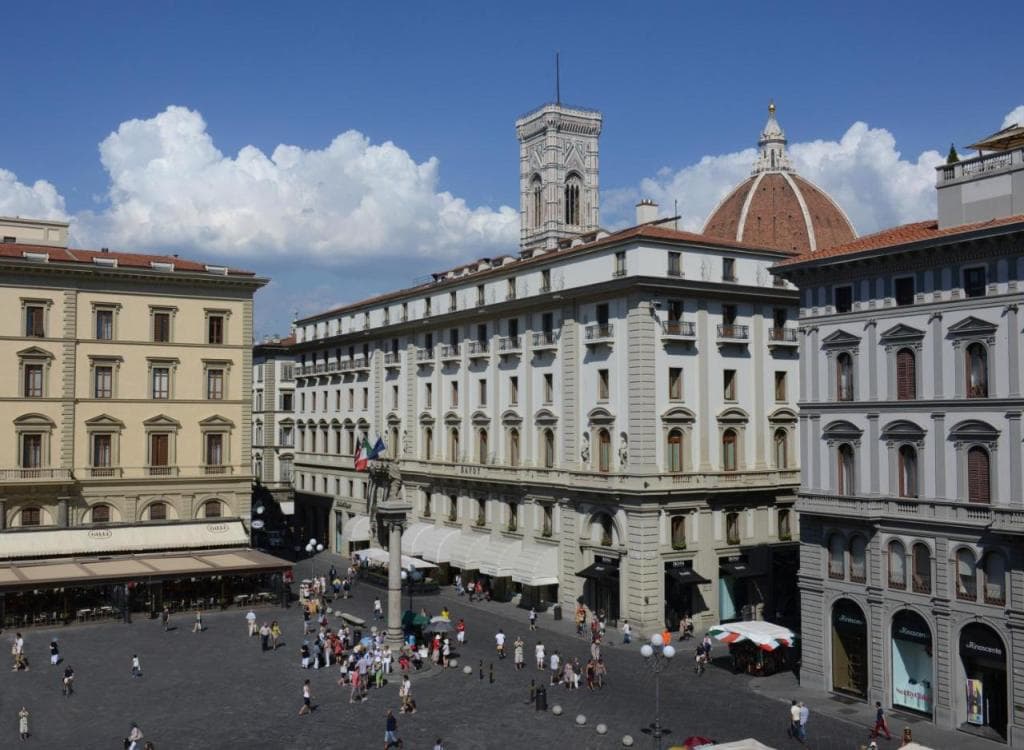


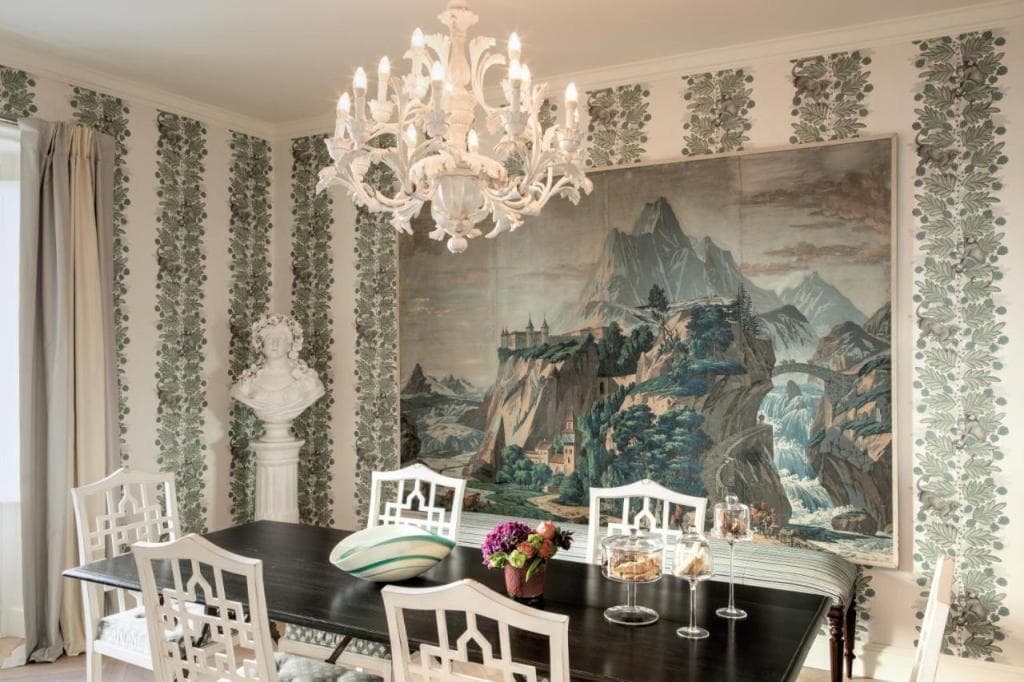

 Duomo, Florence Historic Center, Santa Maria Novella80 rooms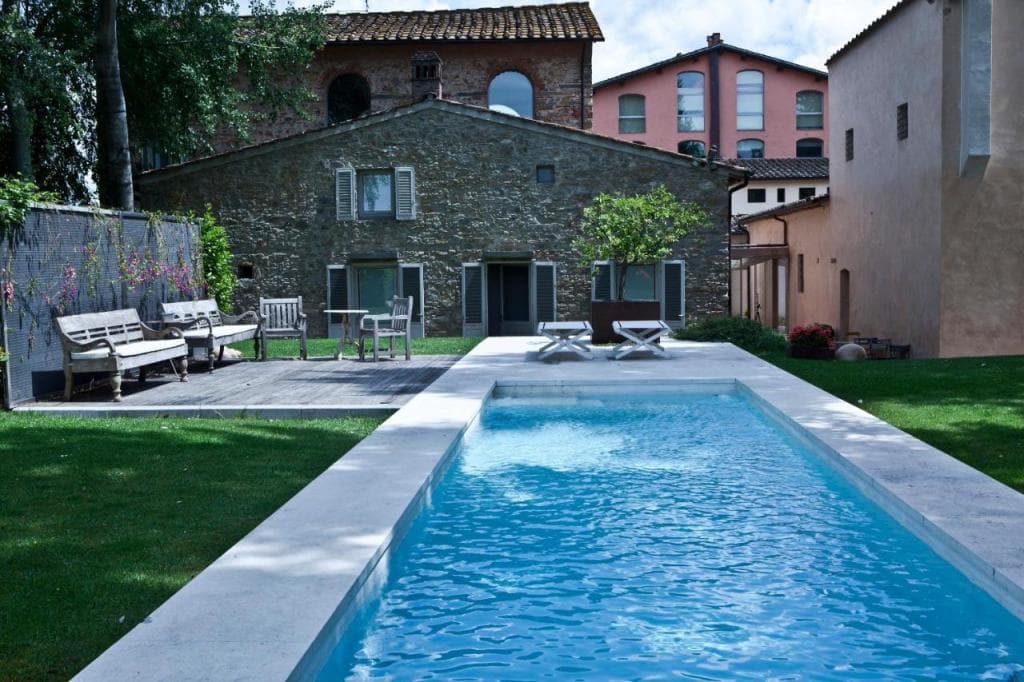
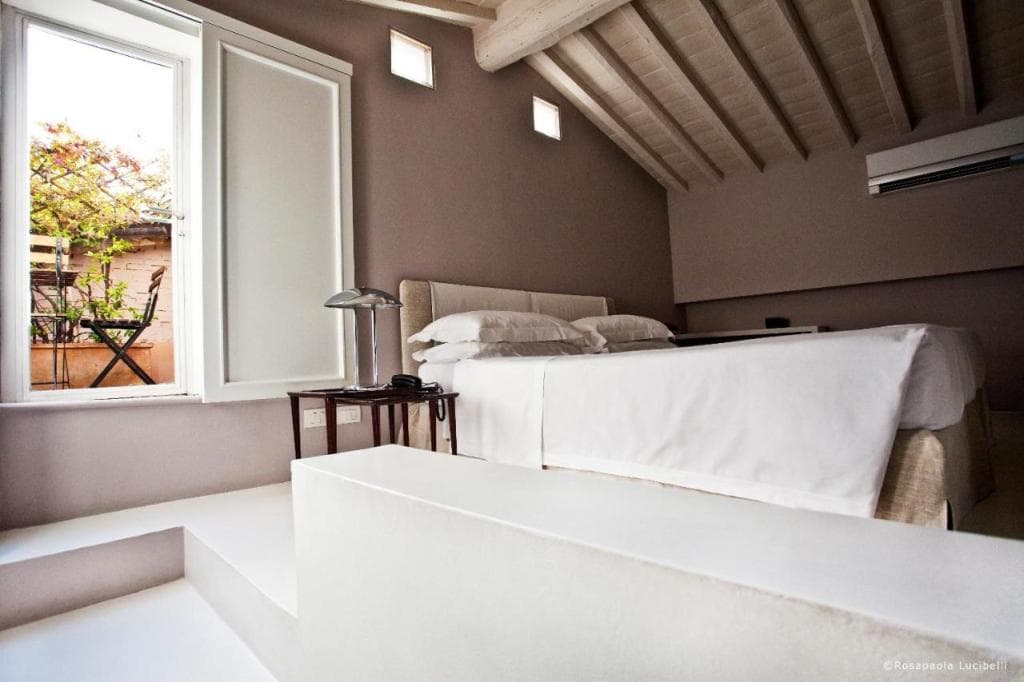
 Florence12 rooms




 Florence Historic Center, Uffizi35 rooms




 Florence11 rooms
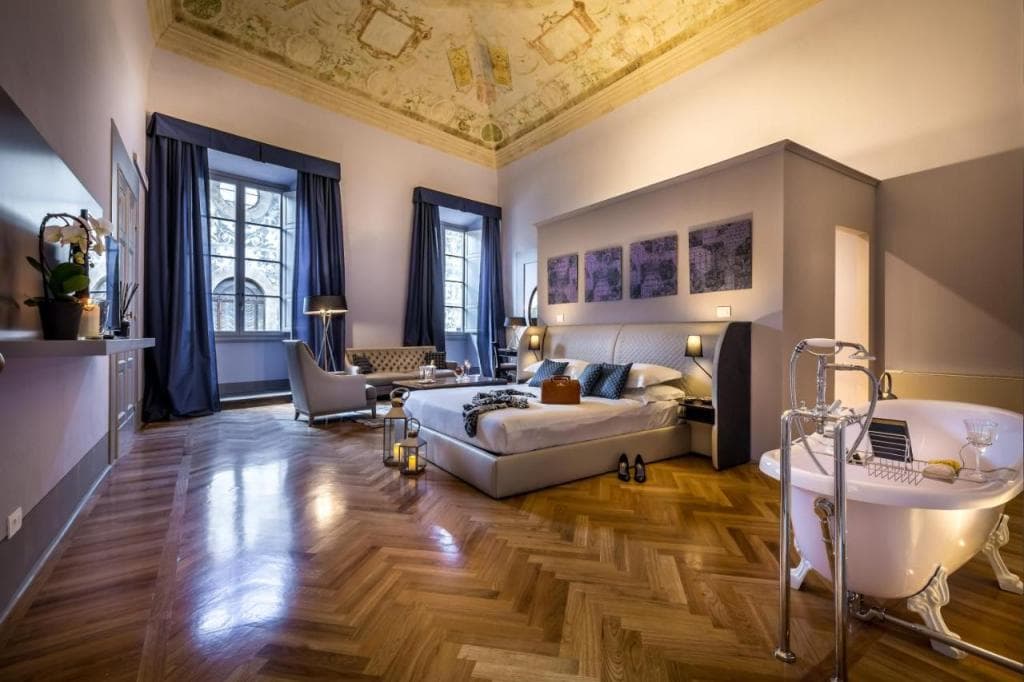




 Florence15 rooms
Results 1 - 25
Florence combines Tuscan elegance with a discreet yet welcoming queer culture. Italian hospitality is personal here: small family-run hotels, converted convents and boutique residences where staff greet same-sex couples with the same courtesy extended to any guest. The compact historic centre, a UNESCO World Heritage site, means most inclusive addresses sit within easy reach of the Duomo, Santa Croce and the Ponte Vecchio.
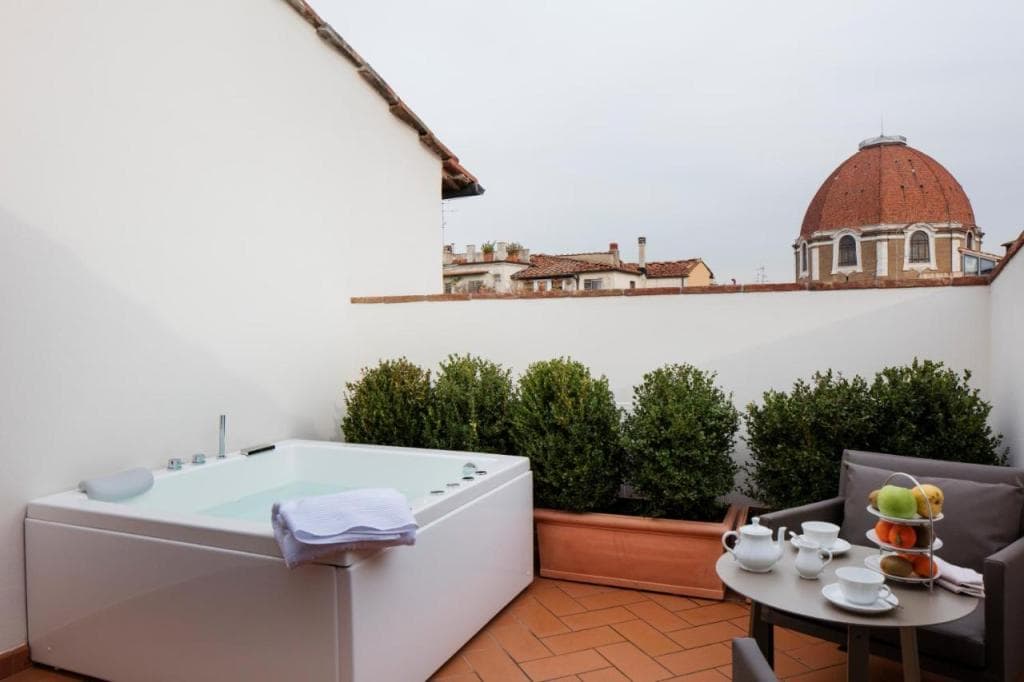
Travellers will find options across every budget, from design hotels near Santa Maria Novella station to romantic residenze d'epoca overlooking the Arno. Rooftop terraces with views of Brunelleschi's dome, honesty bars stocked with Chianti, and concierges able to book private Uffizi tours define the local standard of welcome.
Florence's queer scene is understated but lively, clustered around a handful of bars and mixed venues rather than a single gay district. The area between Piazza della Repubblica and Via de' Pucci hosts aperitivo spots popular with the community, while Crisco Club, a historic gay venue near Santa Croce, remains a landmark for late-night dancing. Oltrarno, across the river, draws a younger, artsy crowd to wine bars along Via Santo Spirito and Piazza Santo Spirito.
During summer, the riverside terraces and outdoor cinema nights become informal meeting points. Ireos Queer Community, the city's LGBTQ+ association, organises cultural events, film screenings and the annual Florence Queer Festival each autumn.
Few cities concentrate so much art in so few square kilometres. The Uffizi Gallery, the Accademia with Michelangelo's David, the Bargello's sculpture collection and the Medici Chapels can fill several days on their own. Climbing the 463 steps of the Duomo rewards visitors with a panorama stretching to the Tuscan hills, while Palazzo Pitti and the Boboli Gardens offer a slower, more contemplative afternoon.
Beyond the monuments, Florence is a city of craft and flavour. Leather workshops in Santa Croce, perfumers tracing their recipes to Dominican friars, Sant'Ambrogio market for Tuscan produce, and trattorias serving bistecca alla fiorentina and ribollita shape daily life. A short train ride reaches Siena, San Gimignano and the vineyards of Chianti.
Spring and early autumn bring the gentlest light and manageable crowds, ideal for long walks between galleries and hillside viewpoints like Piazzale Michelangelo. June hosts Firenze Pride, a week of debates, parties and a parade that crosses the historic centre. Summer is hot and busy, while winter reveals a quieter, more local Florence, with museums nearly to oneself and warming Tuscan cuisine at its seasonal best.