

 Dalt Vila, Ibiza City Centre
 28 rooms
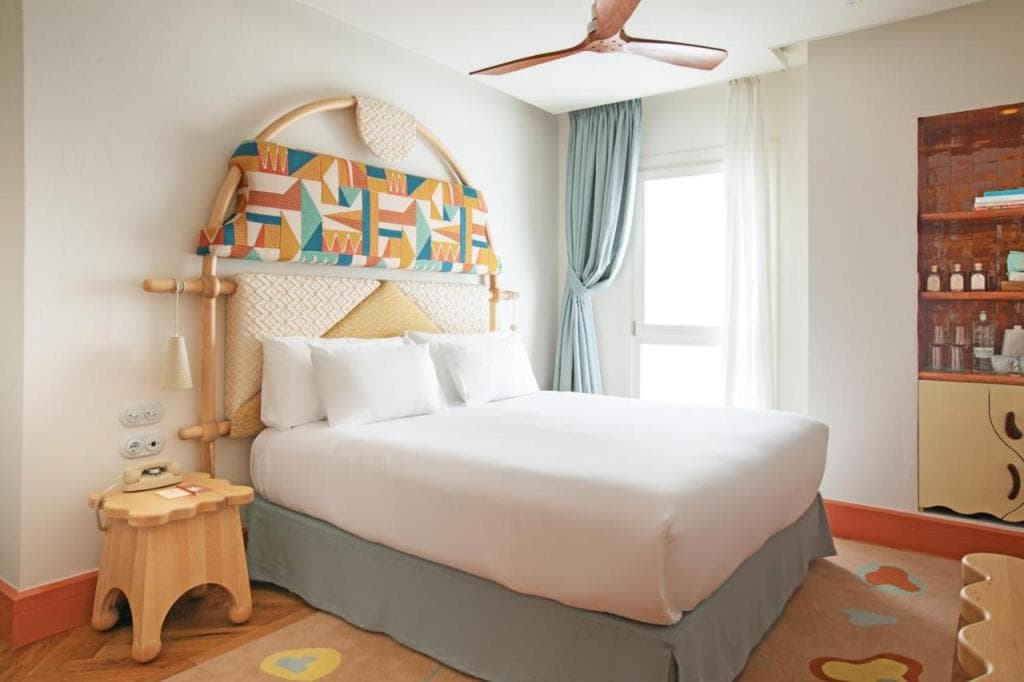
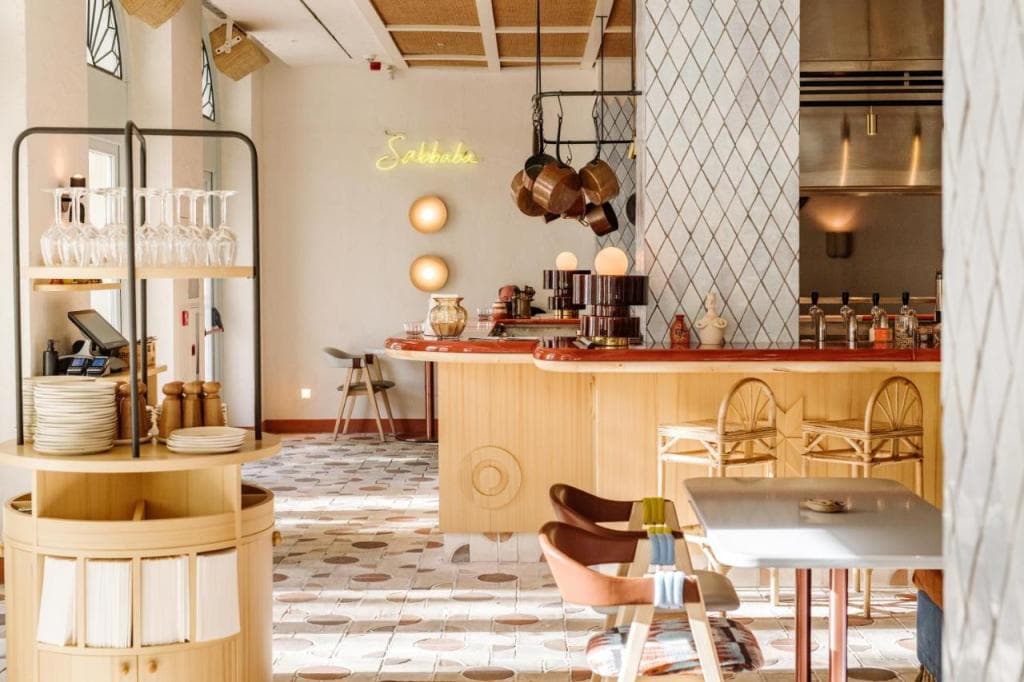
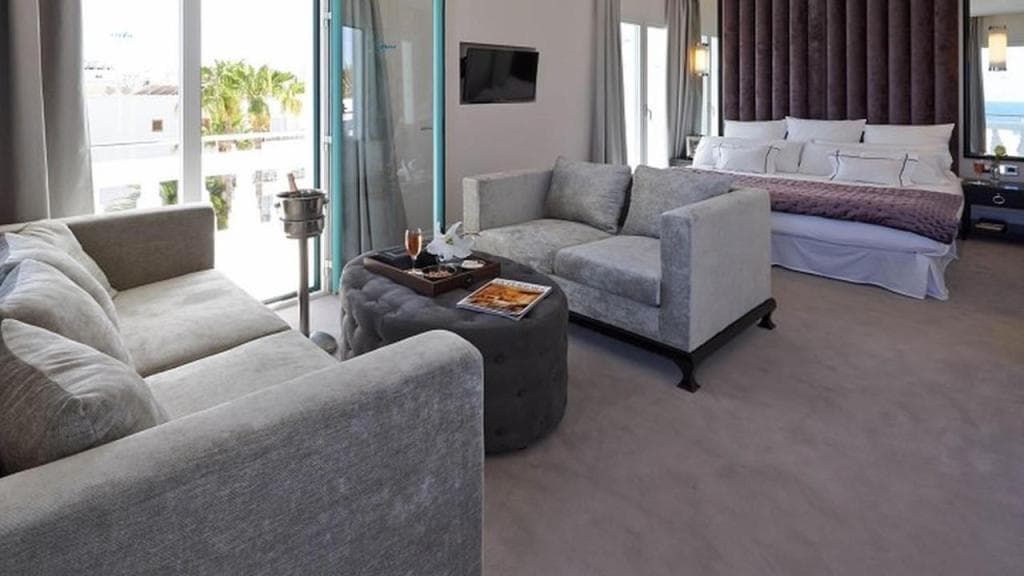
Located on Ibiza Town’s Dalt Vila Hill, this property offers fantastic views of the sea, port and town. It offers late breakfast and air-conditioned rooms. The hotel consists of three different build

 Dalt Vila, Ibiza City Centre28 rooms
Located on Ibiza Town’s Dalt Vila Hill, this property offers fantastic views of the sea, port and town. It offers late breakfast and air-conditioned rooms. The hotel consists of three different build
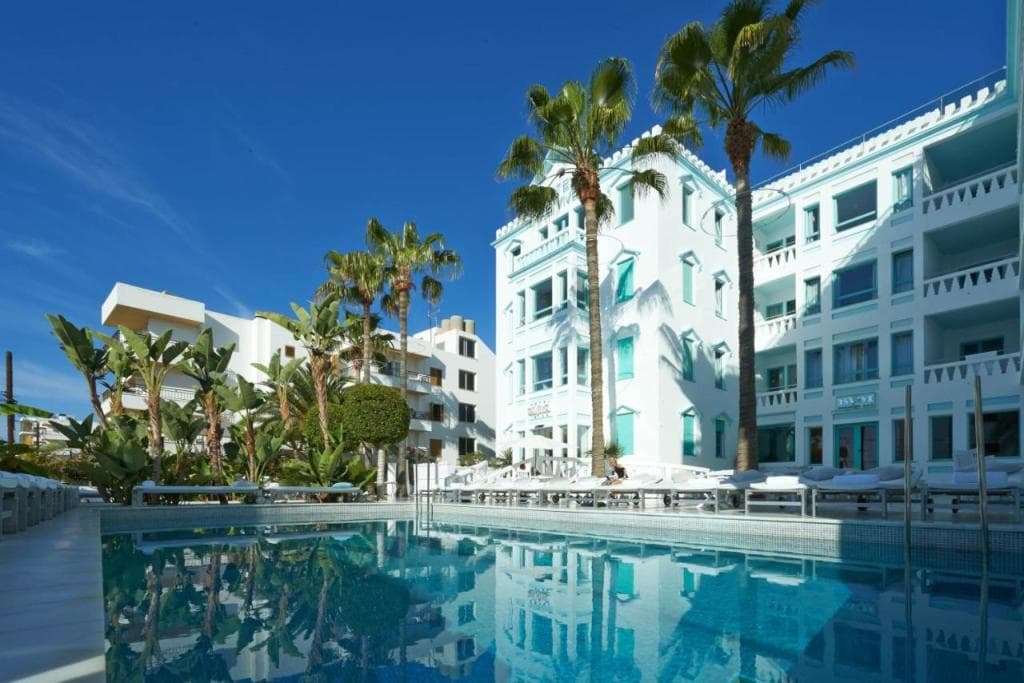
Ibiza Town57 roomsThis chic hotel, in the heart of Ibiza Town, is 328 feet from the marina. It features air-conditioned rooms with satellite TV with free Wi-Fi, and an outdoor pool. Parking is not available. Rooms at
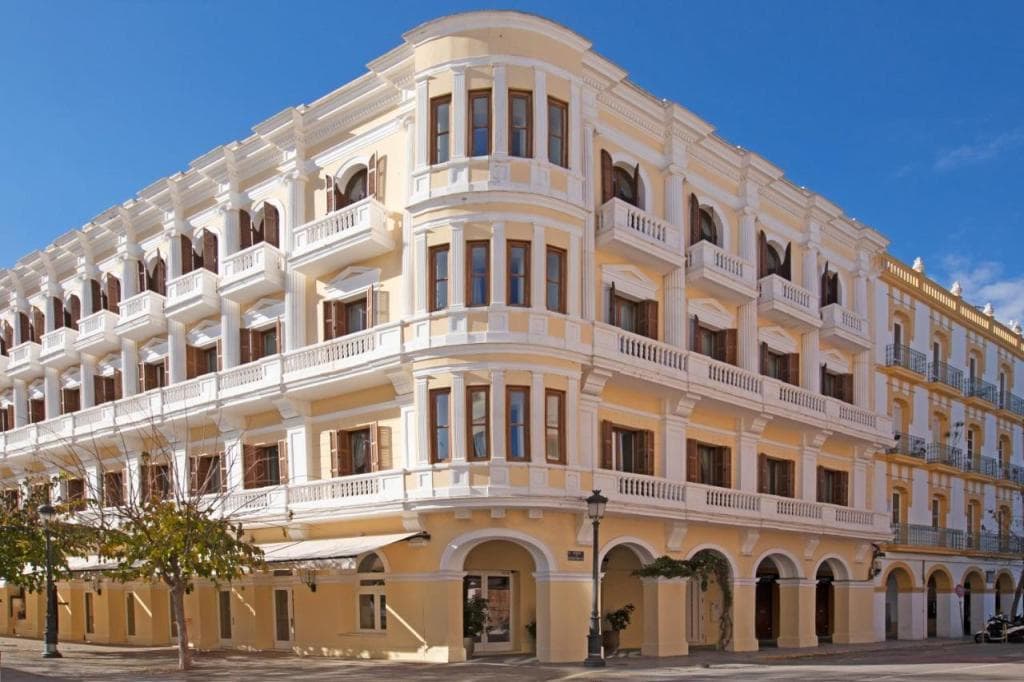
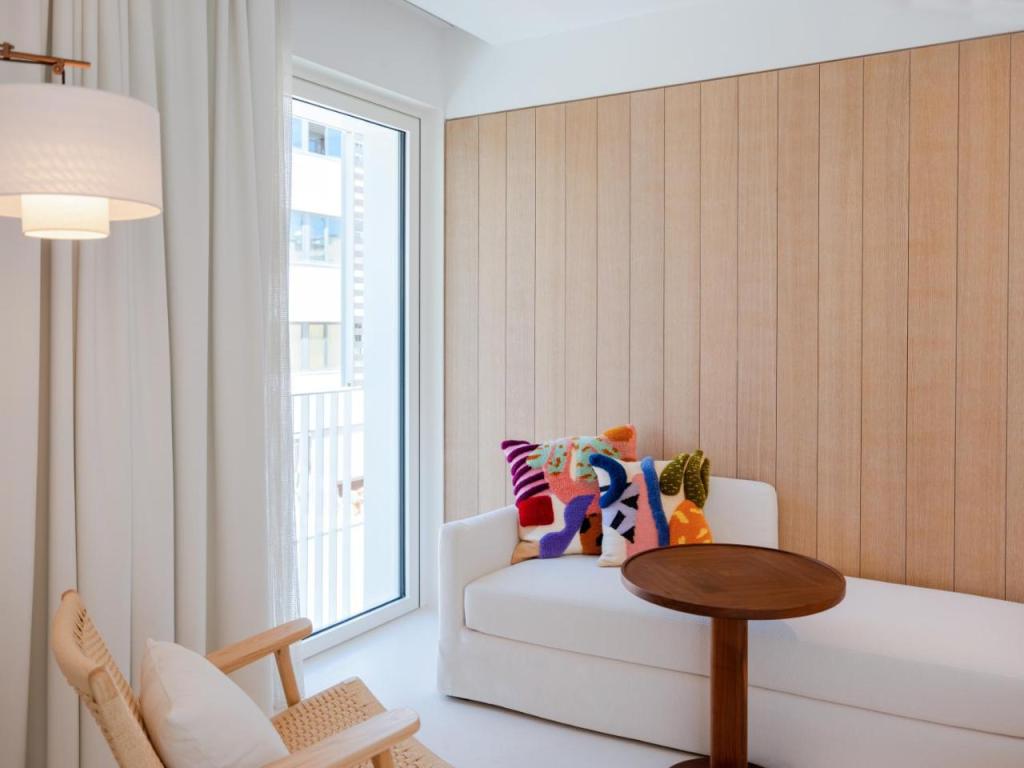
Ibiza City Centre33 roomsMontesol Experimental Ibiza is located in the heart of the historic center of Ibiza. Set in a neo-colonial building it is equipped with 33 rooms, each decorated in colonial style and by interior desig
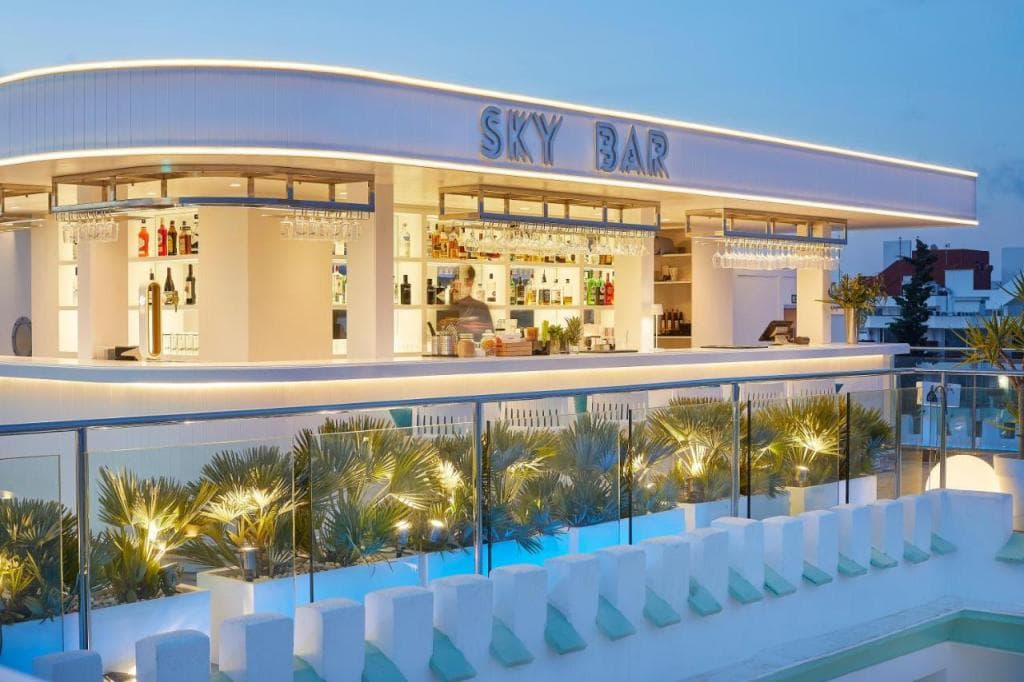
Ibiza Town53 roomsThis stylish, Art-Deco hotel is next to the beach and close to central Ibiza. It offers a fantastic outdoor pool, a nightclub and a roof terrace featuring stunning sea views. All air-conditioned room
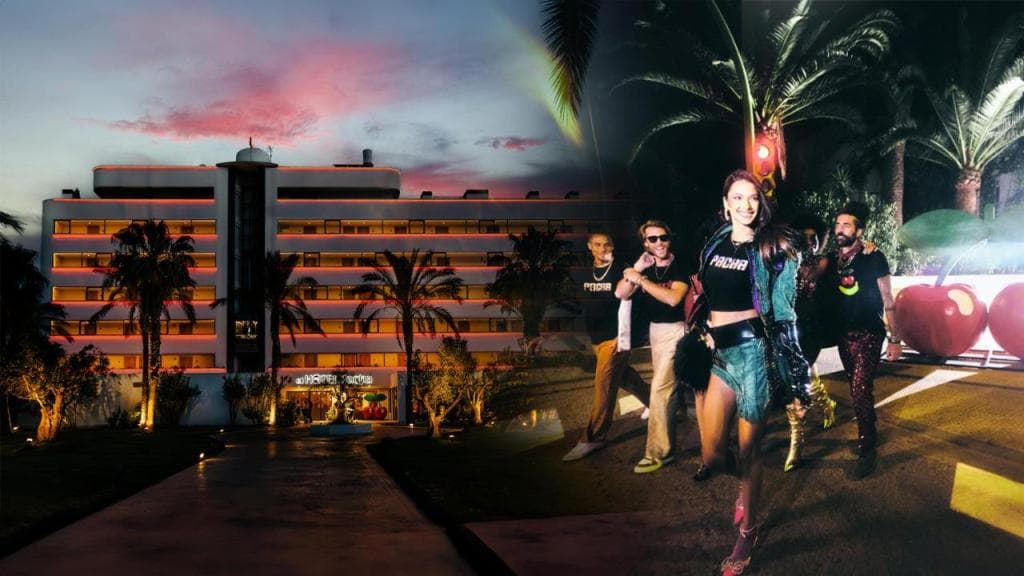
Ibiza Town34 roomsLocated in Ibiza Town, 1312 feet from Pacha, NH Collection Ibiza features air-conditioned rooms with free WiFi throughout the property. Guests can enjoy the on-site bar and outdoor pool. All rooms in
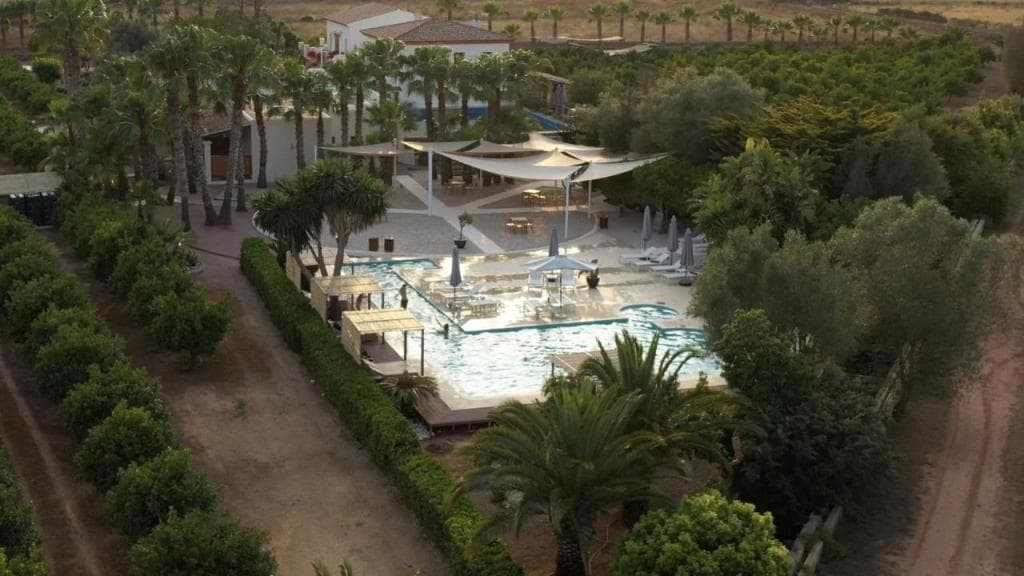
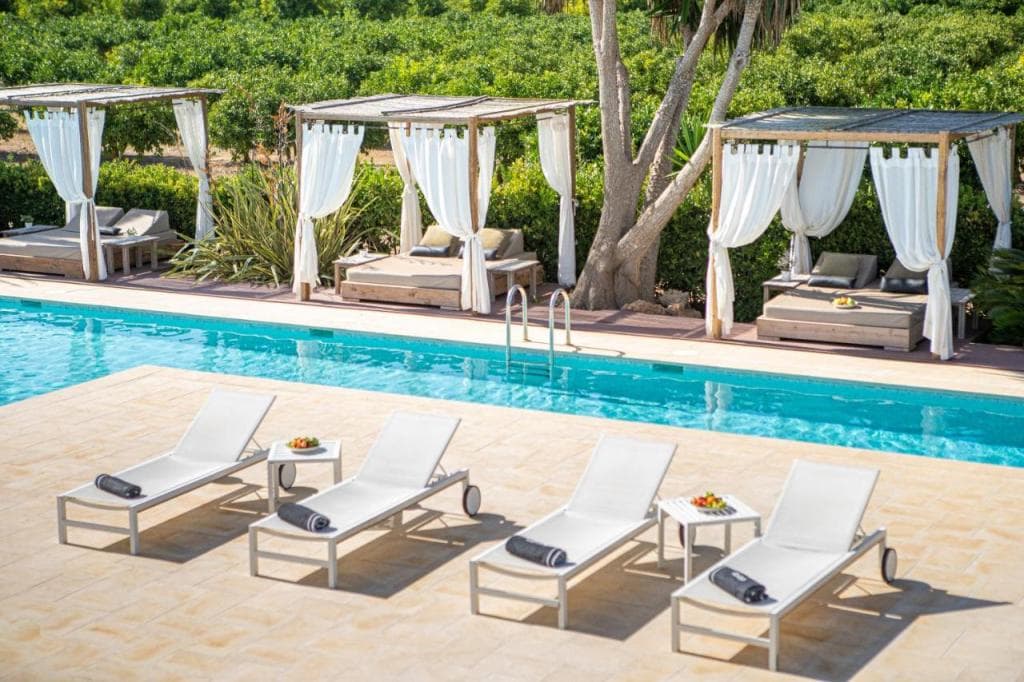
Ibiza Town17 roomsSet on the edge of the small village of de'n Puig Valls, Can Jaume provides a tranquil setting, surrounded by orange groves. In Can Jaume by Ocean Drive, you can enjoy the tranquility and fresh air o
Ibiza City Centre67 rooms## Elegant Accommodations The Standard, Ibiza in Ibiza Town offers adults-only rooms with private balconies, terraces, or patios. Each room features air-conditioning, a private bathroom, and modern a
Results 1 - 7
Ibiza Town has several areas known for being welcoming to gay travelers. Playa d'en Bossa, just south of the town center, is home to some of the island's most famous nightclubs and a lively, inclusive social scene. Closer to the old town, the marina area around Sa Penya and Dalt Vila has historically been the heart of gay nightlife in Ibiza, with numerous bars, cafes, and small hotels catering to a mixed and gay clientele. Staying within walking distance of the marina puts you close to both nightlife and the UNESCO-listed old town's restaurants and shops.
These neighborhoods are popular precisely because they are central, walkable, and have a visible community presence, meaning you'll find businesses and venues that are openly welcoming.
The island's high season runs from June through September, when the weather is warmest and nightlife venues operate at full capacity. Many bars and clubs that cater to gay visitors close or reduce hours outside this window, so travelers seeking the full community atmosphere should plan a summer visit. Ibiza Gay Pride typically takes place in June, bringing parties, cultural events, and community gatherings to the town. Shoulder seasons (May and October) offer a quieter, more affordable alternative with milder weather, ideal for travelers who prefer a relaxed pace over peak-season crowds.
Spain has some of the most progressive legal protections for gay people in the world. Same-sex marriage has been legal nationwide since 2005, and anti-discrimination laws apply across public services, employment, and accommodations. Ibiza Town itself has a long history as a gay-welcoming destination, dating back decades, and public displays of affection are generally accepted, particularly in tourist and nightlife areas. As with any destination, exercising normal travel awareness is sensible, but Ibiza Town is widely regarded as one of the safer and more open destinations in the Mediterranean for gay travelers.
When selecting a hotel, consider location first: staying near the marina, Dalt Vila, or Playa d'en Bossa puts you close to nightlife and community venues without needing a car. Look for accommodations that explicitly state they are gay-friendly or gay-owned, and check recent guest reviews from gay travelers for firsthand insight into staff attitudes and atmosphere. Budget-friendly guesthouses, mid-range boutique hotels, and beachfront properties are all available, so think about whether you prioritize nightlife access, beach proximity, or quiet relaxation. Booking through a platform that vets accommodations for inclusivity, such as My Gay Hotels, adds an extra layer of confidence.
Consider asking about the hotel's general clientele, distance to gay bars and beaches, and whether staff have experience welcoming gay couples, especially for shared-bed room requests.
Ibiza Town's nightlife scene is internationally renowned, and its gay-friendly venues are concentrated mainly around the marina and Sa Penya district. This area has hosted gay bars and clubs for years, creating a compact, walkable nightlife circuit. Beyond dedicated venues, many of Ibiza's famous superclubs host gay-popular nights during the summer season, drawing an international crowd. During the day, certain sections of nearby beaches, including areas around Ses Salines, are known as popular gathering spots within the community. Checking current listings before you travel is recommended, as venues and party nights can change season to season.
Yes, Ibiza Town is widely considered a safe destination for gay travelers. Spain has strong legal protections against discrimination, and the town has a long-established history of welcoming gay visitors, particularly around its nightlife and marina districts.
Ibiza Town has a range of accommodations known to be welcoming to gay travelers, including some gay-owned guesthouses and boutique hotels. Checking recent reviews and hotel descriptions helps confirm current ownership and atmosphere before booking.
The marina area and Sa Penya, near Dalt Vila, are historically the center of gay nightlife in Ibiza Town, with the highest concentration of welcoming bars and easy walking access to the old town.
Ibiza Gay Pride typically takes place in June, featuring parties, cultural events, and community gatherings throughout the town, though exact dates vary each year.
Yes, Spain legalized same-sex marriage nationwide in 2005, one of the first countries in the world to do so, and this applies fully to Ibiza Town and the surrounding region.
Public displays of affection between gay couples are generally accepted in Ibiza Town, especially in tourist areas, the marina, and nightlife districts, reflecting the island's welcoming reputation.
The peak season from June through September offers the fullest nightlife experience, as many clubs and gay-friendly venues operate at full capacity only during these summer months.
Certain sections of beaches near Ibiza Town, including areas around Ses Salines, are known informally as popular gathering spots within the gay community, though they are not officially designated.
Most hotels in Ibiza Town, particularly those with international tourist experience, accommodate double-bed requests for same-sex couples without issue, but it's advisable to confirm directly with the property when booking.
Yes, gay bars and clubs are concentrated mainly around the marina and Sa Penya district, making it easy to find a walkable nightlife circuit within the town center.
Ibiza Town is comparable to Sitges and parts of Madrid and Barcelona in terms of openness and community presence, though it is especially known for its nightlife and summer party scene rather than a year-round gay village.
It's not strictly necessary, as general accommodations in Ibiza Town are typically welcoming, but booking gay-friendly or gay-owned hotels can offer added comfort, community connections, and confidence, especially for first-time visitors.
Solo gay travelers generally find Ibiza Town welcoming, with an active social scene making it easy to meet others, though standard travel safety precautions, such as being aware of surroundings at night, are still recommended.
Beyond the annual Pride celebration, many nightlife venues host regular themed parties and community nights throughout the summer season, offering ongoing opportunities to connect with the local and visiting gay community.
Yes, outside the June to September peak season, many gay-friendly venues reduce hours or close entirely, making Ibiza Town significantly quieter for community-focused nightlife during the off-season.