

 Maastricht
 84 rooms
Welcome to Vaeshartelt, the place where history and nature form the backdrop for celebrating life! Our beautiful 17th-century estate combines history with a warm, welcoming atmosphere. Once the home

 Maastricht84 rooms
Welcome to Vaeshartelt, the place where history and nature form the backdrop for celebrating life! Our beautiful 17th-century estate combines history with a warm, welcoming atmosphere. Once the home
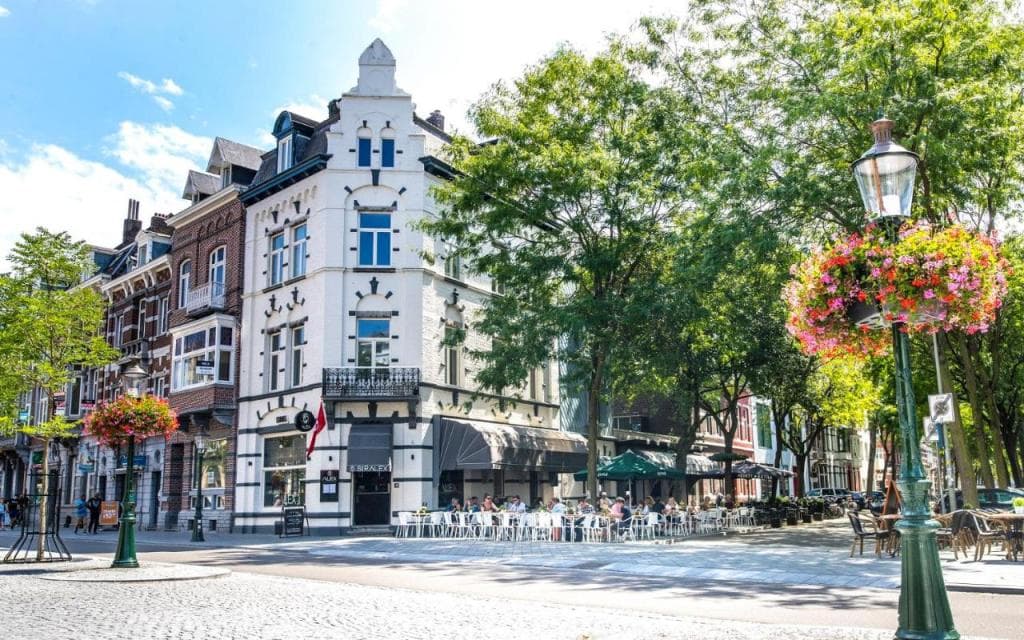
Wijck23 roomsSet 0.8 mi from Basilica of Saint Servatius, Alex Maastricht in Maastricht offers a terrace. Located in the Wijck district, the property provides guests with access to a restaurant. All rooms in the
Maastricht60 roomsLocated in Maastricht, Guests can enjoy a meal in the resorts restaurant, Proeflokaal Eten or a drink at the bar Proeflokaal Drinken. Free WiFi is featured. A swimming pool is available. Each room is
Maastricht City Centre20 roomsBoutique hotel Sint Jacob is located in the heart Maastricht. Free Wi-Fi access is available. Rooms here will provide you with a flat-screen tv and cable channels. Private bathrooms also come with a
Maastricht7 rooms## Elegant Accommodations Château Neercanne - Oostwegel Collection in Maastricht offers a 5-star hotel experience with a sun terrace, garden, and free WiFi. Guests enjoy private check-in and check-ou
Statenkwartier7 rooms## Comfortable Accommodations Cousins Boutique Hotel in Maastricht offers air-conditioned rooms with private bathrooms, tea and coffee makers, and free WiFi. Each room includes a mini-bar, soundproof
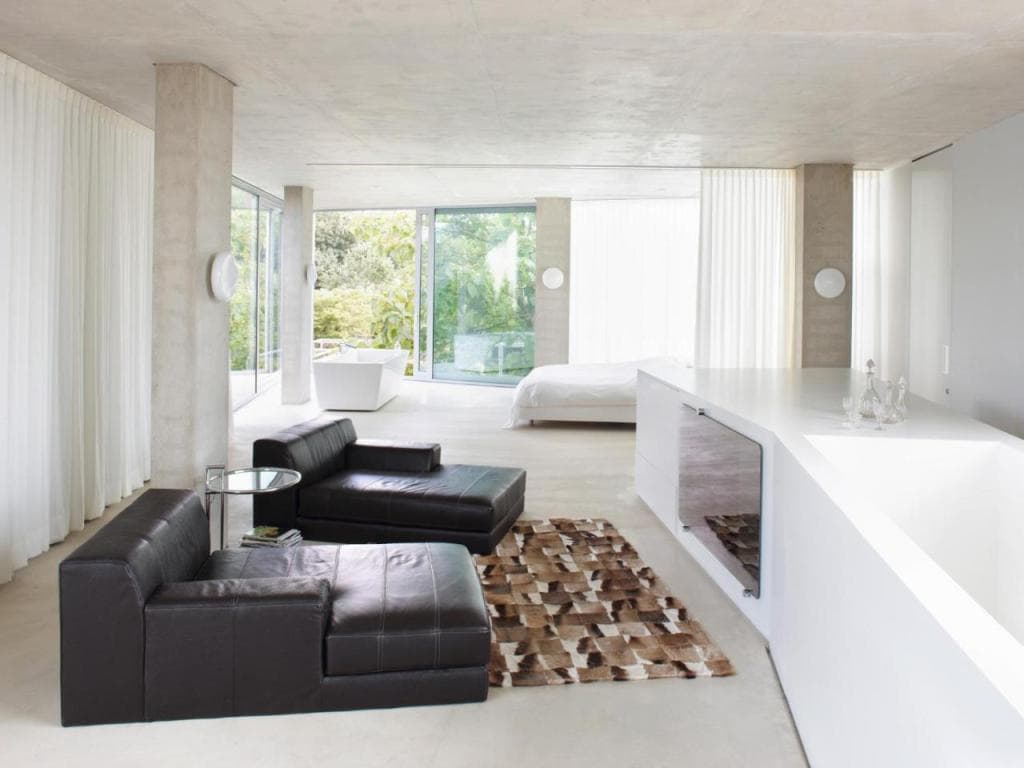
Maastricht1 room## Spacious Accommodations H-House Architectural Residence in Maastricht offers a spacious country house with two bedrooms and two bathrooms. The property features a swimming pool with a view, sun te
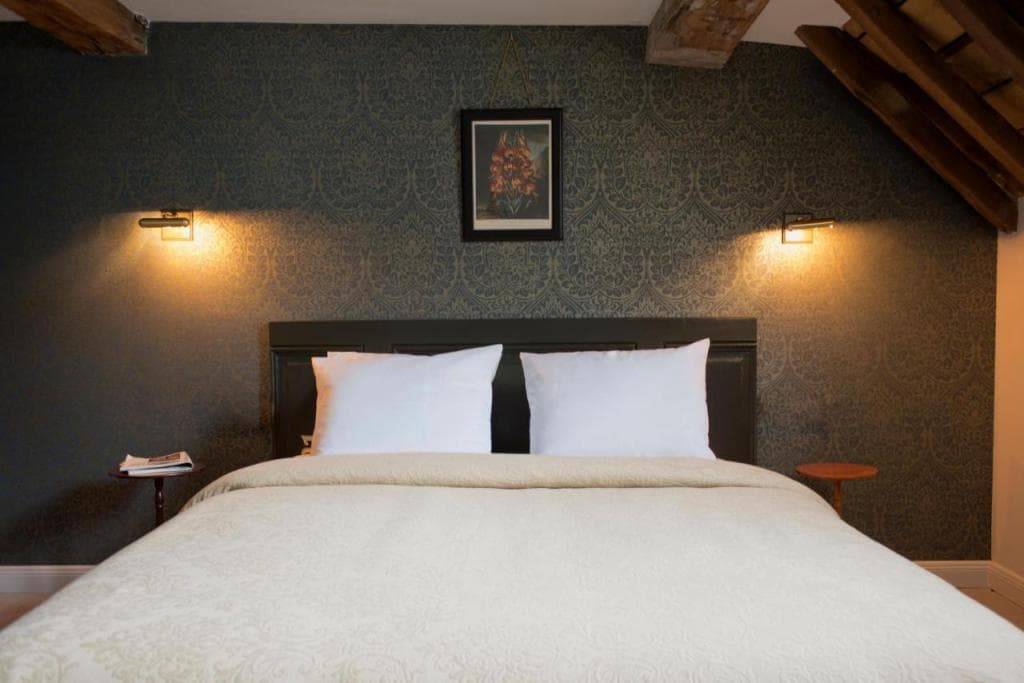
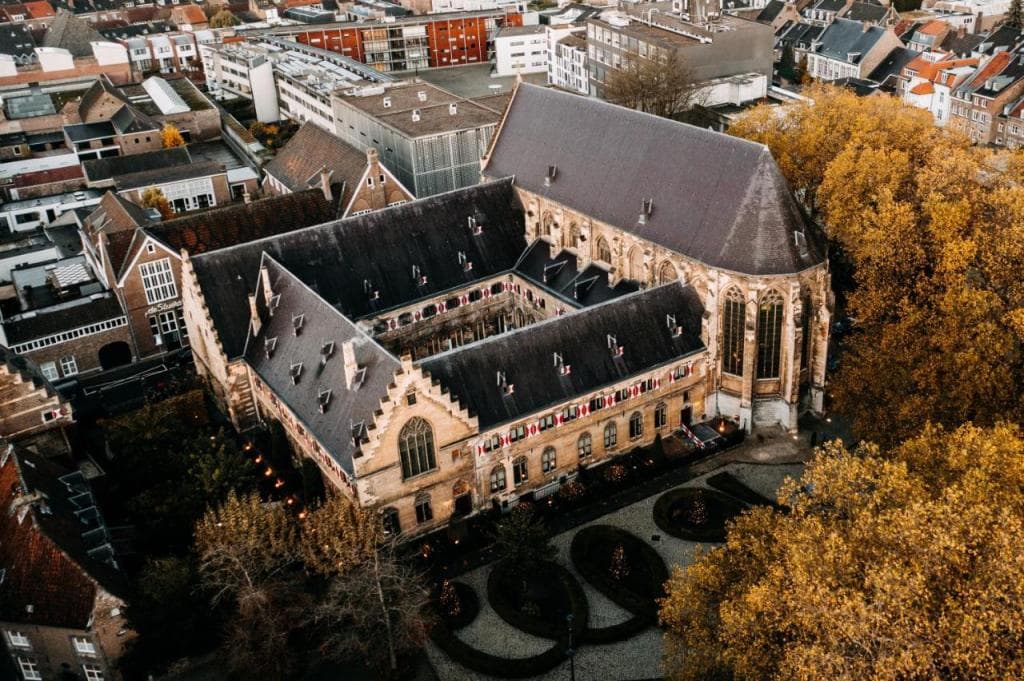
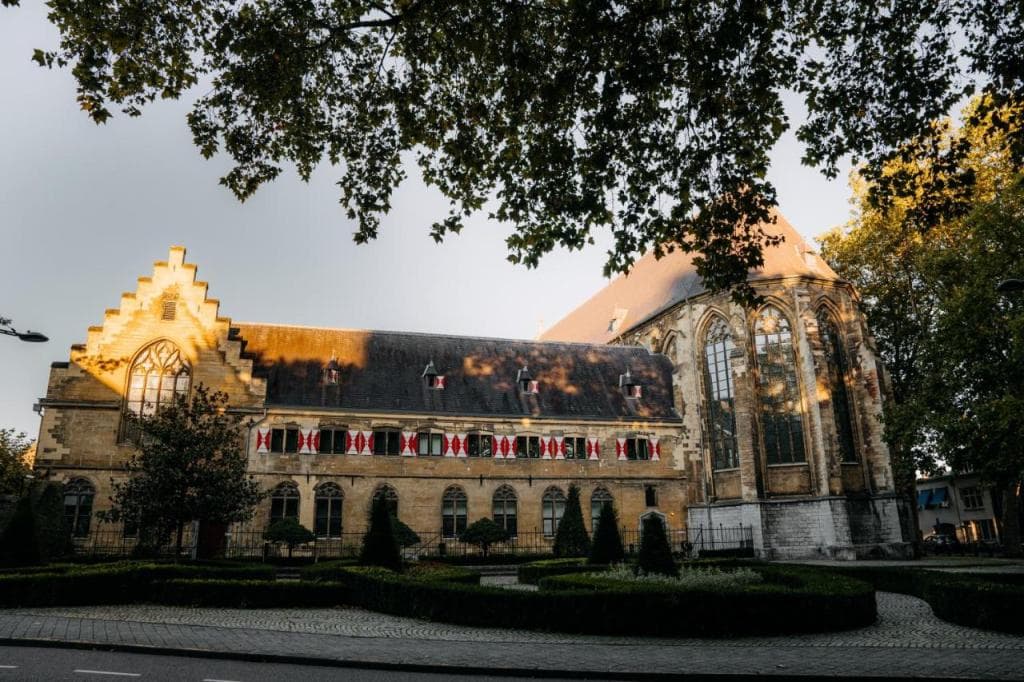
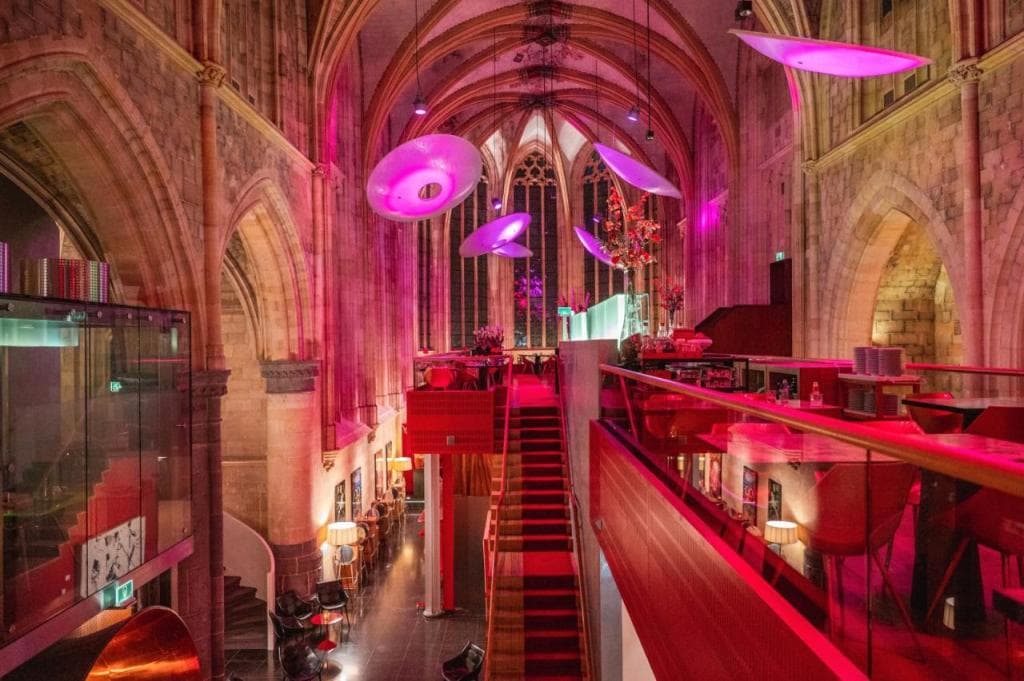
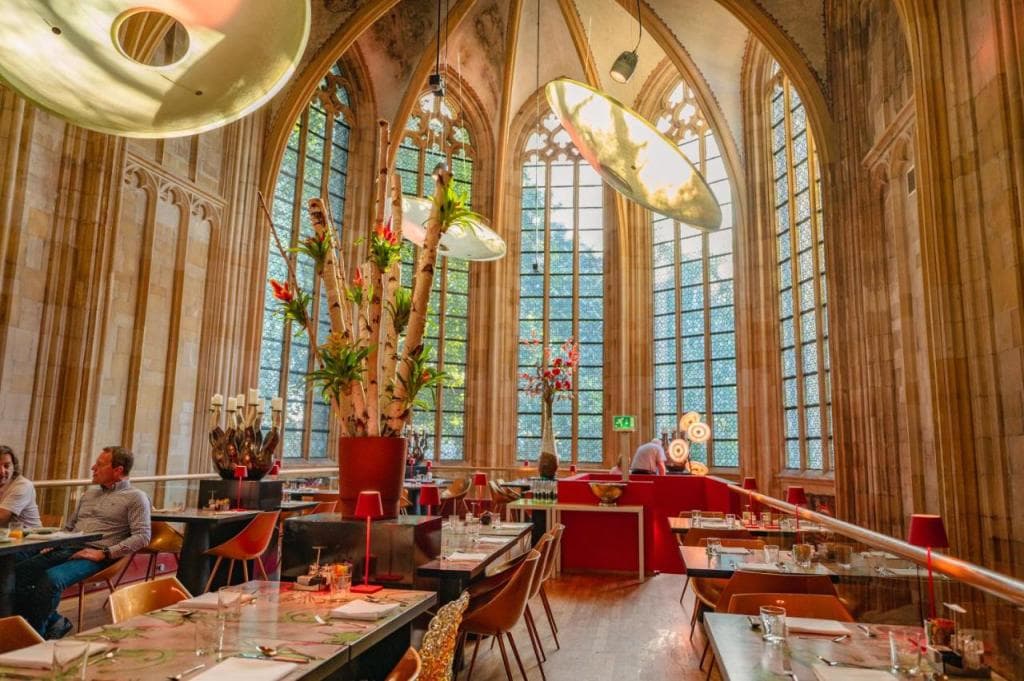
Kommelkwartier60 roomsSet in a Gothic monastery, Kruisherenhotel Maastricht - Oostwegel Collection, member of Design Hotels has free WiFi. It has a mezzanine level restaurant in the central church hall. All rooms include
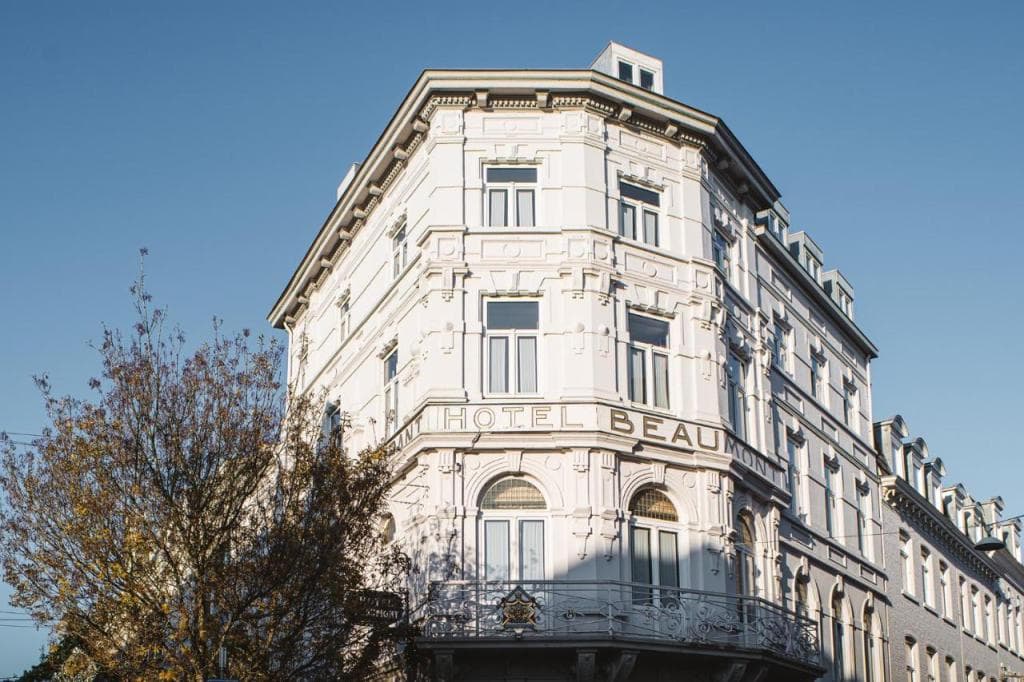
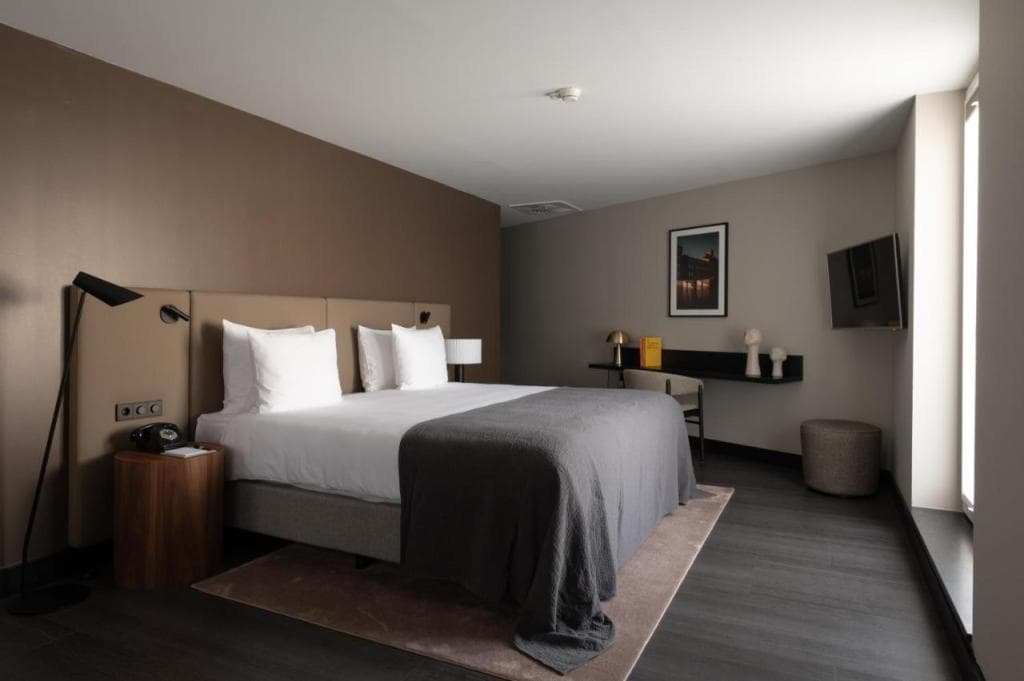
Wijck69 roomsBoutique Hotel Beaumont Maastricht is a historic deluxe boutique hotel located since 1912 in the Wyck neighborhood. It is a 3-minute walk from Maastricht Central Station. Beaumont offers modern accomm
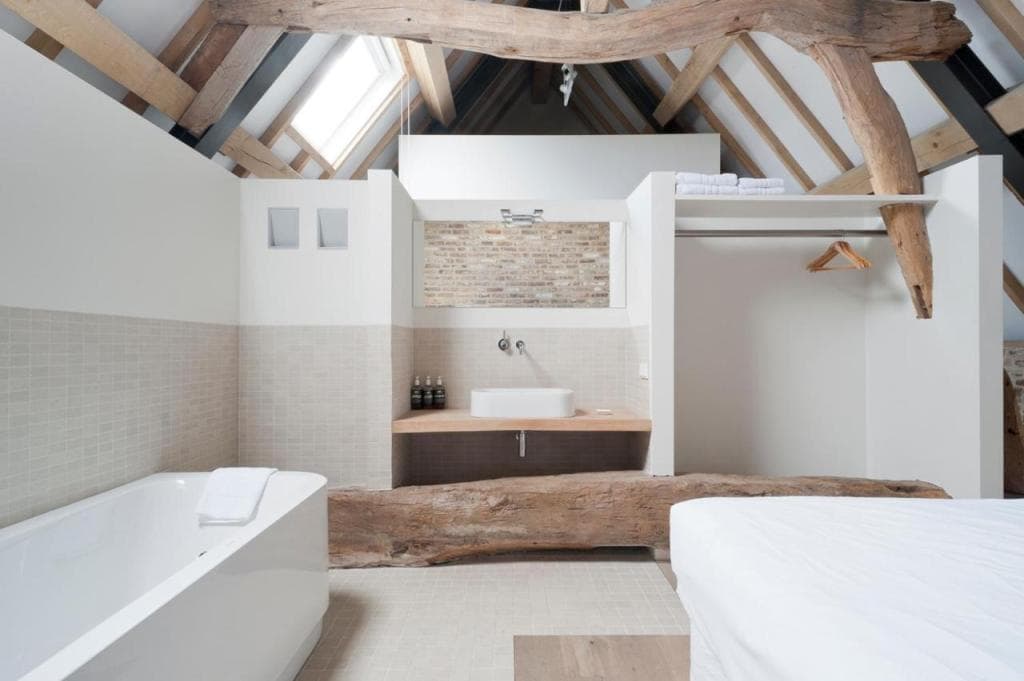
Maastricht4 roomsThis family-run hotel is set in a historic farm on the edge of Maastricht. It offers spacious apartments and suites with free Wi-Fi and a modern-rustic décor. Each accommodations at Cour 8 Lofts incl
Maastricht City Centre9 roomsThis romantic hotel is located in the old Jeker district in the center of Maastricht. Its spacious rooms offer free Wi-Fi. Vrijthof and Onze Lieve Vrouweplein are a 3-minute walk. Some rooms are deco
Boschstraatkwartier52 roomsHotel Monastère Maastricht is located in Maastricht. This 4-star hotel offers free WiFi. Set in the Boschstraatkwartier district, the hotel is within 2133 ft of Vrijthof. Guest rooms in the hotel are
Results 1 - 12
Maastricht offers a softer, more Mediterranean rhythm than the rest of the Netherlands, and that easy-going temperament shapes its approach to LGBTQ+ visitors. Same-sex couples are welcomed without fuss in restaurants, museums and boutique hotels across the historic centre, from Vrijthof to Wyck on the eastern bank.
The city's compact scale means most gay-friendly stays sit within walking distance of the main sights, the train station and the lively café terraces that define Limburg social life. Expect attentive service, design-forward interiors in restored townhouses and a culture of discreet hospitality.
Maastricht does not have a dedicated gay village, but a handful of mixed and LGBTQ+-welcoming venues animate the streets around Markt, Kesselskade and the small lanes near the Helpoort. Bar Cafe Sjiek, Take One and the riverside terraces along the Maas draw an open crowd that mixes locals, students and weekend visitors from Belgium and Germany.
The Jeker quarter, south of Vrijthof, charms with antique shops, wine bars and quiet bistros tucked into medieval houses. Across the river, Wyck and the Sphinxkwartier add a more contemporary edge, with concept stores, art-house cinema Lumière and craft cocktail spots that stay busy late into the night.
Two thousand years of history layer the city centre. The Romanesque Basilica of Saint Servatius and the Gothic Basilica of Our Lady frame Vrijthof and Onze Lieve Vrouweplein, while the medieval city walls, Helpoort gate and Casemates tunnels reveal Maastricht's strategic past. Bookshop Dominicanen, set inside a thirteenth-century church, has become a destination in itself.
For art lovers, the Bonnefanten Museum showcases old masters alongside contemporary works in a striking Aldo Rossi building. Beyond the centre, the chalk caves of Mount Saint Peter and the rolling Heuvelland countryside reward a half-day excursion by bike or local train.
Spring and early autumn suit walking tours and terrace lunches, with mild weather and fewer crowds. Roze Maandag in nearby Tilburg and the wider Dutch Pride calendar in summer attract LGBTQ+ visitors across the region, while Maastricht itself shines during Carnaval in February, when the entire city dresses up for several days of street celebrations. December brings the Magical Maastricht Christmas market on Vrijthof, a popular moment for romantic weekends.