


 Centro de Merida
 20 rooms
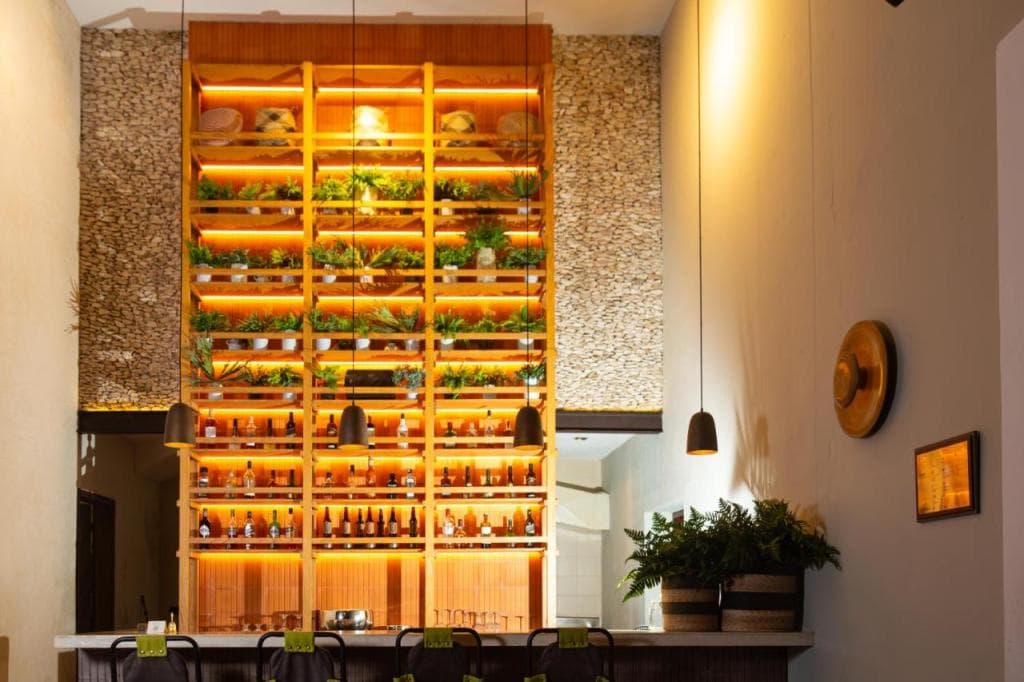
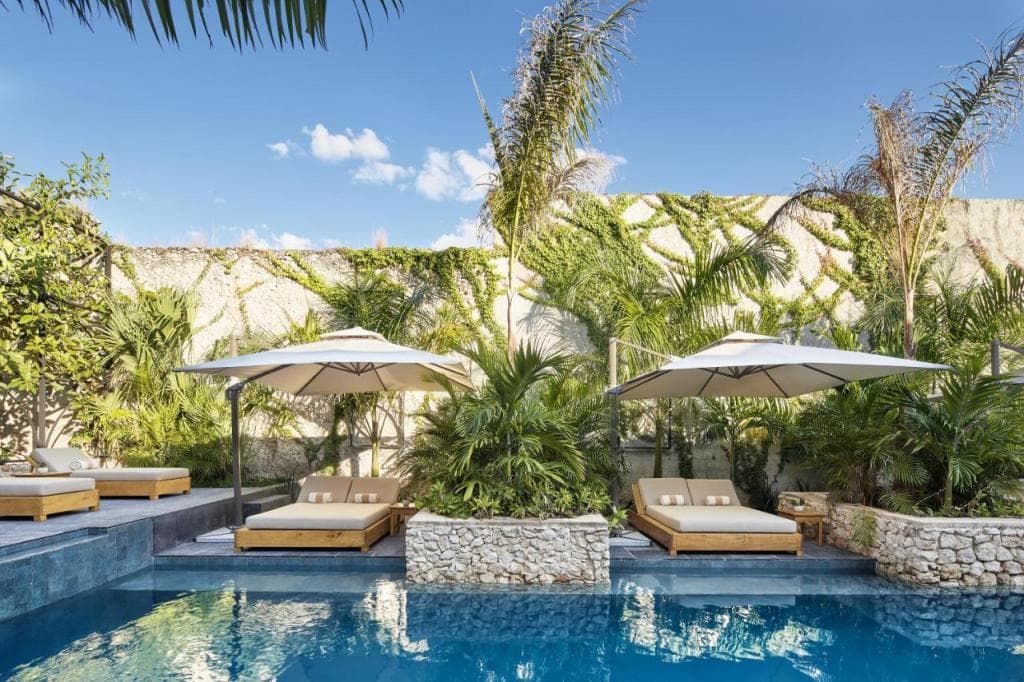
## Elegant Accommodations Ontico Urban Design Hotel in Mérida offers a 5-star experience with a bar, year-round outdoor swimming pool, and free WiFi. Guests enjoy private check-in and check-out, a lo

 Centro de Merida20 rooms
## Elegant Accommodations Ontico Urban Design Hotel in Mérida offers a 5-star experience with a bar, year-round outdoor swimming pool, and free WiFi. Guests enjoy private check-in and check-out, a lo
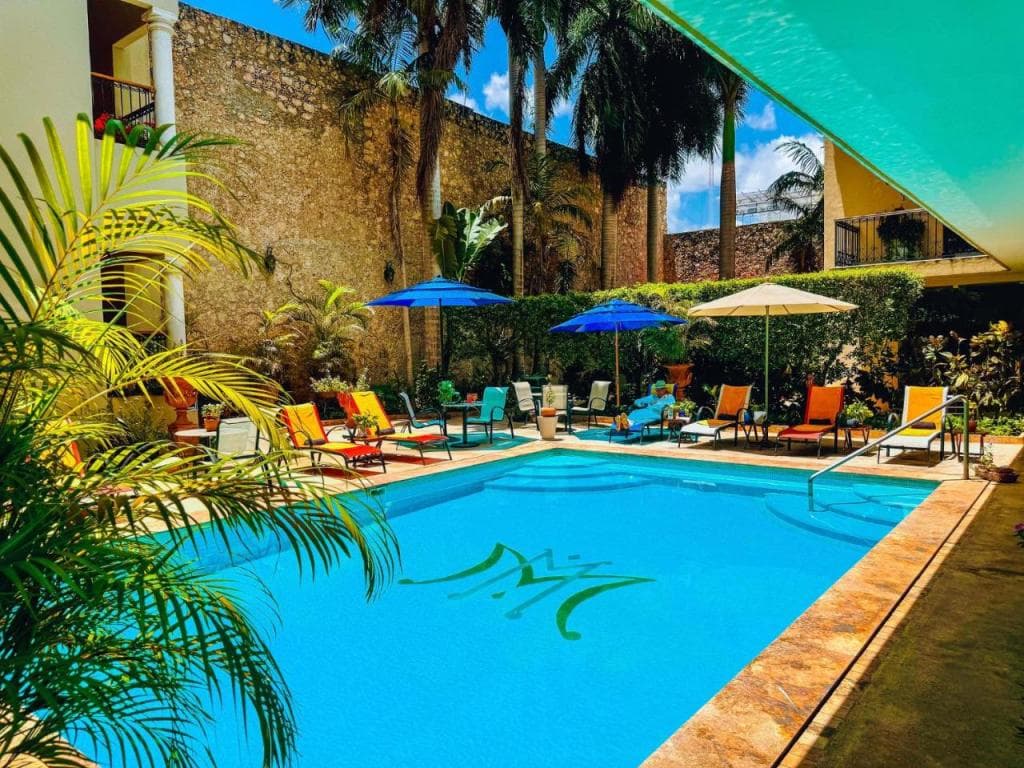
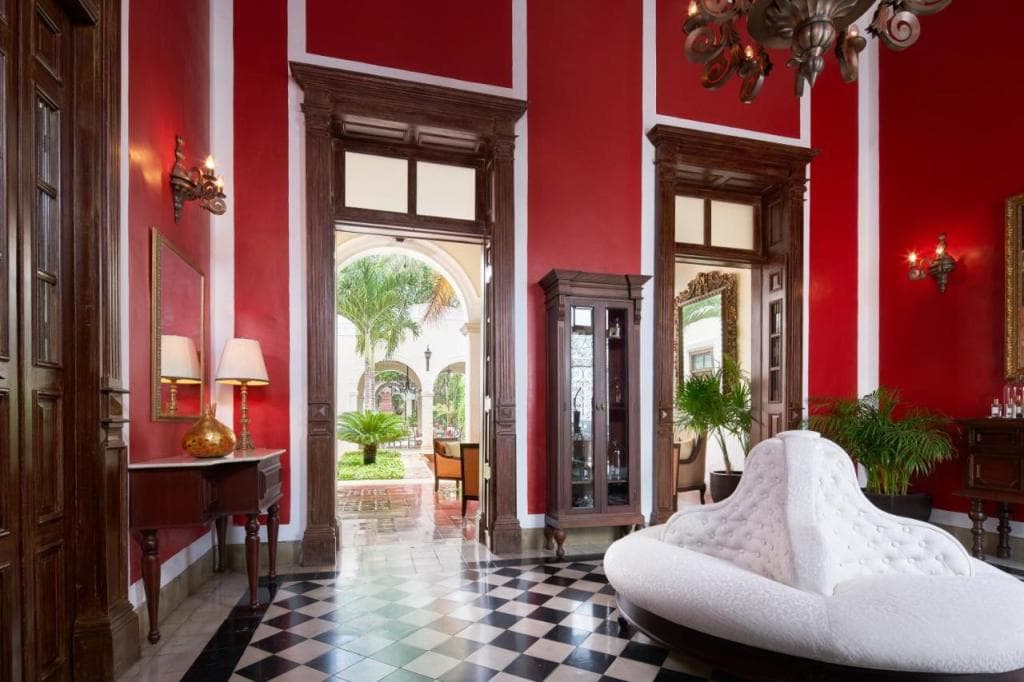
Mérida16 roomsThis 18th century hacienda has been converted into a small luxury hotel with outdoor swimming pool and spa. It is just 2 minutes’ drive from Mexican Federal Highway 281. Some rooms have iPod docking s
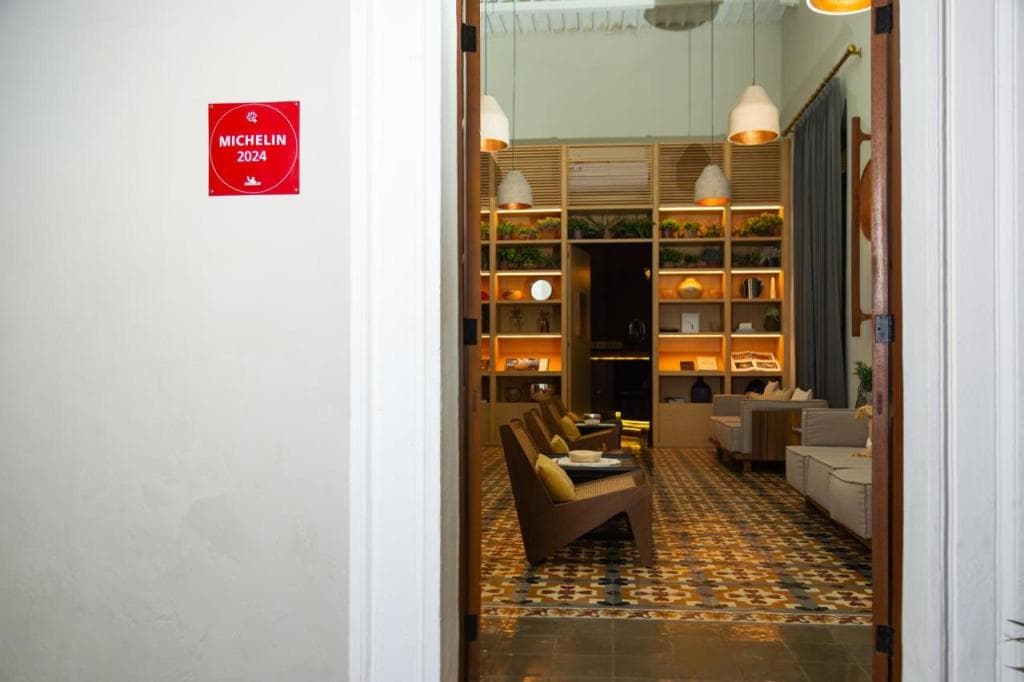
Centro de Merida8 roomsFeaturing a restaurant, a bar as well as a garden, DECU DOWNTOWN is set in the center of Mérida, 1640 feet from Montejo Avenue. Boasting a terrace, the hotel is close to several noted attractions, aro
Centro de Merida8 rooms## Comfortable Accommodations Villa Orquídea Boutique Hotel in Mérida offers 4-star comfort with air-conditioning, private bathrooms, and free WiFi. Each room includes a work desk, dining area, and m
MéridaCentro de Merida, Paseo de Montejo9 roomsDIEZ DIEZ COLLECTION has a restaurant, outdoor swimming pool, a bar and garden in Mérida. This 5-star hotel offers a concierge service and free WiFi. The accommodations features a 24-hour front desk,
Centro de Merida22 rooms## Elegant Accommodations CIGNO Mejorada Hotel Boutique in Mérida offers a 4-star experience with an adults-only policy. Guests enjoy a sun terrace, lush garden, and a year-round outdoor swimming poo
Centro de Merida15 rooms## Elegant Accommodations Adoro Hotel Boutique in Mérida offers a 5-star experience with a fitness center, sun terrace, garden, bar, and a year-round outdoor swimming pool. Guests enjoy free WiFi thr
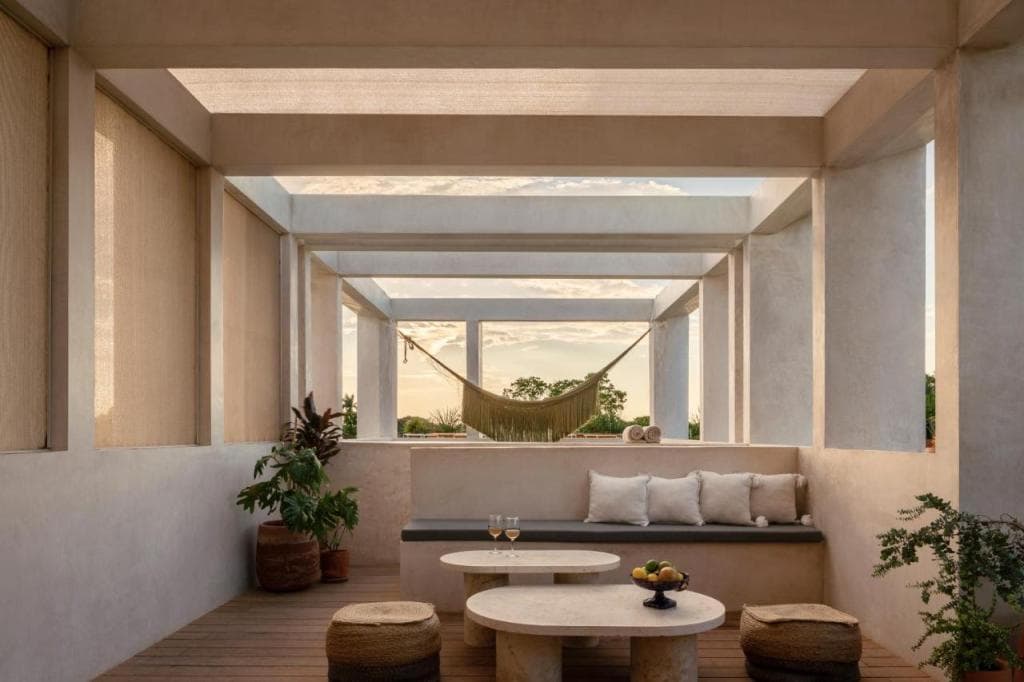
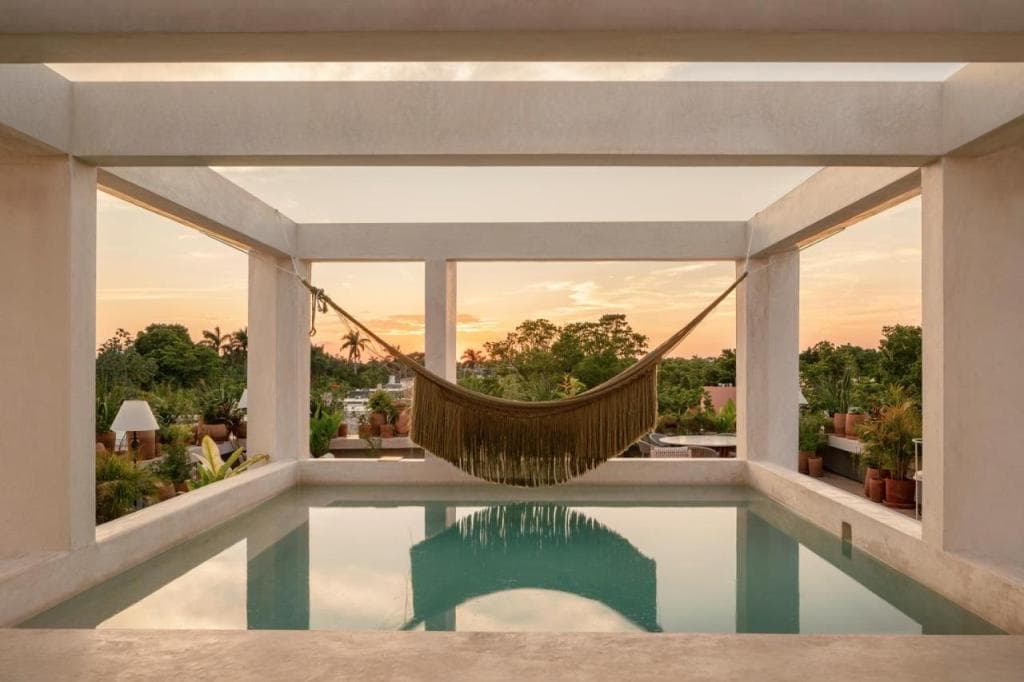
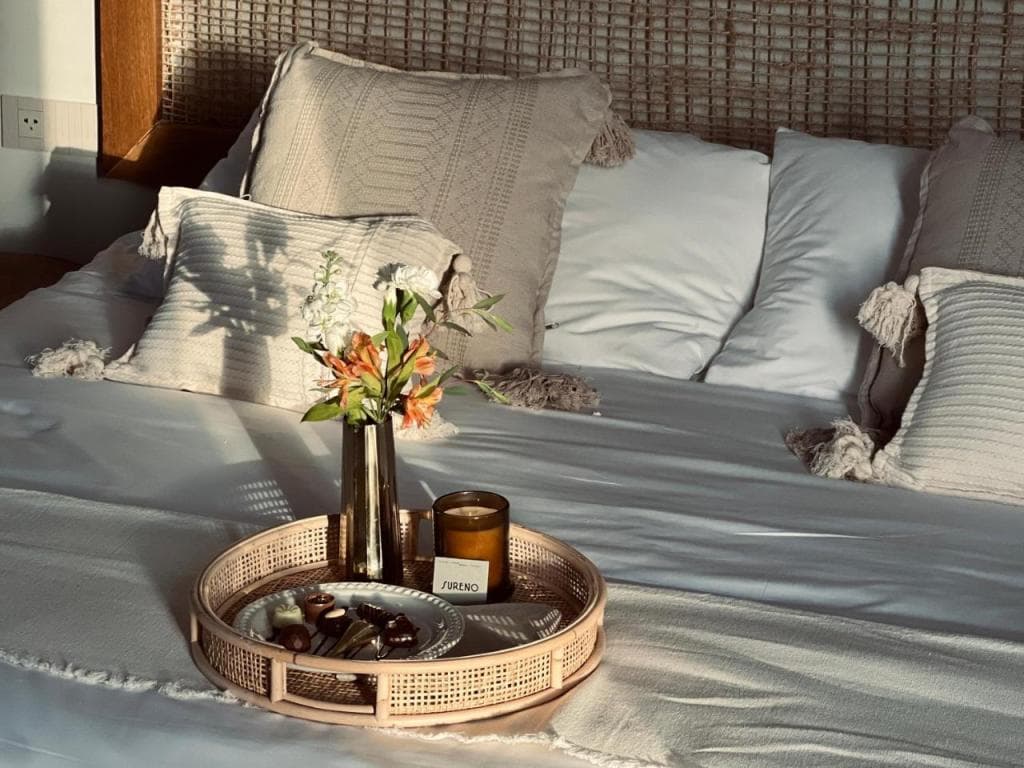
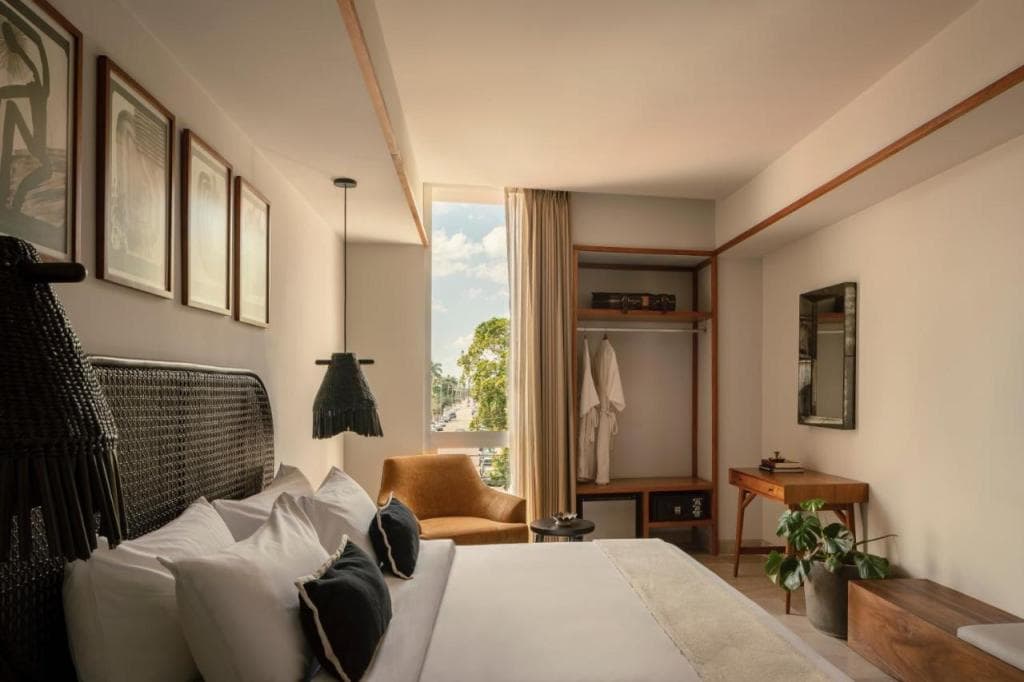
Centro de Merida17 rooms## Elegant Accommodations Hotel Sureño Yucatan in Mérida offers a 5-star experience with a rooftop swimming pool, sun terrace, restaurant, bar, and free WiFi. Guests enjoy air-conditioning, private b
Centro de Merida4 rooms## Historic Setting Casa Olivia in Mérida offers a unique stay within a historic building. The property is adults-only and features a garden, terrace, and bar. ## Outdoor Amenities Guests can enjoy
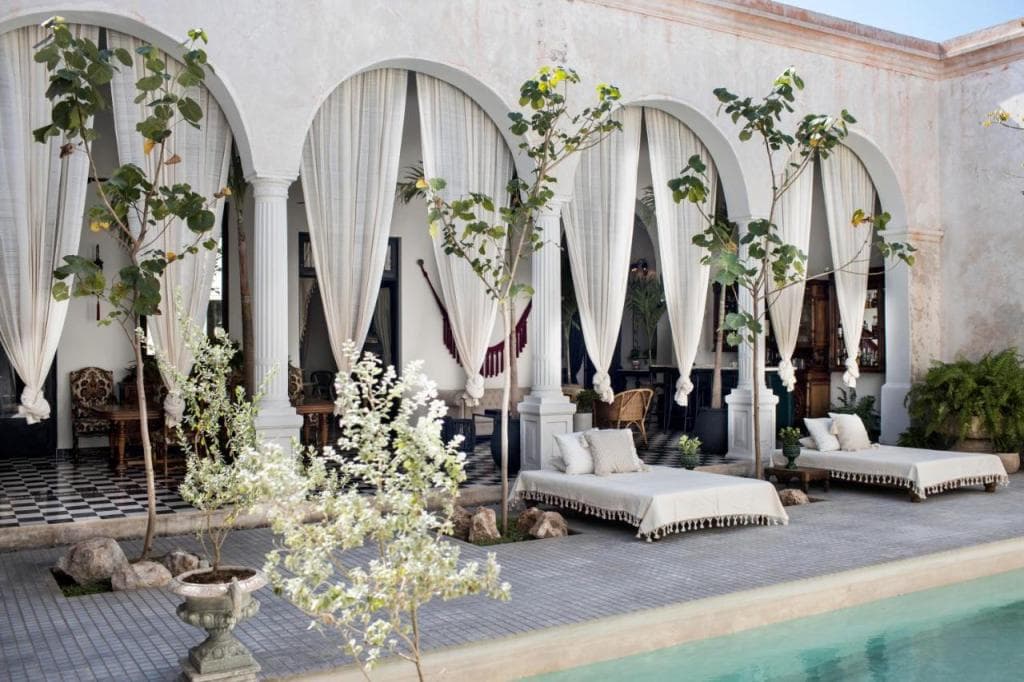
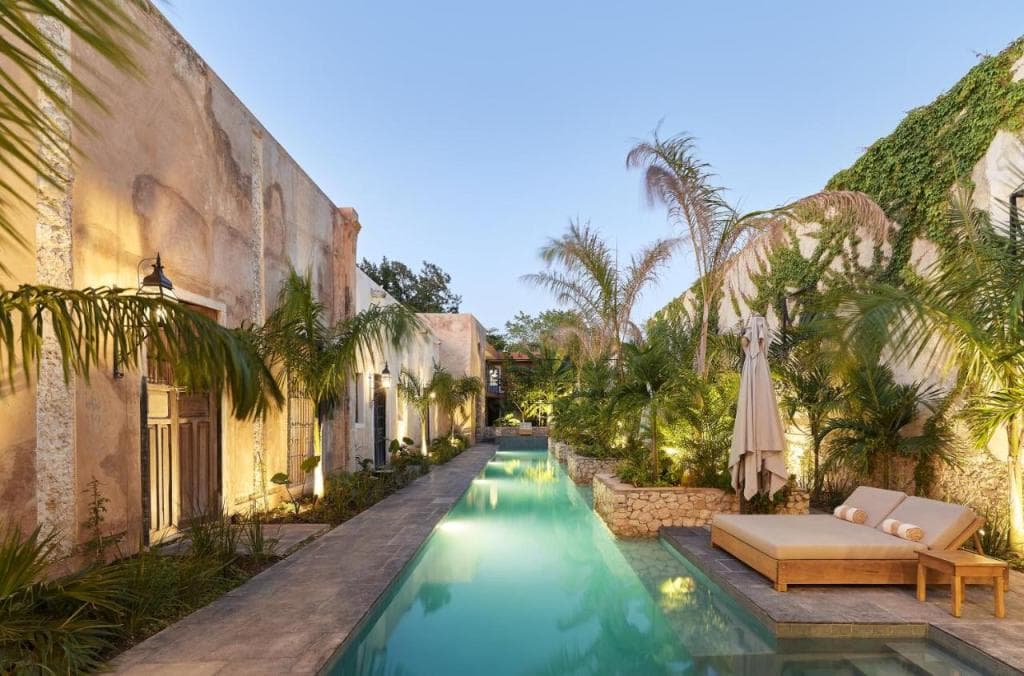
Centro de Merida, Paseo de Montejo6 roomsFeaturing beautiful tiled courtyards, a pool and luxurious rooms, Casa Lecanda Boutique Hotel Adults Only is a striking property located next to Mérida’s Paseo Montejo Boulevard. Set in gardens, it ha
Results 1 - 11
Long known for its safety and its slower tempo, Mérida has become one of Mexico's most reassuring destinations for LGBTQ+ travelers. The city is the capital of a state that has progressively expanded civil rights, and same-sex couples are part of everyday life on the Plaza Grande or under the laurel trees of Santa Lucía. Curated gay-friendly hotels reflect this discreet openness, with bilingual staff used to welcoming queer guests, couples and solo voyagers seeking a base in the heart of Yucatán.
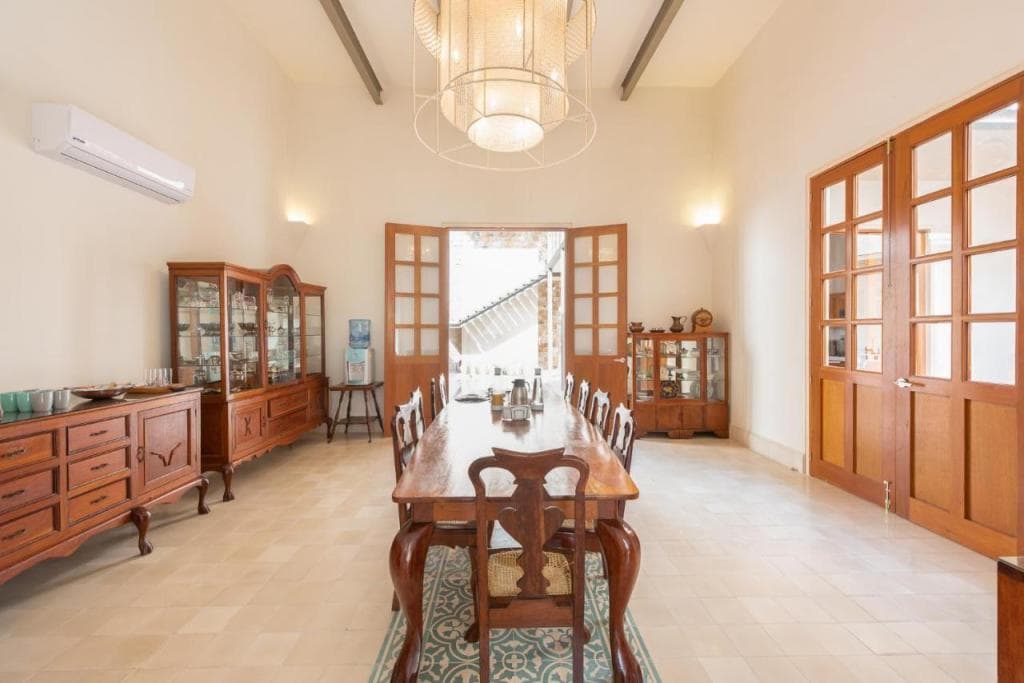
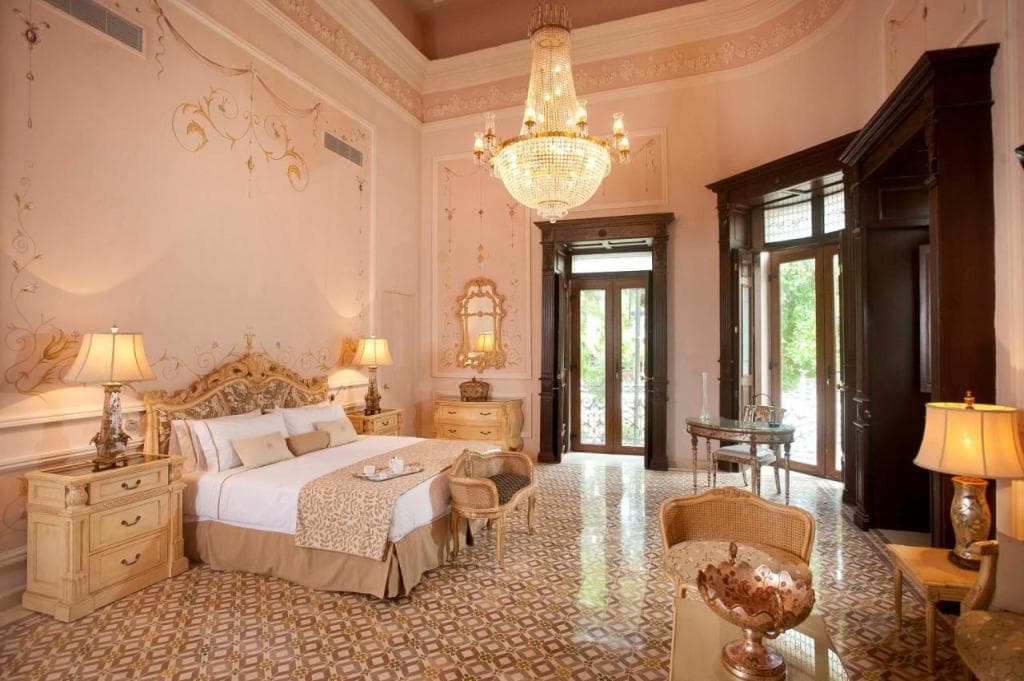
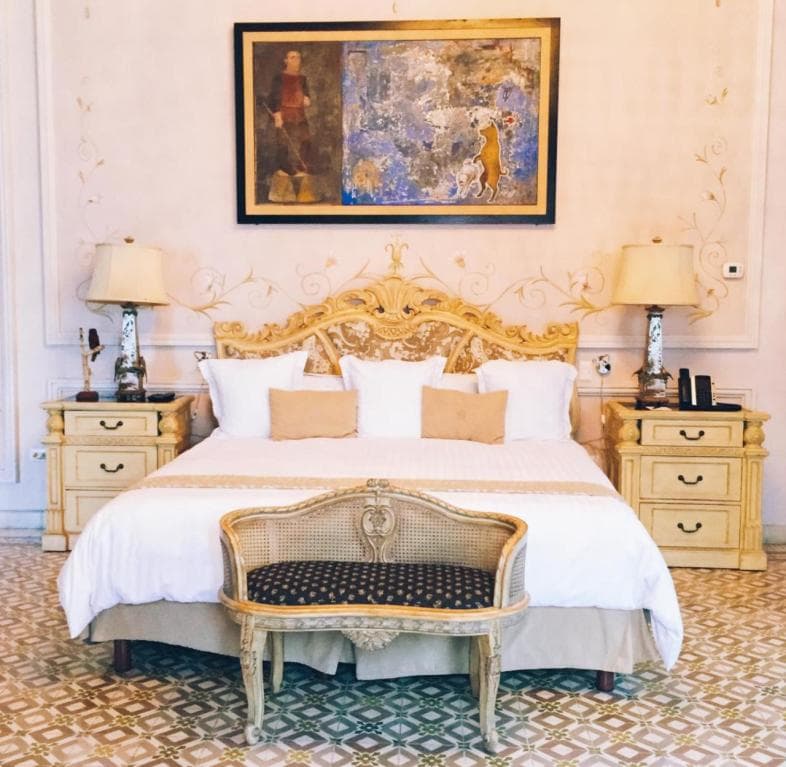
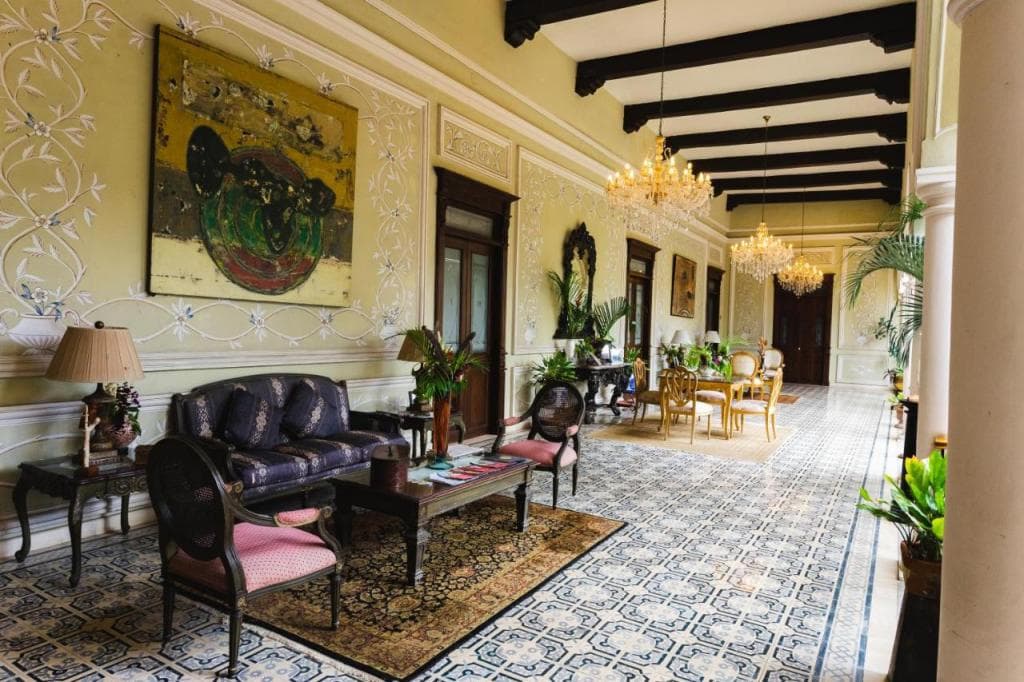
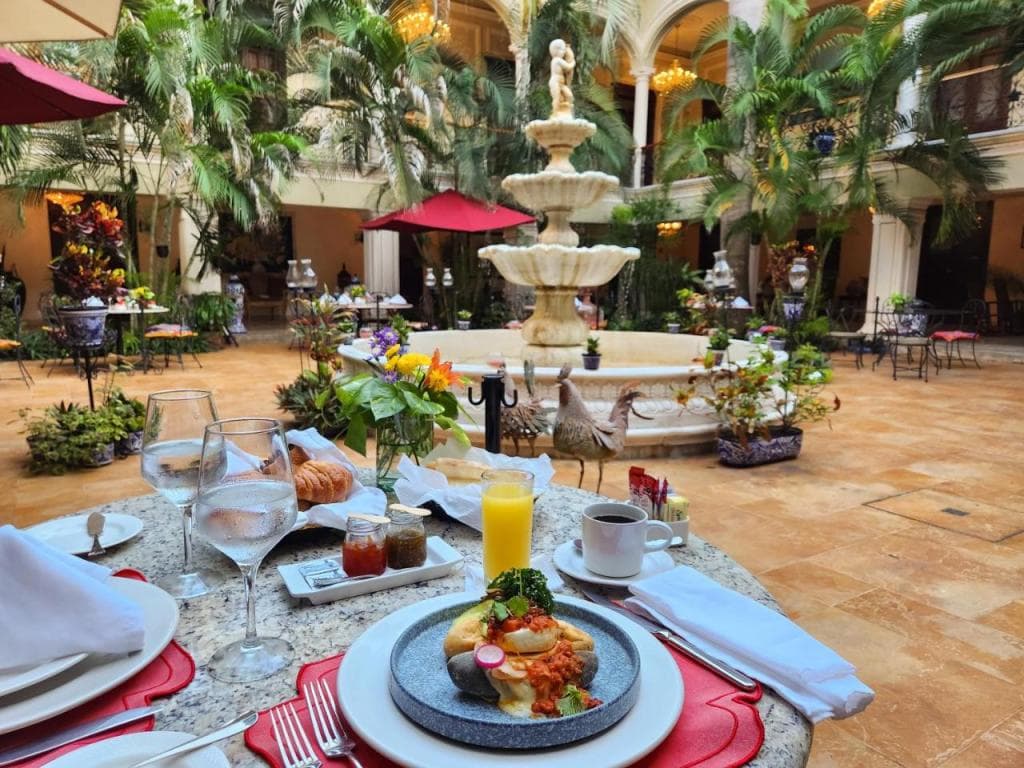
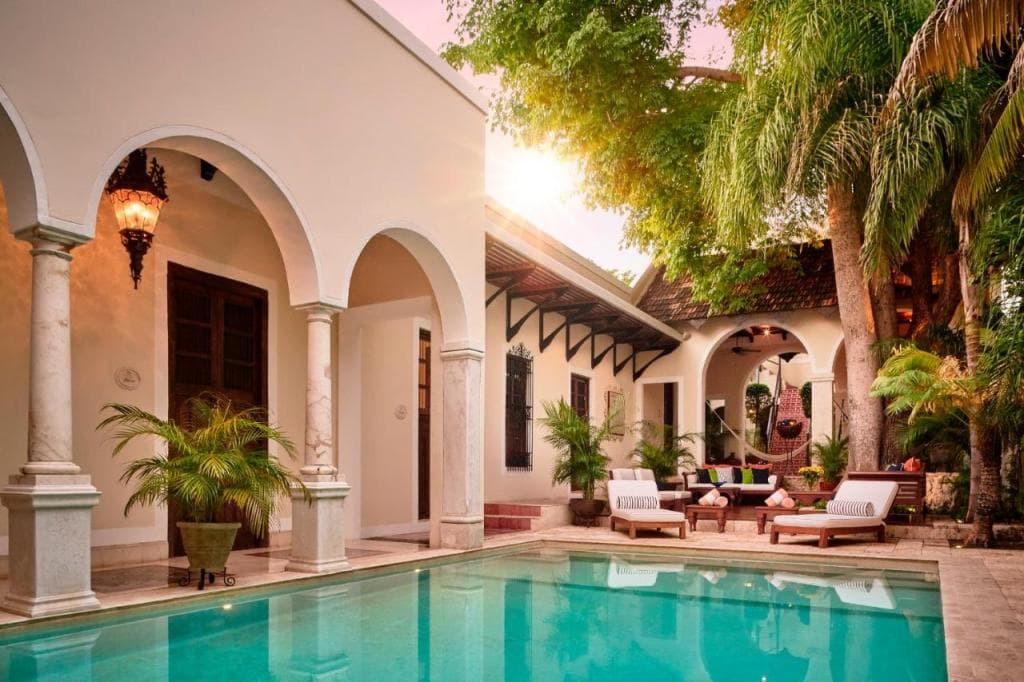
Many properties occupy 19th-century mansions or restored haciendas just outside town, where high ceilings, tiled floors and shaded courtyards become true sanctuaries after a day spent under the tropical sun.
The Centro Histórico concentrates most of the queer-friendly venues, from intimate mezcal bars on Calle 60 to small clubs that come alive on weekends near Parque de Santa Ana. La Ermita and Santiago, two quieter colonial barrios, host café-bookshops, vegetarian kitchens and cultural spaces where the local LGBTQ+ community gathers around concerts and drag performances.
The scene is more understated than in Mexico City or Puerto Vallarta, but its strength lies in mingling: many addresses are simply inclusive rather than strictly gay, with mixed crowds enjoying trova music, cumbia nights or rooftop sunsets above the cathedral.
Mérida is a gateway to the Mayan world. Day trips lead to Uxmal and its Puuc-style palaces, to Chichén Itzá or to the freshwater cenotes of Cuzamá and Homún, where swimming in turquoise sinkholes feels almost ceremonial. Closer in, the Gran Museo del Mundo Maya and the Casa de Montejo trace centuries of indigenous, colonial and henequen-era history.
Strolling along the Paseo de Montejo, lined with French-inspired mansions, then heading to Mercado Lucas de Gálvez for cochinita pibil and papadzules, gives a vivid sense of the city's layered identity. The nearby fishing villages of Progreso and Sisal add a coastal counterpoint, with long beaches and flamingo lagoons.
The dry season, from November to March, offers the most comfortable temperatures for exploring ruins and colonial streets. Cultural highlights include the Mérida Fest in January and the year-round Noche Mexicana on Paseo de Montejo. The local Pride march usually takes place in June, gathering associations from across the peninsula in a friendly, family-oriented parade that mirrors the city's overall tone: warm, unhurried and quietly self-assured.