Rabat
Rabat 199 rooms
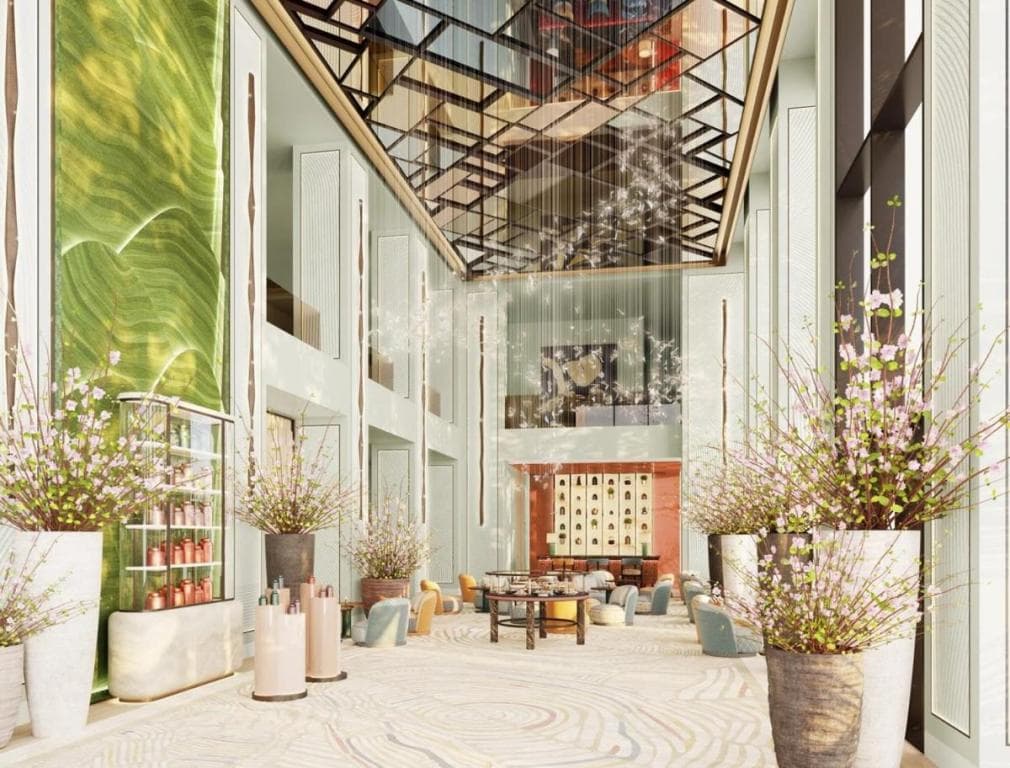
## Exceptional Facilities Four Seasons Hotel Rabat at Kasr Al Bahr in Rabat offers an infinity swimming pool, spa facilities, fitness center, sun terrace, garden, restaurant, bar, and free WiFi. ##

 Rabat199 rooms
## Exceptional Facilities Four Seasons Hotel Rabat at Kasr Al Bahr in Rabat offers an infinity swimming pool, spa facilities, fitness center, sun terrace, garden, restaurant, bar, and free WiFi. ##
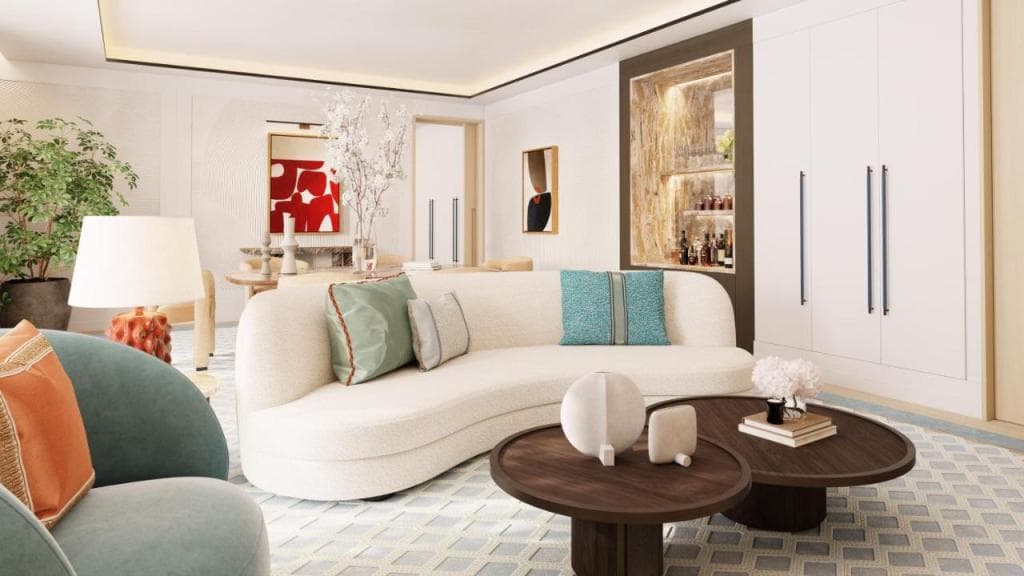
Rabat180 rooms## Elegant Accommodations The Ritz-Carlton Rabat, Dar Es Salam in Rabat offers luxurious rooms with air-conditioning, private bathrooms, and modern amenities. Each room includes a balcony or terrace,
Hay Riad146 roomsSet in Rabat, a 15-minute drive from OLM Souissi Stage of Mawazine Festival, The View Rabat features air-conditioned rooms with free WiFi throughout the property. Guests can enjoy the on-site restaura
Rabat122 rooms## Prime Beachfront Location STORY Le Carousel Rabat in Rabat offers direct beachfront access, a spacious terrace, and an outdoor swimming pool. Guests enjoy sea views and a relaxing atmosphere. ##
Rabat43 rooms## Elegant Accommodations Verdala Wellness Hotel AX Privilege in Rabat offers a 5-star experience with adults-only access. Guests enjoy private bathrooms, air-conditioning, and modern amenities. ##
Results 1 - 5
Malta has built a solid reputation as one of the most welcoming destinations in the Mediterranean for LGBTQ+ visitors, with civil unions, marriage equality and strong anti-discrimination protections in place for years. In Rabat, that translates into a quietly confident atmosphere: small guesthouses, restored townhouses and boutique stays where same-sex couples are received with the same natural courtesy as any other guest.
The town itself is residential and historic rather than party-driven, which suits travellers looking for an authentic Maltese base close to heritage sites, while keeping the nightlife of the central conurbation a short drive away.
Rabat grew up around the walls of Mdina, the former capital, and the two are inseparable. From your hotel you can stroll into the Silent City through the main gate, wander narrow alleys lined with noble palaces, and step into Saint Paul's Cathedral or the catacombs that run beneath the streets. Cafés on Pjazza tal-Parroċċa and along Saqqajja Hill serve pastizzi, ftira and local Maltese wines under bougainvillea-draped façades.
For LGBTQ+ nightlife, most visitors head to Paceville, St Julian's and Sliema, roughly twenty to thirty minutes away by taxi or bus, where bars such as Michelangelo and AXM gather a mixed gay and queer crowd. Rabat then becomes a peaceful retreat to come back to once the music fades.
Beyond Mdina, Rabat is an excellent springboard for exploring inland Malta. The Domus Romana museum preserves mosaics from a wealthy Roman residence, while the Wignacourt Museum and the grottoes of Saint Paul recall centuries of religious and cultural layering. A short drive leads to the Dingli Cliffs, where the limestone plateau drops dramatically into the sea, and to the prehistoric temples of Ħaġar Qim, listed by UNESCO.
Day trips easily reach Valletta with its Baroque palaces and the MUŻA art museum, the fishing harbour of Marsaxlokk, the Blue Grotto and the ferry crossings to Gozo and Comino. This central position makes Rabat a strategic cultural base for travellers who want to combine heritage, nature and seaside.
Spring and early autumn are the most pleasant seasons, with mild temperatures, long evenings and fewer crowds inside the walls of Mdina. Summer is hot but lively, with open-air concerts, village feasts and the Malta Pride celebrations held in Valletta in September, drawing visitors from across Europe. Winter remains gentle, ideal for slow walks through the historic centre and unhurried meals in the courtyards of restored townhouses.