Triana
 12 rooms
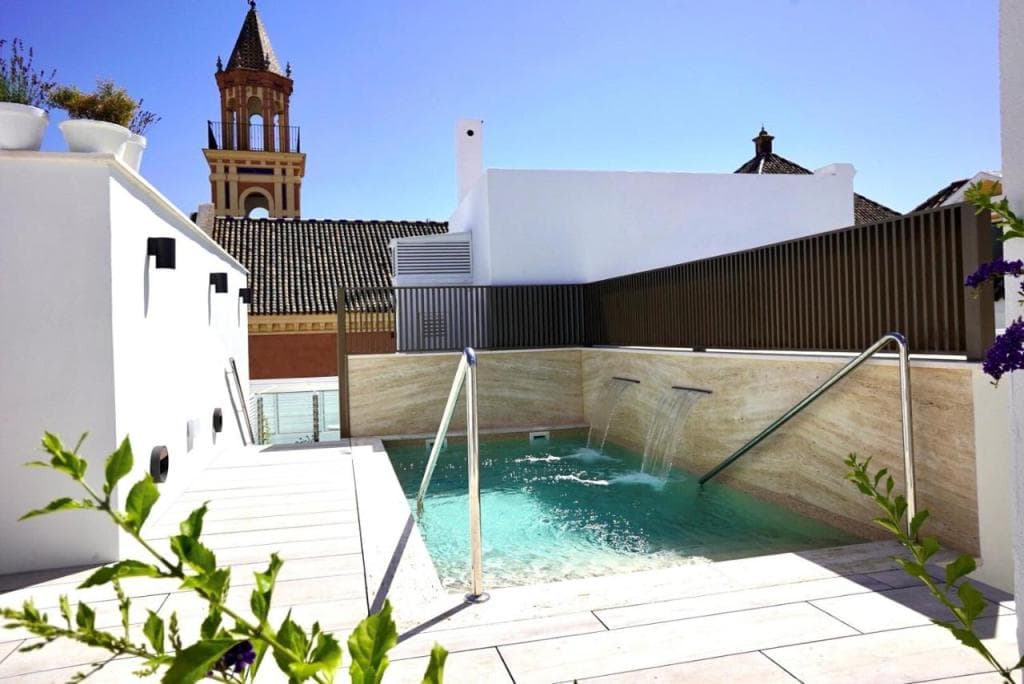
## Elegant Accommodations Cavalta Boutique Hotel in Seville offers a 5-star experience with a rooftop swimming pool, sun terrace, restaurant, bar, and free WiFi. Private check-in and check-out servic

 Triana12 rooms
## Elegant Accommodations Cavalta Boutique Hotel in Seville offers a 5-star experience with a rooftop swimming pool, sun terrace, restaurant, bar, and free WiFi. Private check-in and check-out servic
Old Town, Santa Cruz21 rooms## Elegant Accommodations Mercer Plaza Sevilla in Seville offers a 5-star experience with a rooftop swimming pool, sun terrace, restaurant, bar, and free WiFi. Guests enjoy air-conditioned rooms with
Nervión195 roomsOnly YOU Hotel Sevilla is located in an excellent location, in front of the Santa Justa Station and just 15 minutes walk from the historic center of the city. The hotel is also within walking distance
Old Town5 rooms## Elegant Accommodations Cristine Bedfor Sevilla Boutique Hotel in Seville offers a 4-star experience with a rooftop swimming pool, sun terrace, restaurant, bar, and free WiFi. ## Comfortable Ameni
Old Town10 rooms## Comfortable Accommodations Vincci Molviedro in Seville offers air-conditioned rooms with private bathrooms, tea and coffee makers, and free WiFi. Each room includes a work desk, mini-bar, and soun
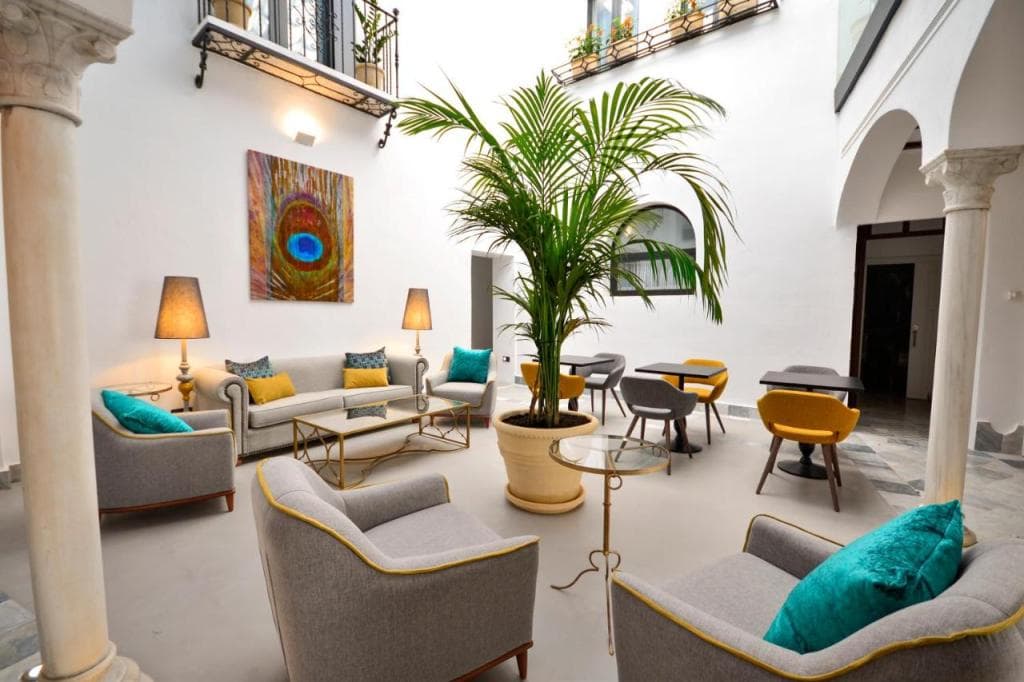
Old Town41 roomsThis beautiful, traditional Andalusian house is located in Seville’s old town, just 10 minutes’ walk from the cathedral. Set around a charming interior courtyard, it offers a rooftop swimming pool and
Old Town, Santa Cruz15 roomsHotel Alfonso XIII, a Luxury Collection Hotel, Seville is located next to Seville’s Real Alcazares. It offers an outdoor swimming pool, gym and a characteristic garden courtyard with fountain. Rooms
Old Town, Santa Cruz30 rooms## Exceptional Facilities Hotel Casa 1800 Sevilla in Seville offers a rooftop swimming pool, sun terrace, restaurant, bar, and free WiFi. Additional amenities include a fitness center, spa, and outdo
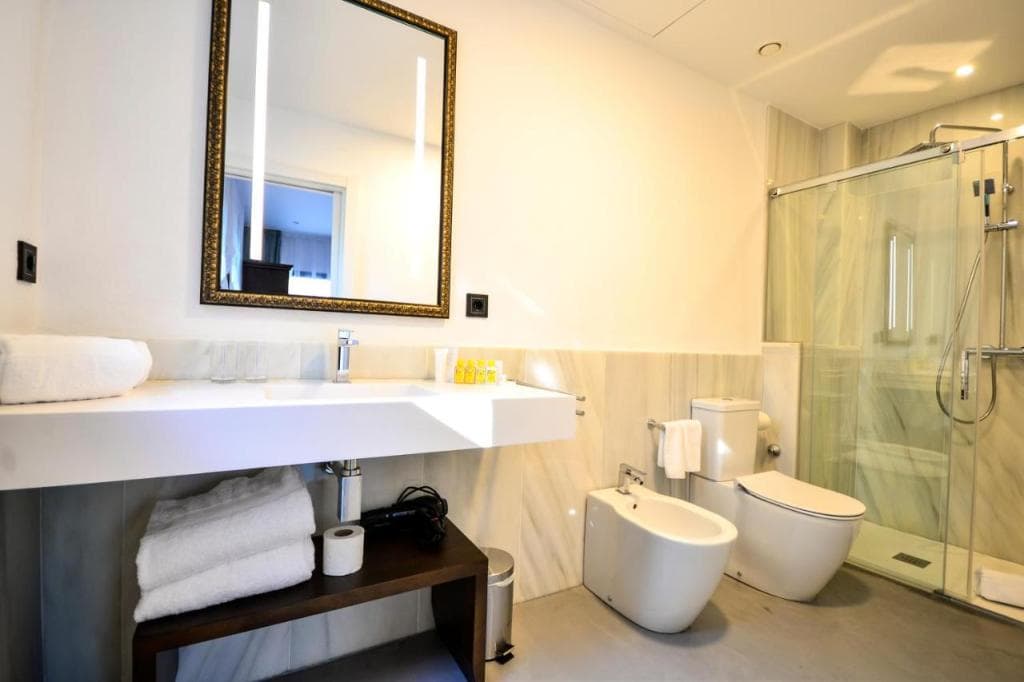
Alameda, Old Town12 roomsThe Corner House is located in the center of Seville, 10 minutes' walk from Metropol Parasol. It offers rooms with air conditioning, as well as a balcony and free WiFi. Each room has a private bathro
Old Town, Santa Cruz18 roomsLegado Alcazar Hotel is set in Seville, 656 feet from Archivo de Indias and 2953 feet from Triana Bridge - Isabel II Bridge. Guests can enjoy the on-site bar. Each room at this hotel is air condition
Old Town77 rooms## Exceptional Facilities H10 Casa de la Plata in Seville offers a rooftop swimming pool, terrace, bar, and free WiFi. Guests can also enjoy a pool bar, family rooms, and a tour desk. ## Comfortable
Old Town30 rooms## Exceptional Facilities Vincci Selección Unuk 5 GL in Seville offers a rooftop swimming pool, sauna, fitness center, sun terrace, restaurant, bar, and free WiFi. Private check-in and check-out, a l
Old Town26 rooms## Central Location Petit Palace La Campana in Seville offers a central location with Plaza de Armas a 14-minute walk away and the Royal Alcázar of Seville an 18-minute stroll. Nearby attractions inc
Old Town63 rooms## Central Location Petit Palace Catedral anteriormente Soho Boutique Catedral in Seville offers a central base with attractions such as the Royal Alcázar of Seville (2625 feet) and Plaza de Armas (1
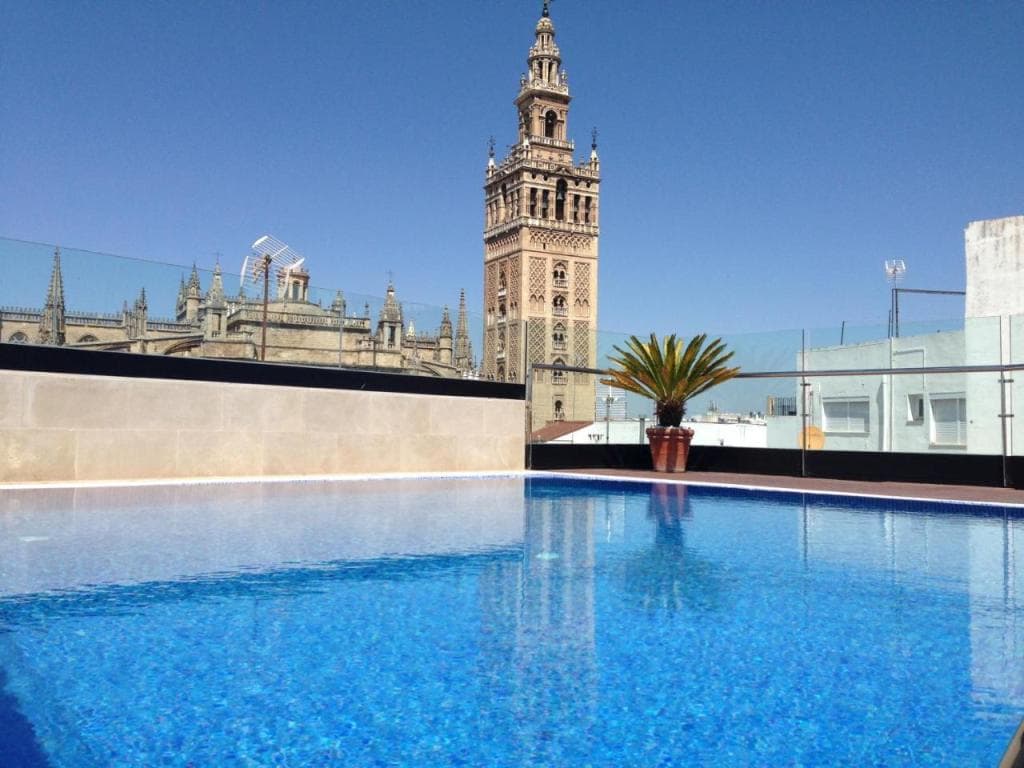
Old Town42 roomsLocated just 492 feet from Seville Cathedral, in the Santa Cruz District, this hotel’s roof terrace offers views of the Giralda Bell Tower. All air-conditioned rooms have satellite TV and free WiFi.
Results 1 - 15
Seville has built a discreet but solid reputation as one of Andalusia's most welcoming destinations for LGBTQ+ visitors. Hotels in the historic centre, around the Cathedral and along the Alameda, are used to hosting same-sex couples and offer the kind of personal attention typical of southern Spain, with concierges who know the queer venues, the late dinner spots and the quietest patios for an afternoon siesta.
Staying in a gay-friendly address also means being within walking distance of the main landmarks. Most properties sit inside the old town or just across the river in Triana, allowing guests to move on foot between the Real Alcázar, the Metropol Parasol and the riverside promenade where locals gather at sunset.
The Alameda de Hércules is the heart of Seville's LGBTQ+ life. This long, tree-lined square north of the centre is lined with terraces, mixed bars and clubs that fill up from late evening until the early hours. Venues such as Itaca and a constellation of cocktail bars around Calle Amor de Dios and Calle Trajano host a relaxed crowd where locals, students and travellers mingle without strict codes.
Beyond the Alameda, the streets of Macarena and the area near the Setas offer a slower, more bohemian experience, with vermouth bars, independent bookshops and small flamenco tablaos. Triana, on the opposite bank, adds its ceramic workshops and traditional taverns where the guitar still rules the night.
Few European cities concentrate so much architecture in such a compact area. The Real Alcázar, with its Mudéjar palaces and water gardens, sits next to the Gothic Cathedral and the Giralda, the former minaret turned bell tower. A short walk away, the Plaza de España displays its half-moon of tiled benches representing every Spanish province.
Crossing the Isabel II bridge leads to Triana, the cradle of flamenco and bullfighting families, where the Mercado de Triana and the Castillo de San Jorge tell the layered history of the city. The Museo de Bellas Artes, second only to the Prado in its collection of Spanish painting, completes a cultural itinerary that easily fills several days.
Spring and early autumn are the most comfortable seasons, with mild evenings ideal for terrace dining. Holy Week and the Feria de Abril transform the city with processions, horse carriages and flamenco dresses, while Pride celebrations in late June bring a parade and open-air events around the Alameda. Summer is intensely hot, but hotels with patios, plunge pools and thick traditional walls turn the heat into part of the Sevillian experience.