
Gay guest houses offer a different kind of welcome: smaller in scale, warmer in tone, and shaped by hosts who understand what travelling as an LGBTQ+ guest really means. Across coastal villages, capital cities and quiet countryside retreats, these properties combine the intimacy of a private home with the standards of refined hospitality. Mornings begin around a shared breakfast table, evenings around a garden or a fireplace, and conversations flow naturally between travellers and owners. For those seeking character, discretion and a genuine sense of community, guest houses remain one of the most rewarding ways to discover a destination.
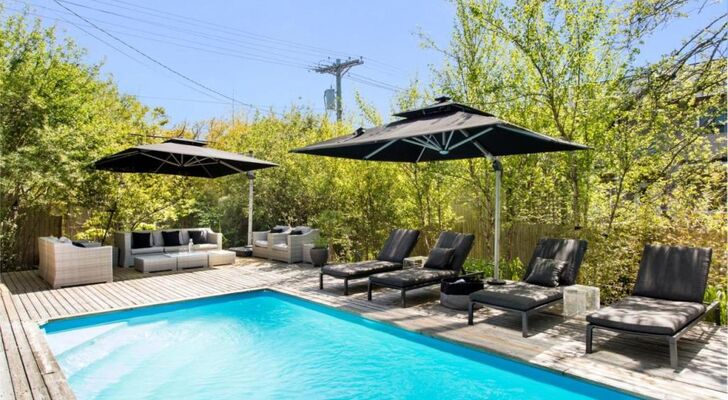
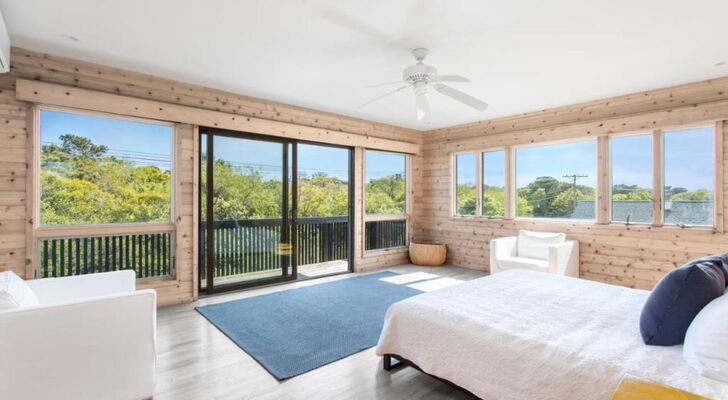
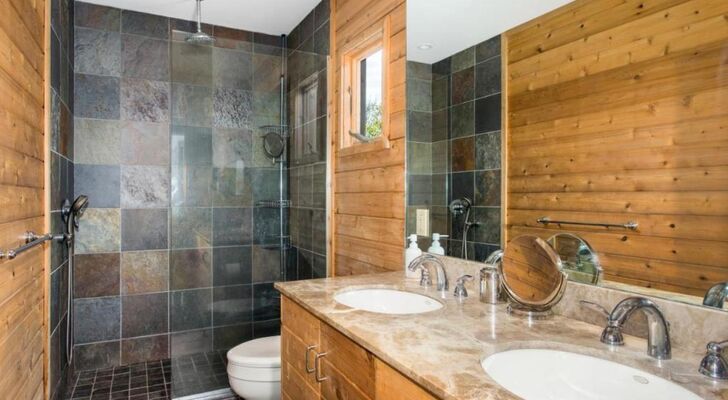
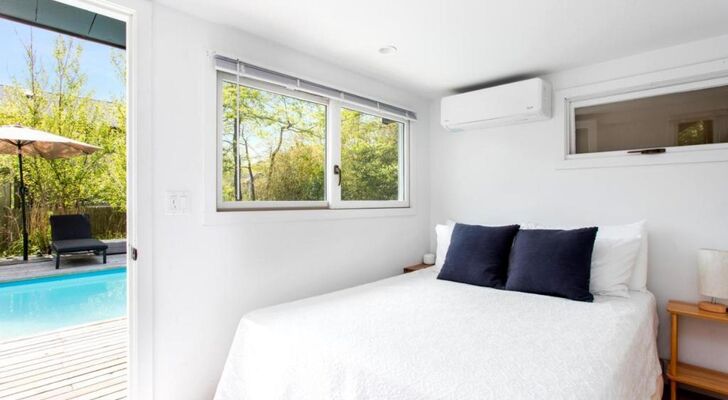
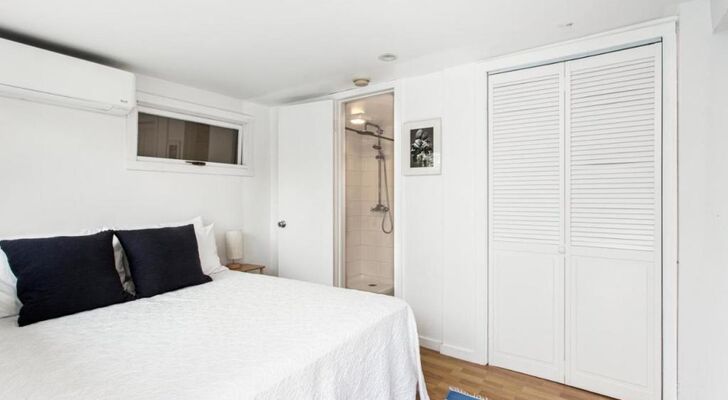
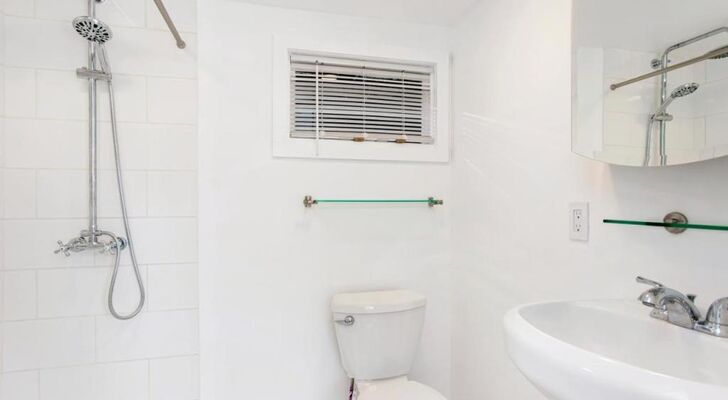
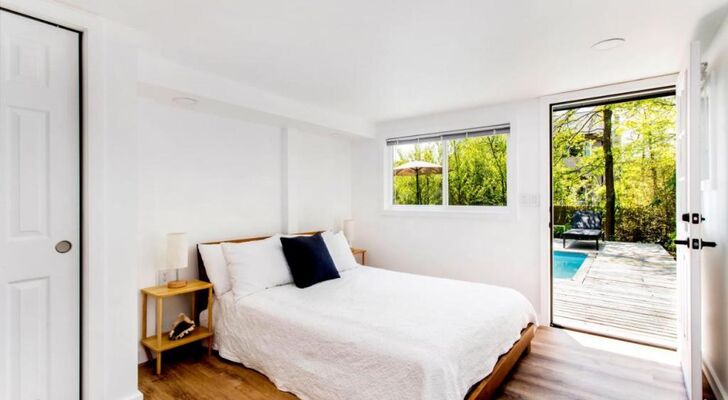
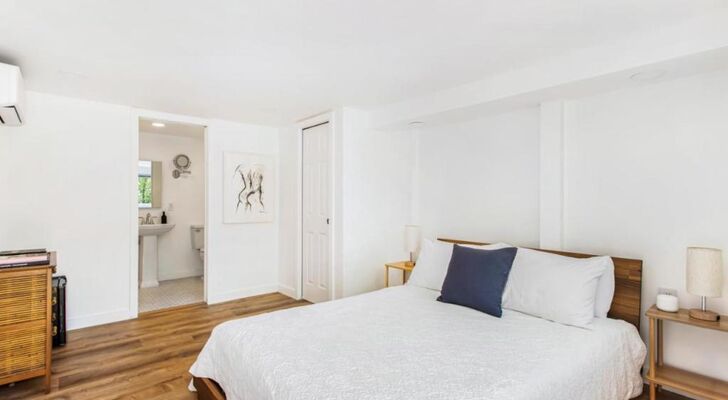
 Fire Island Pines — Fire Island, U.S.A. Show the map
 7 rooms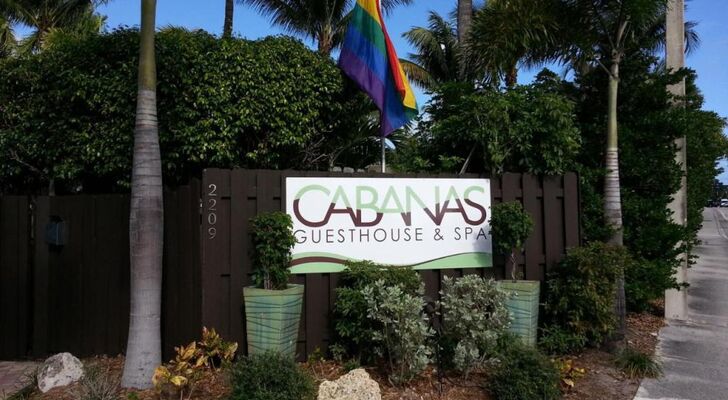
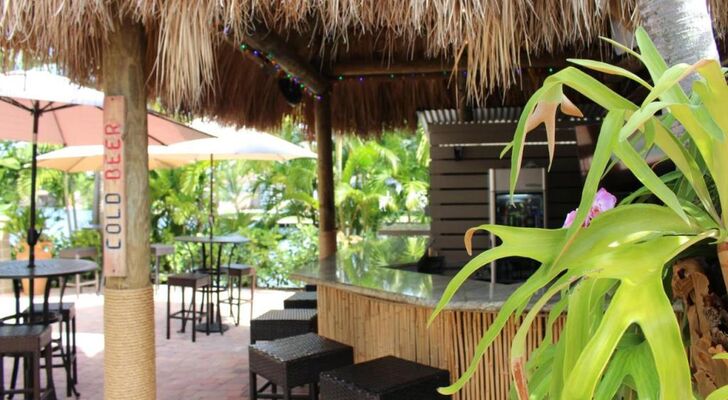
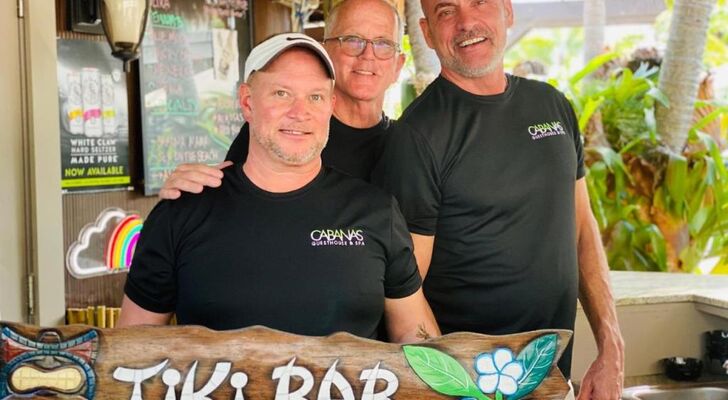
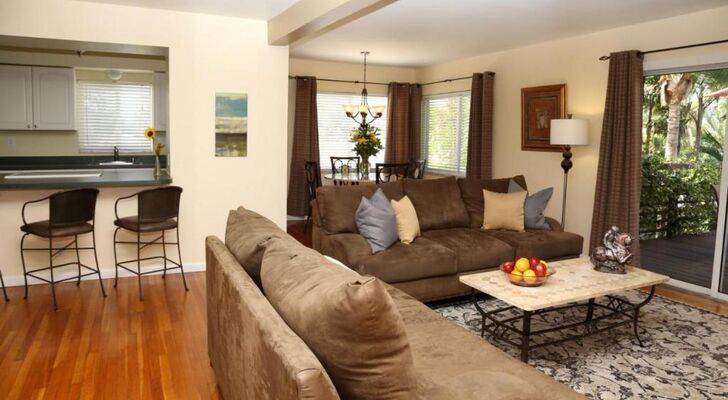
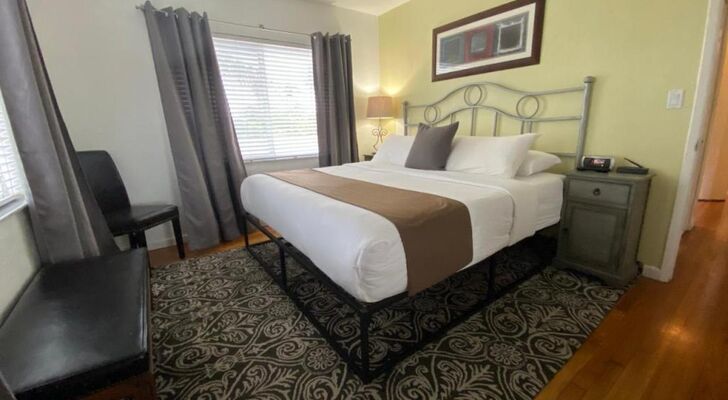
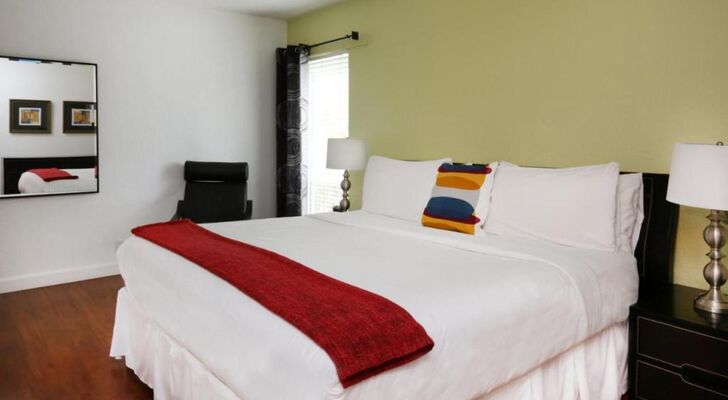
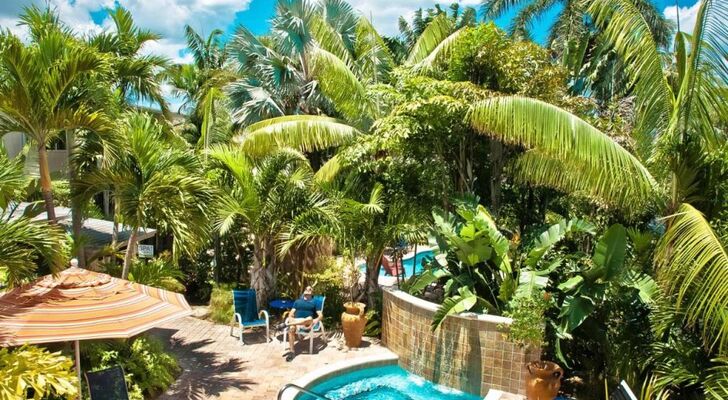
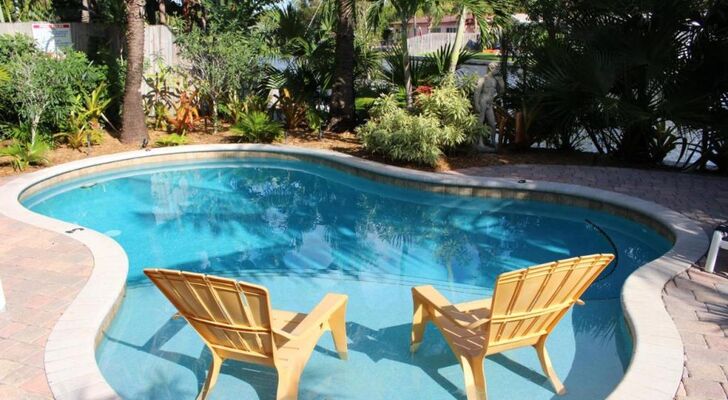 Fort Lauderdale — Broward County, U.S.A. Show the map
18 rooms
Fort Lauderdale — Broward County, U.S.A. Show the map
18 rooms 

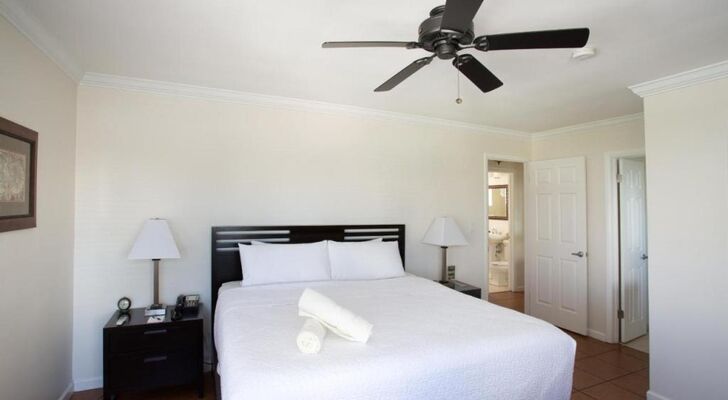
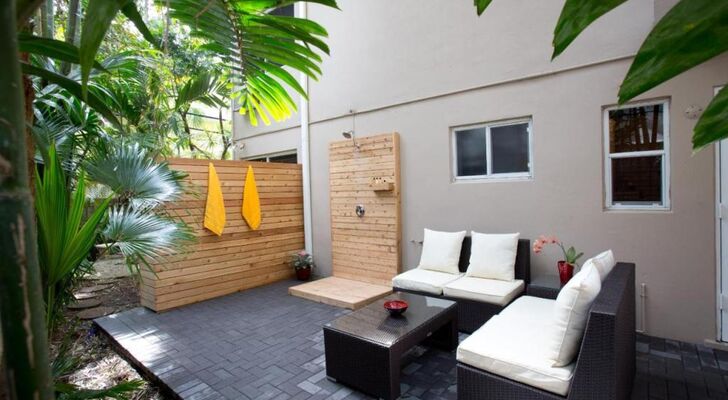
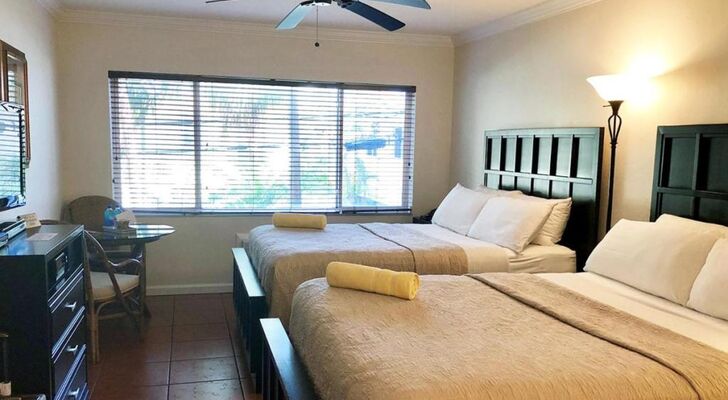
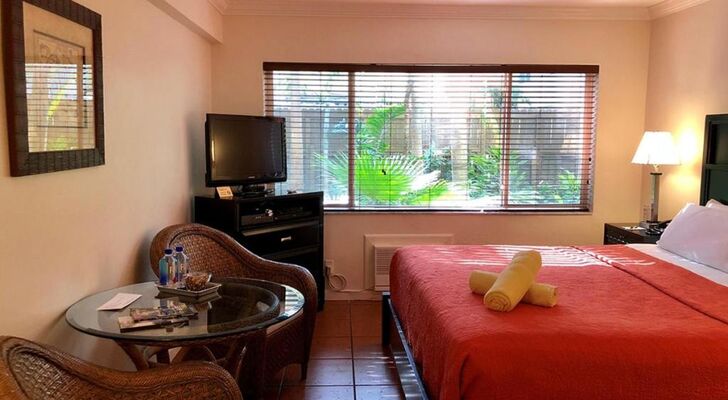
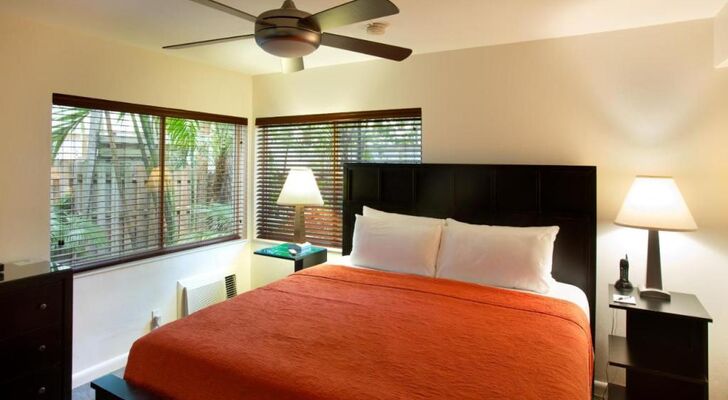
 Fort Lauderdale — Broward County, U.S.A. Show the map
23 rooms
Fort Lauderdale — Broward County, U.S.A. Show the map
23 rooms 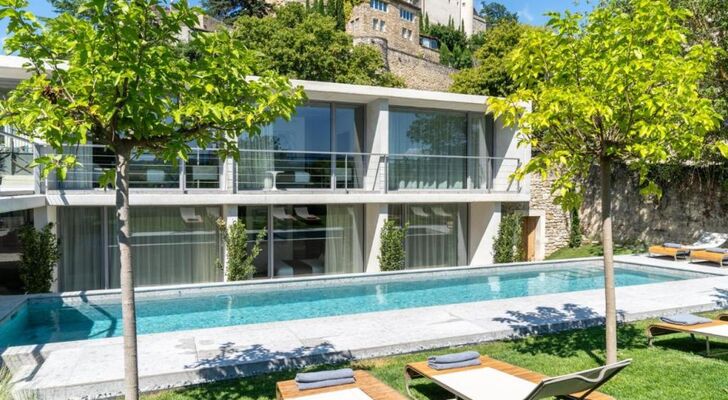
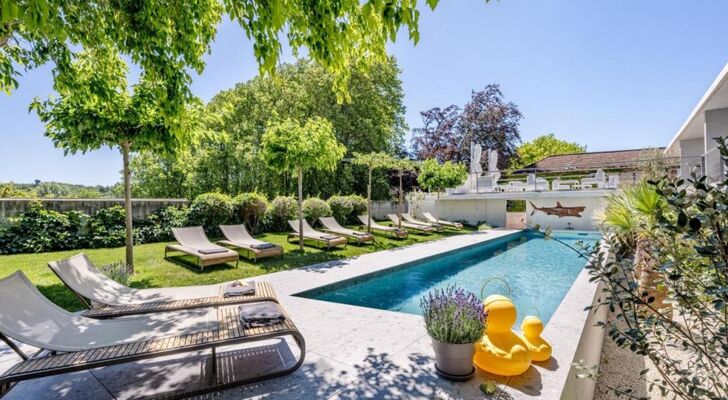
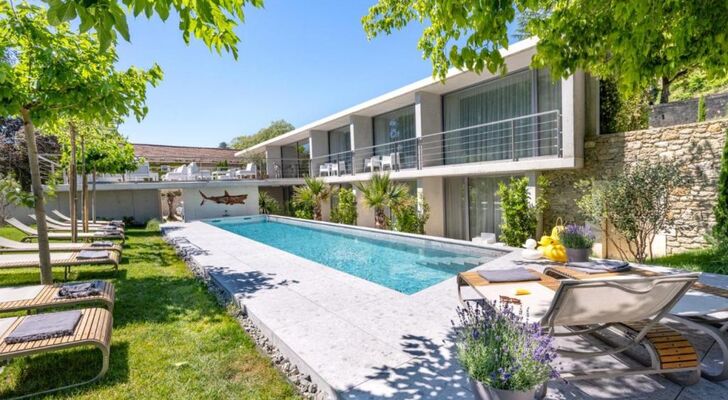
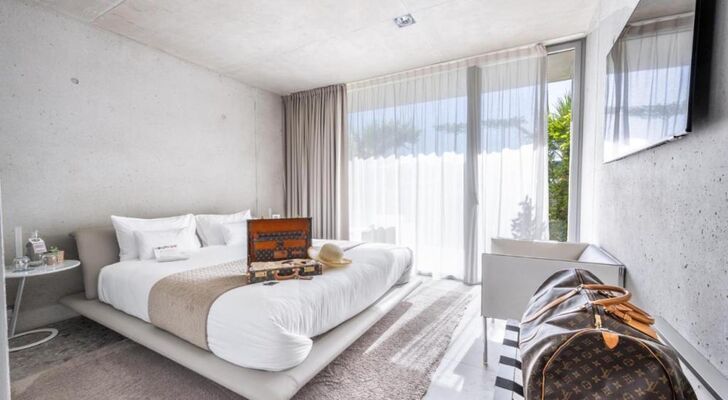
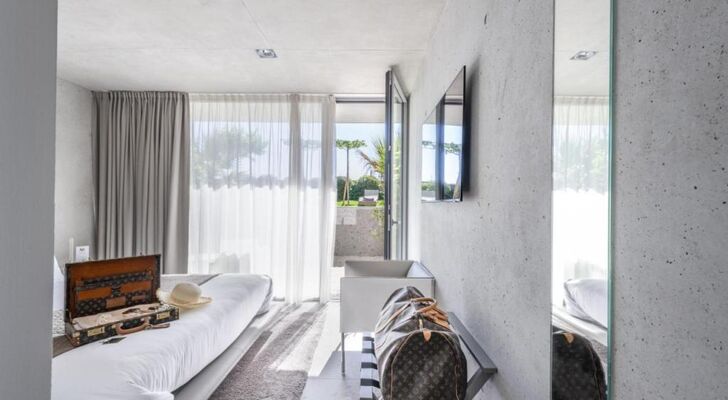
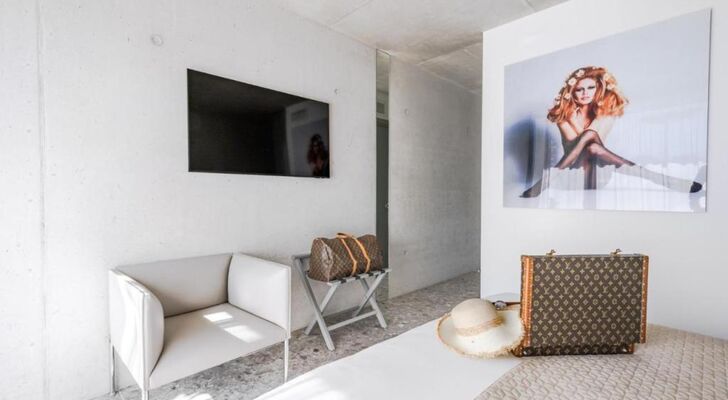
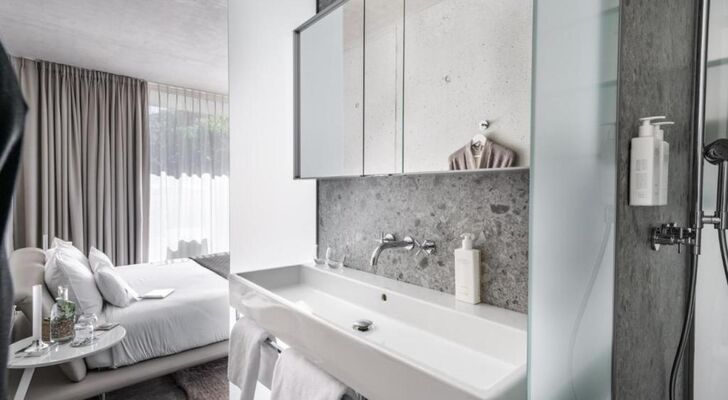
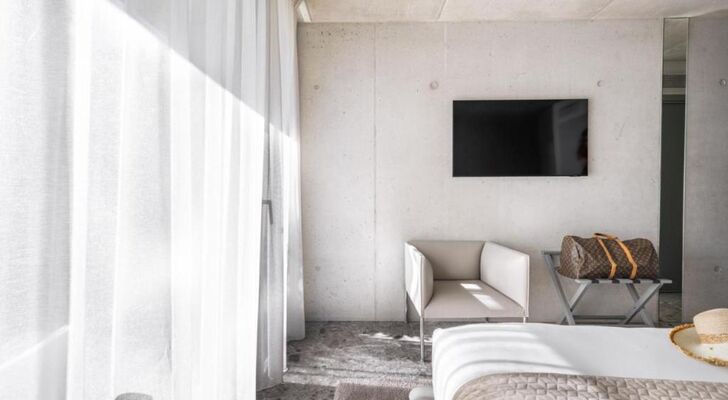 Grignan — Drôme, France Show the map
5 rooms
Grignan — Drôme, France Show the map
5 rooms 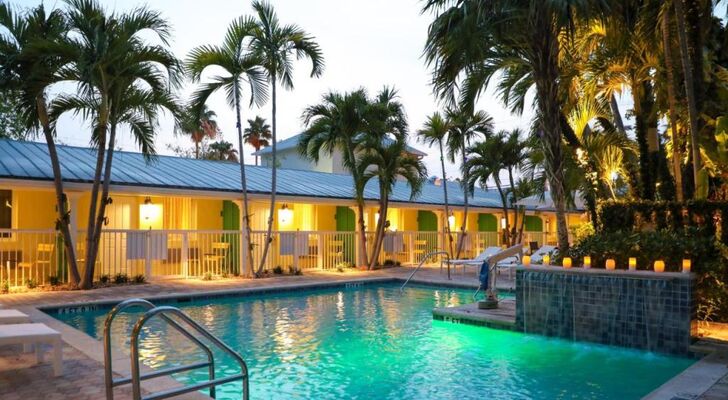
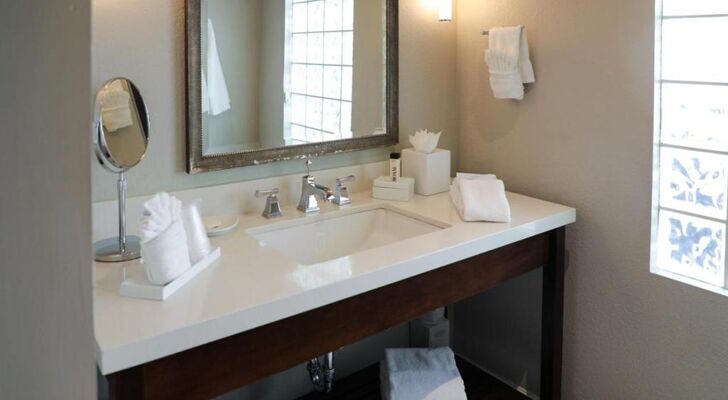
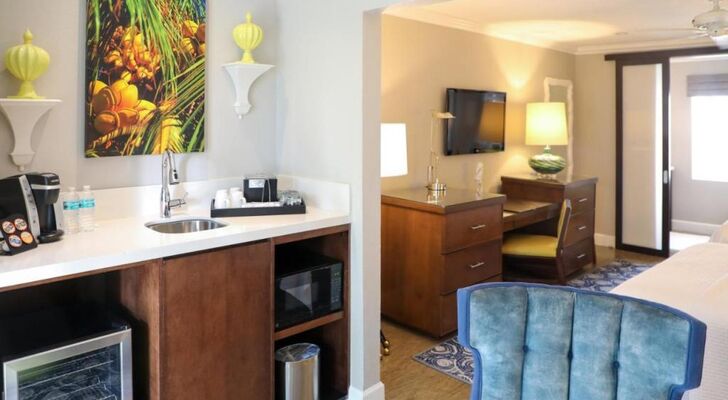
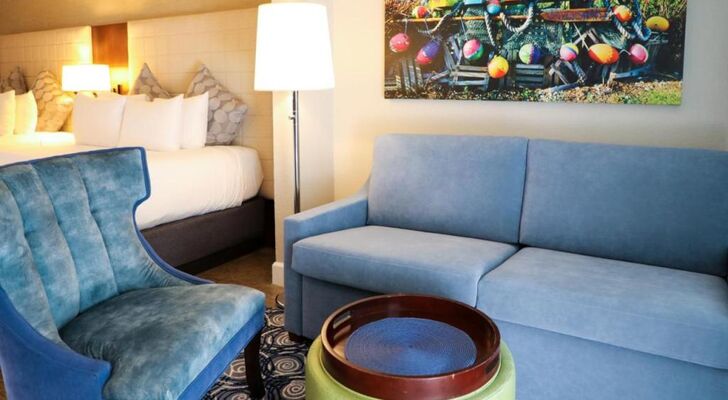
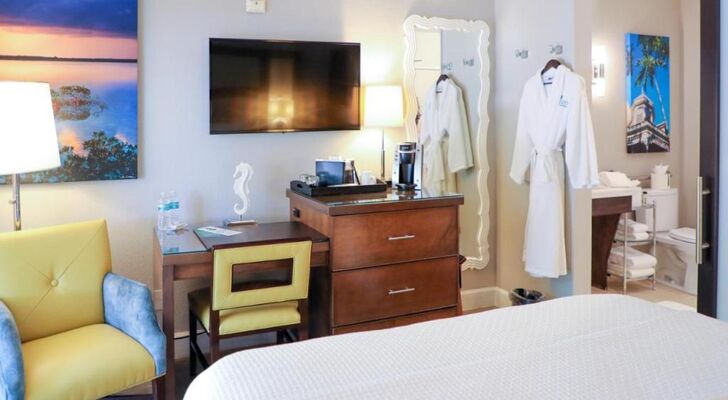
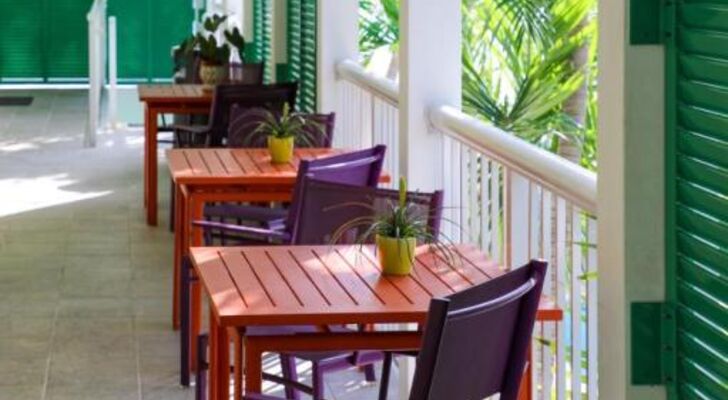
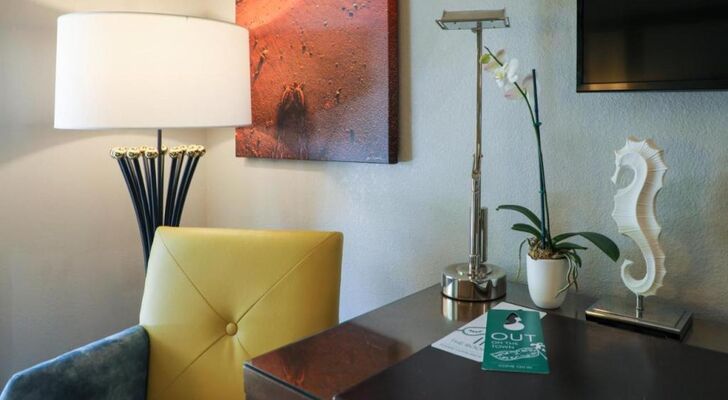
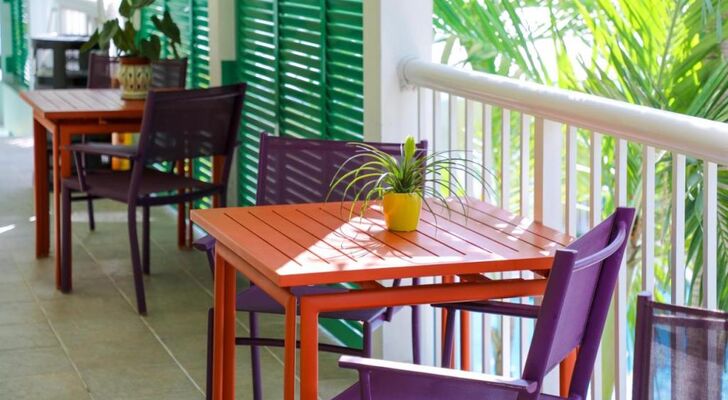 Key West — Dry Tortugas National Park, U.S.A. Show the map
22 rooms
Key West — Dry Tortugas National Park, U.S.A. Show the map
22 rooms 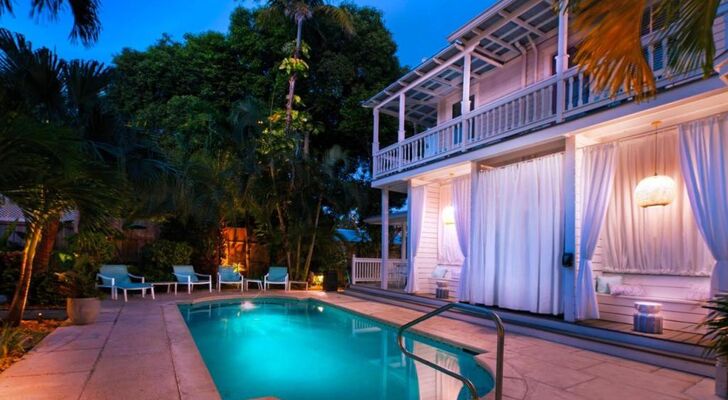
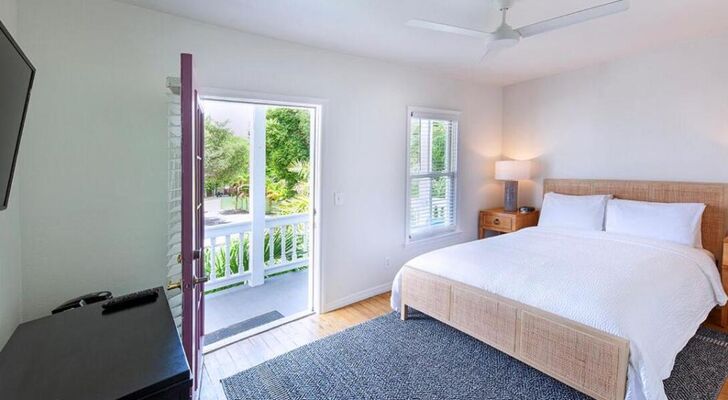
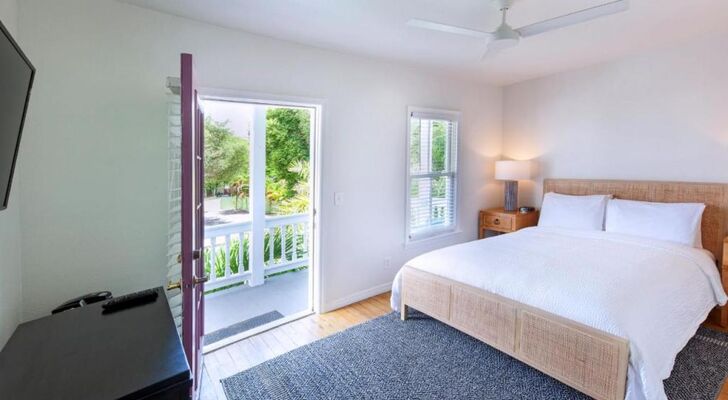
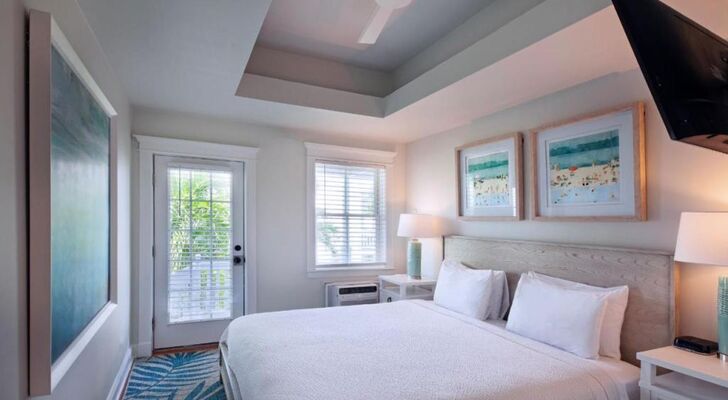
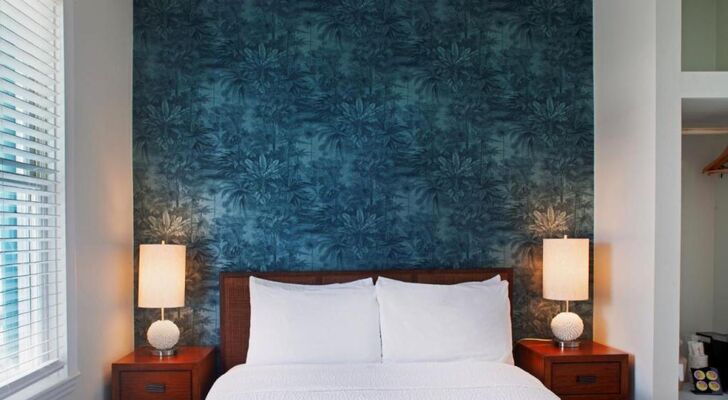
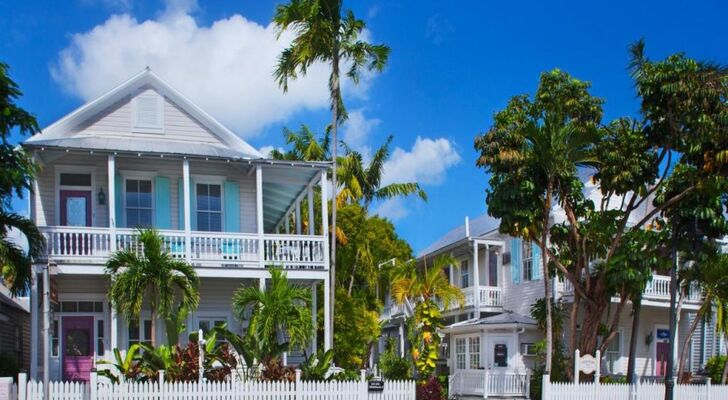
 Key West — Dry Tortugas National Park, U.S.A. Show the map
12 rooms
Key West — Dry Tortugas National Park, U.S.A. Show the map
12 rooms 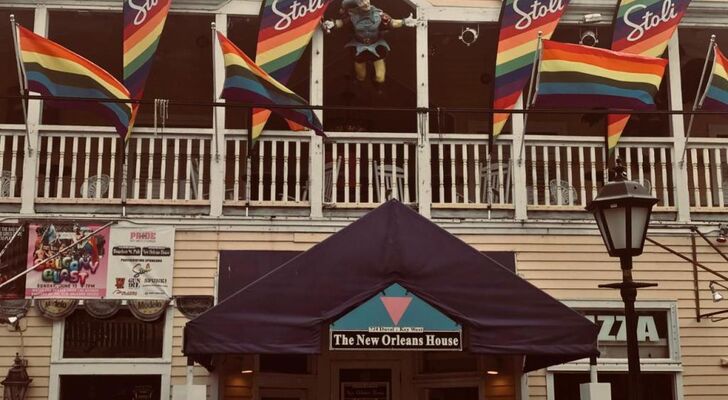
 Key West — Dry Tortugas National Park, U.S.A. Show the map
13 rooms
Key West — Dry Tortugas National Park, U.S.A. Show the map
13 rooms 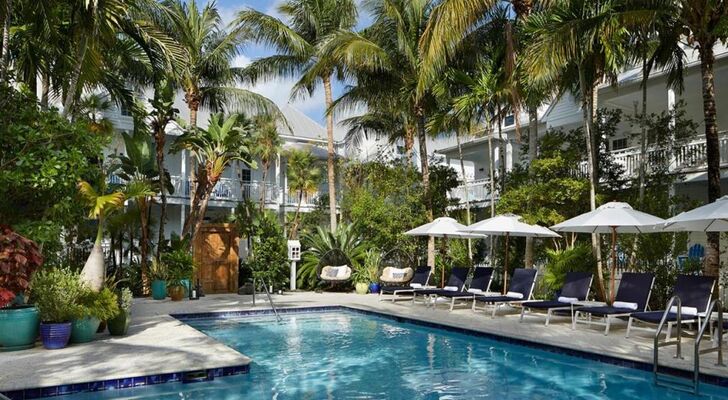
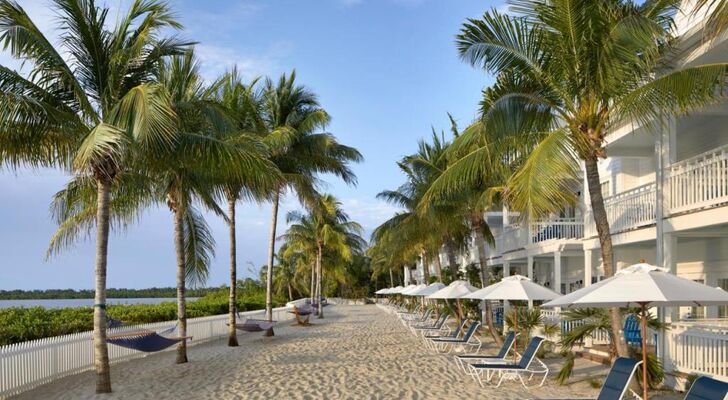
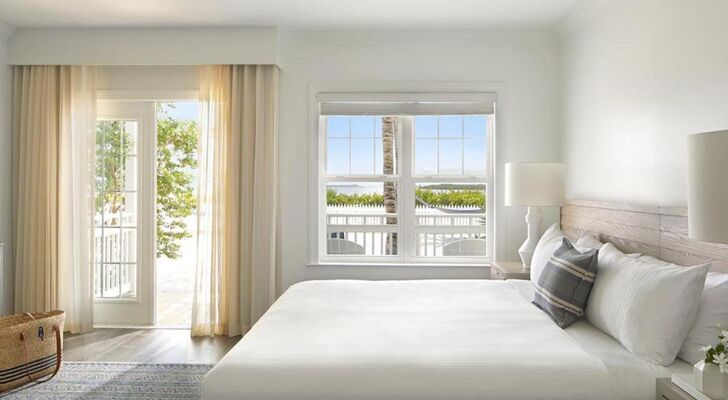
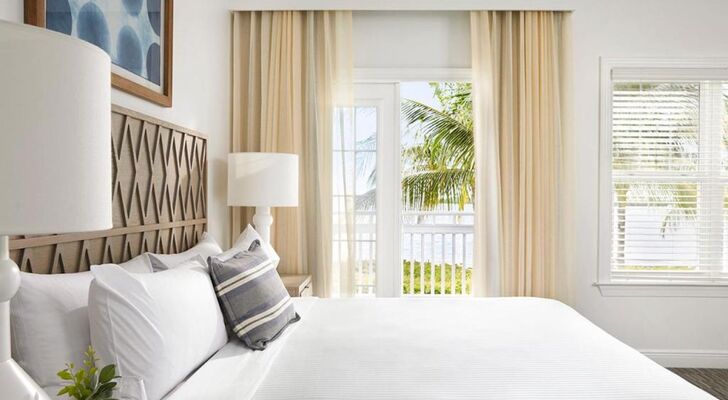
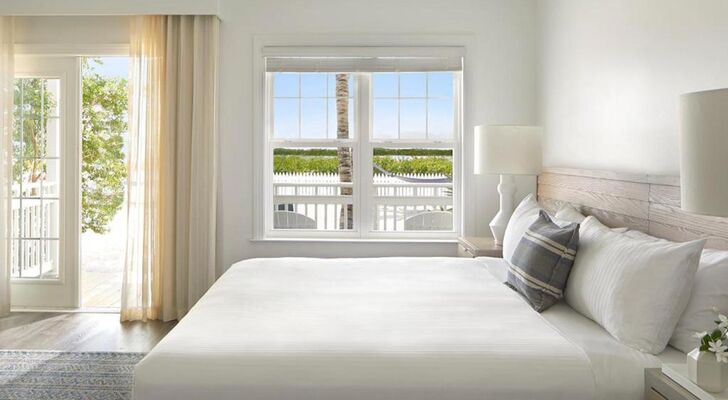
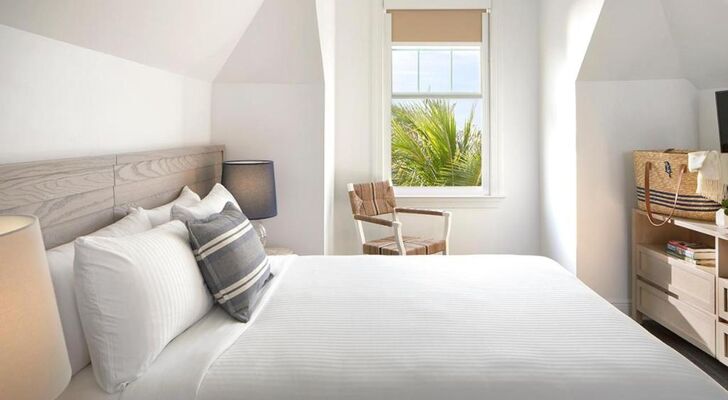
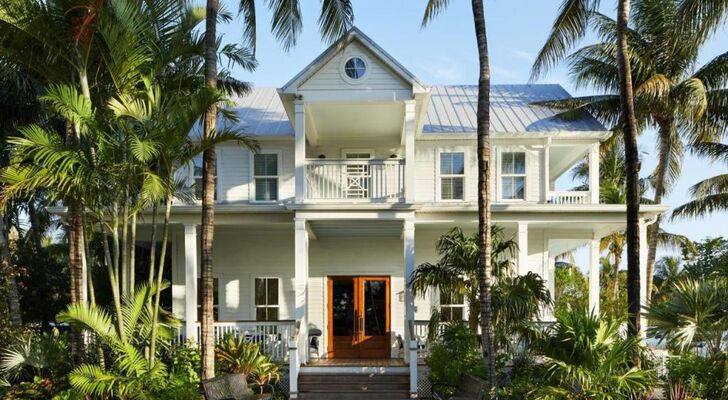
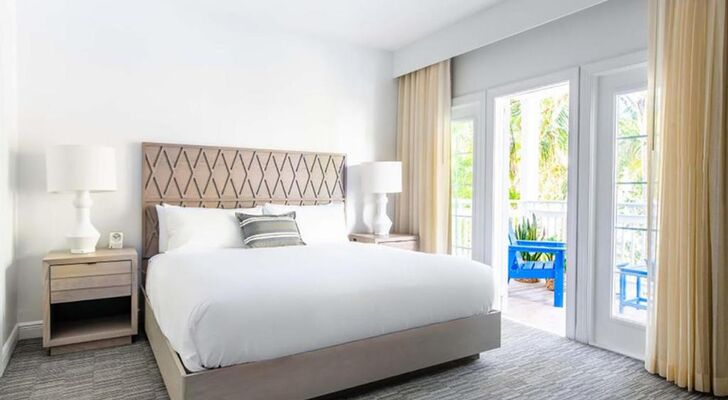 Key West — Dry Tortugas National Park, U.S.A. Show the map
262 rooms
Key West — Dry Tortugas National Park, U.S.A. Show the map
262 rooms 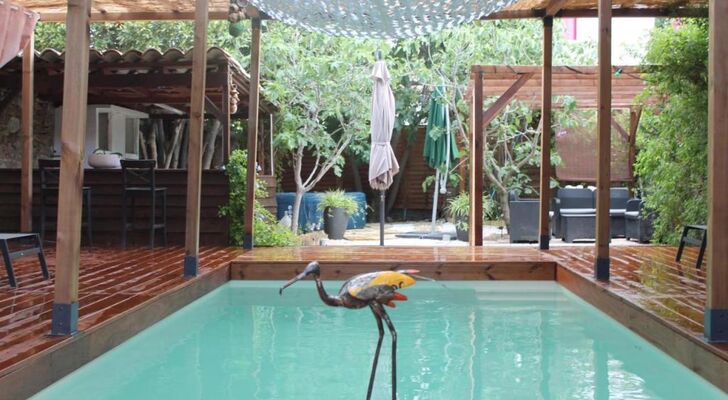
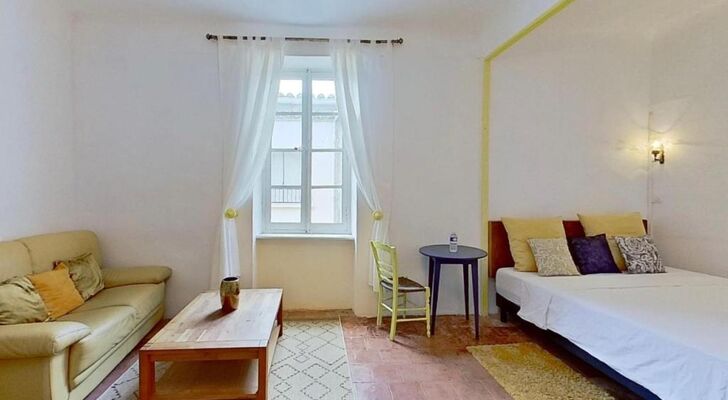
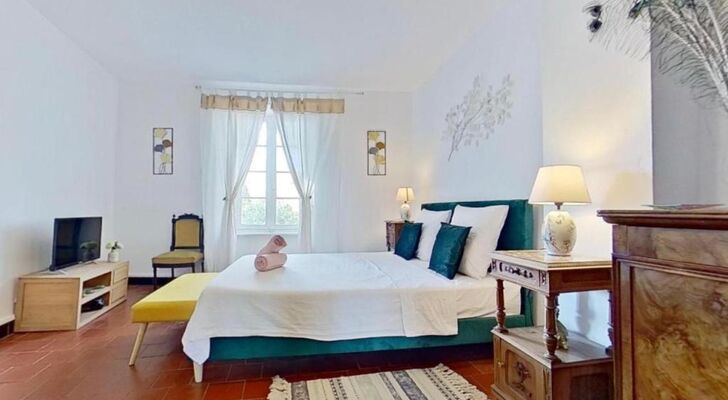
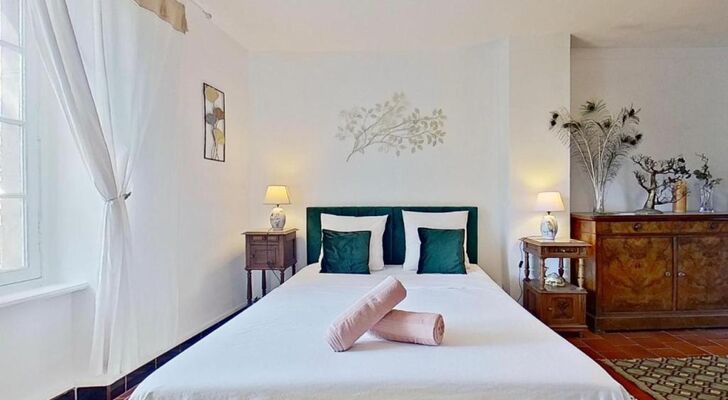
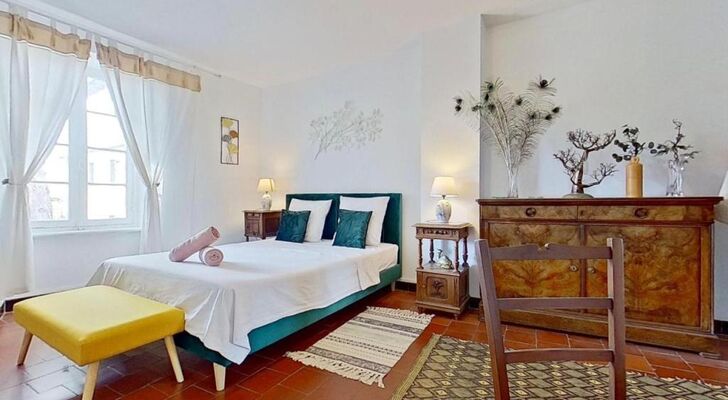
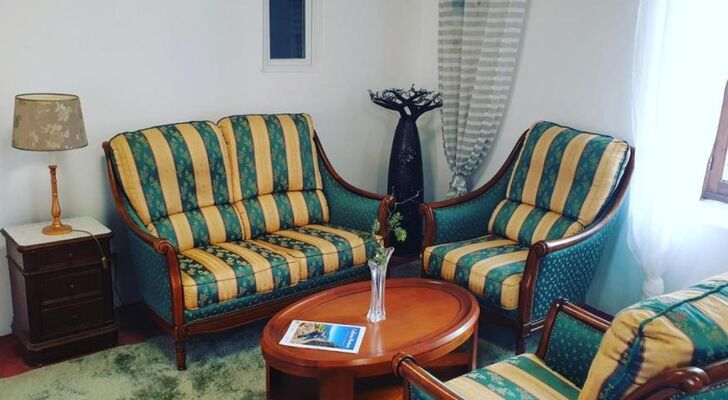
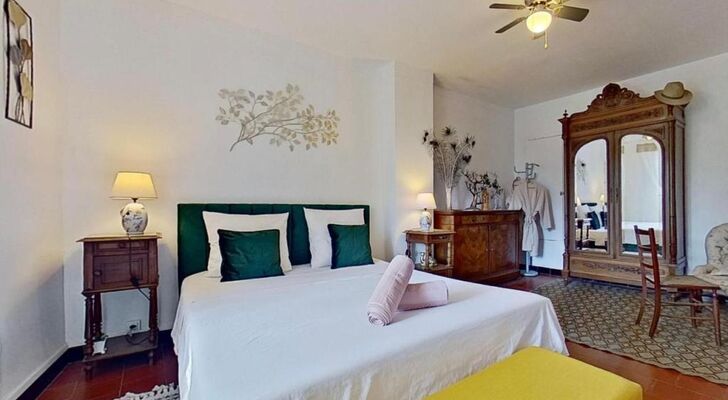
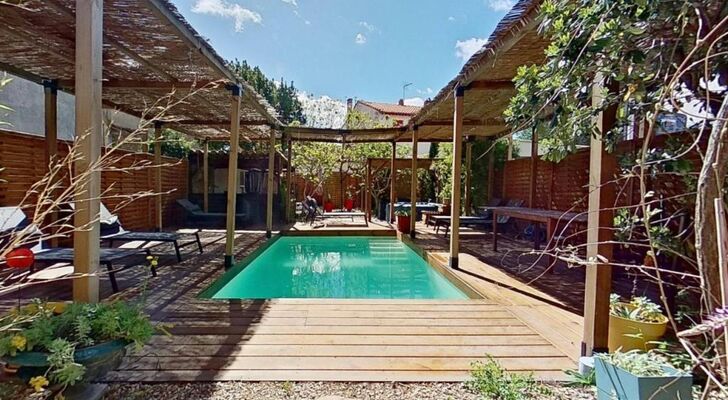 Luc-sur-Orbieu — France Show the map
5 rooms
Luc-sur-Orbieu — France Show the map
5 rooms 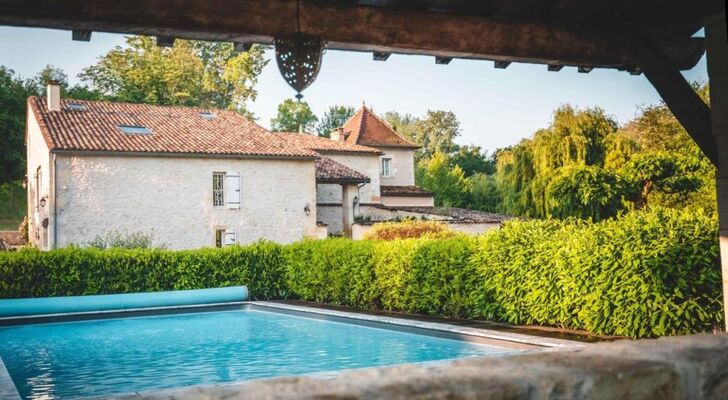
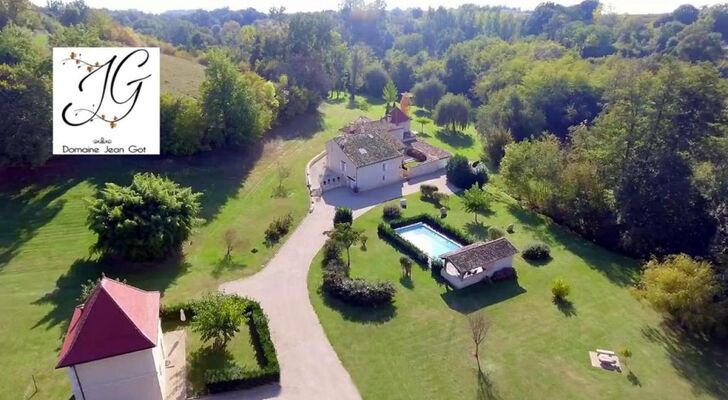
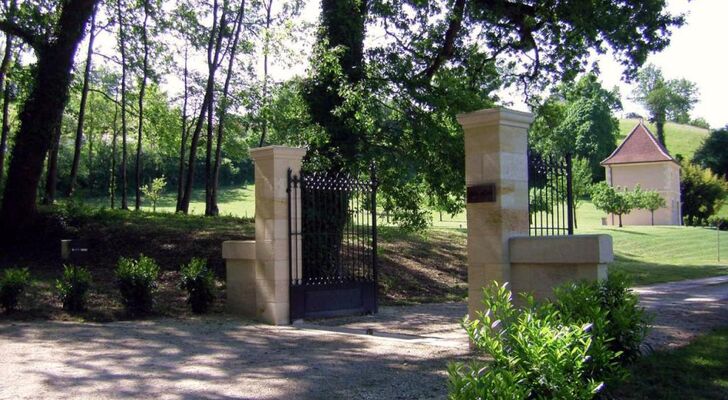
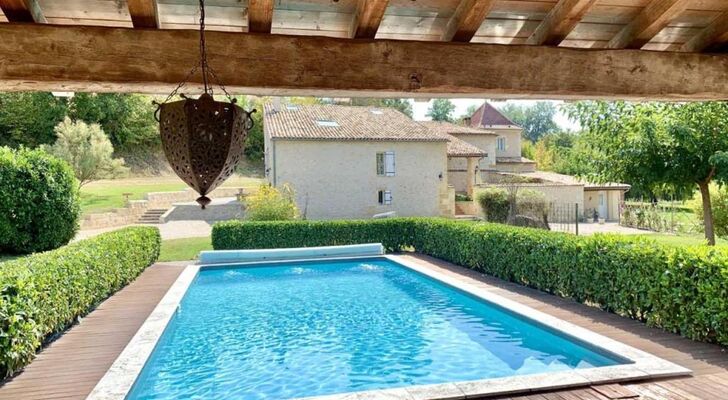
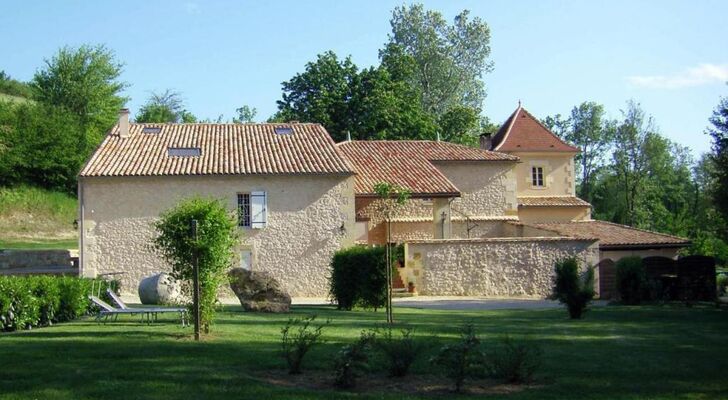
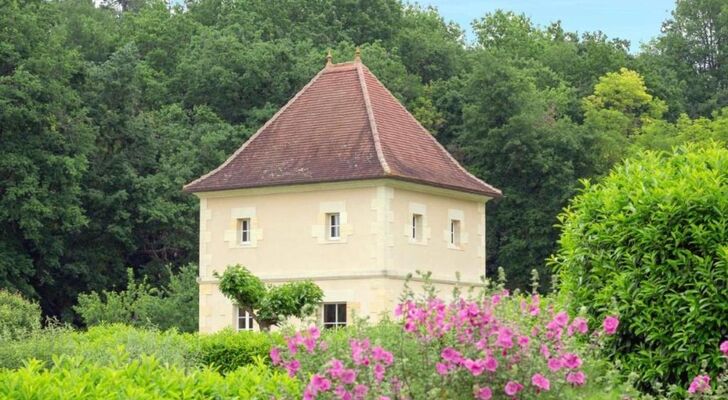
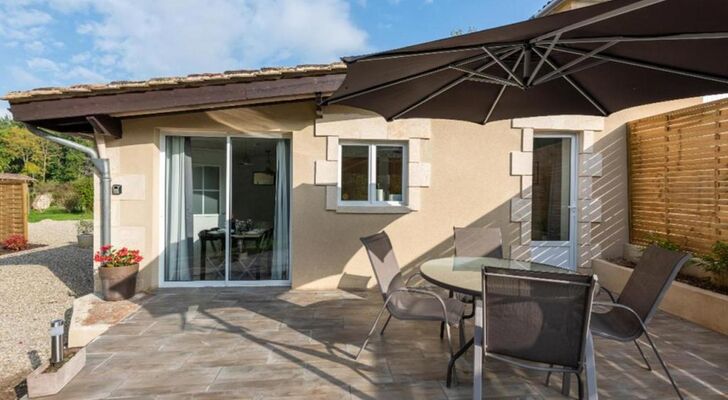
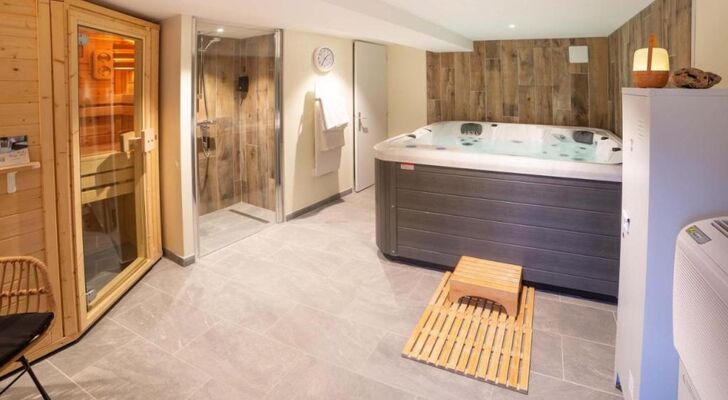 Lugaignac — France Show the map
3 rooms
Lugaignac — France Show the map
3 rooms 


 Montegrosso dʼAsti — Monferrato, Italy Show the map
1 room(s)
Montegrosso dʼAsti — Monferrato, Italy Show the map
1 room(s) 


 Orange — France Show the map
5 rooms
Orange — France Show the map
5 rooms 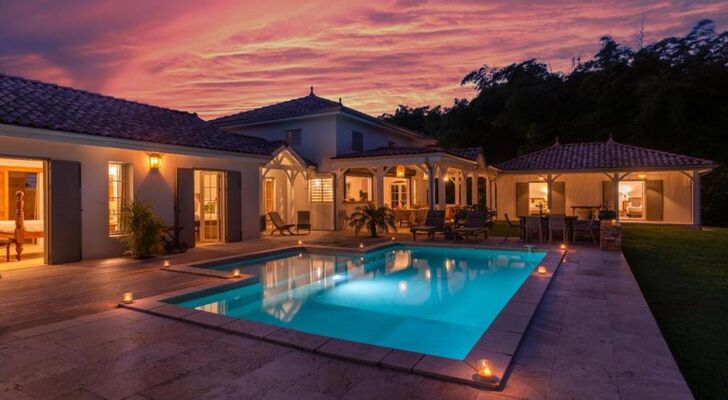
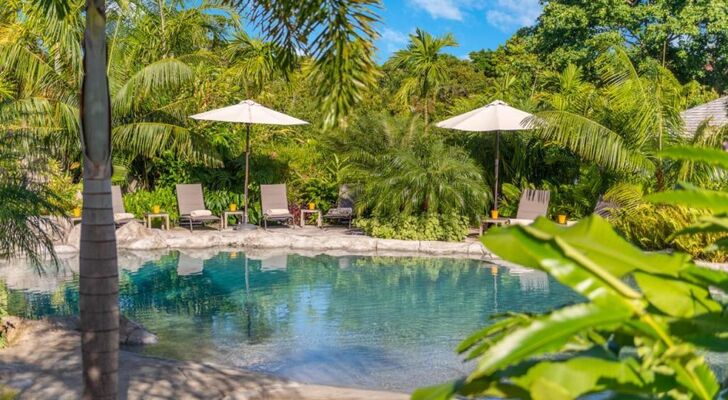
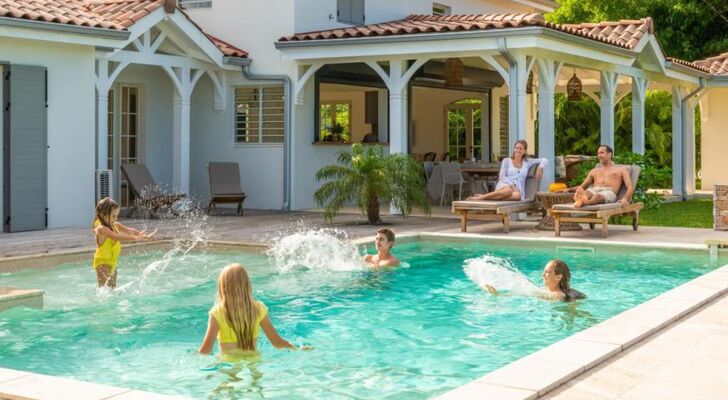
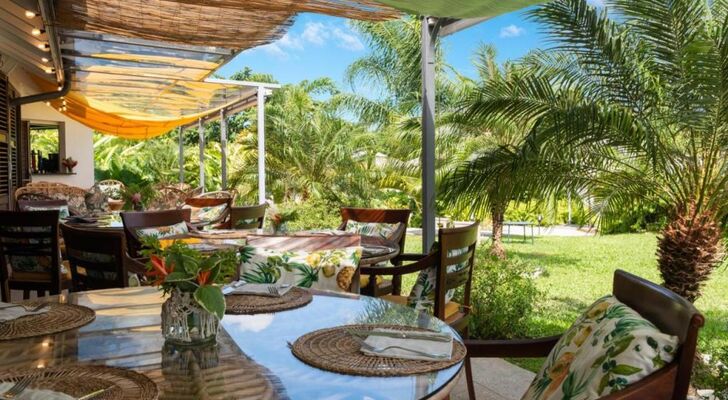
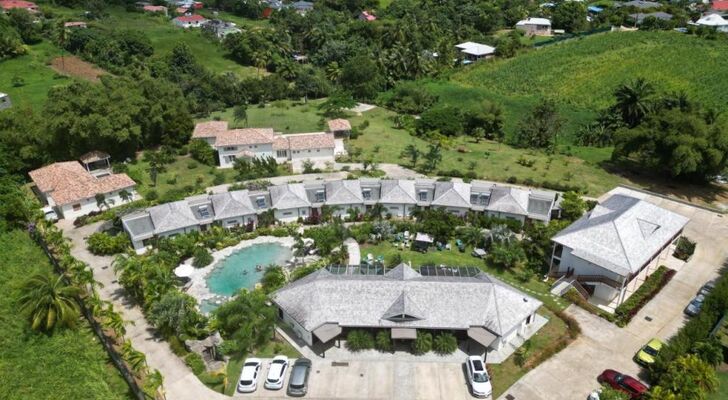
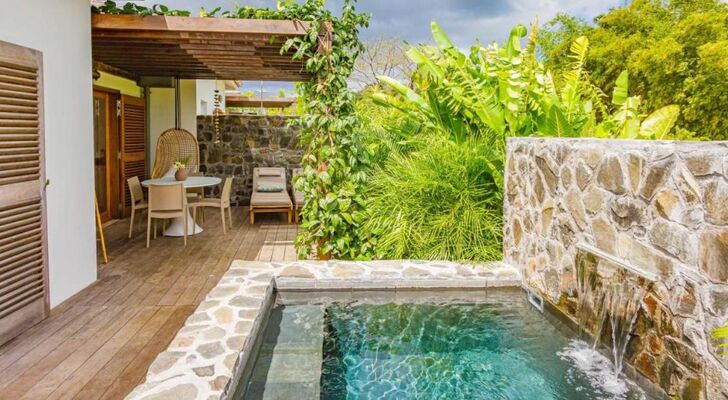
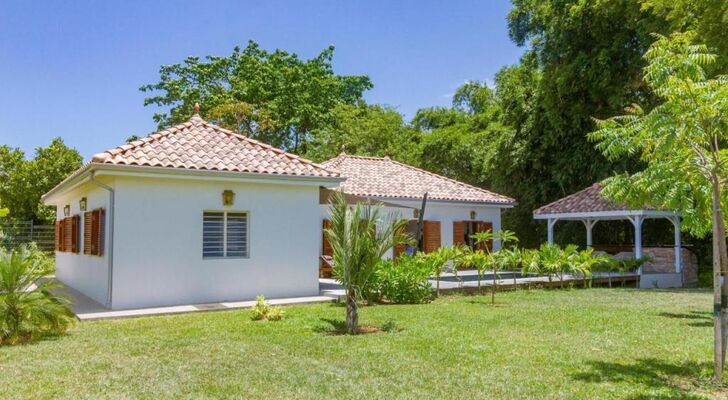
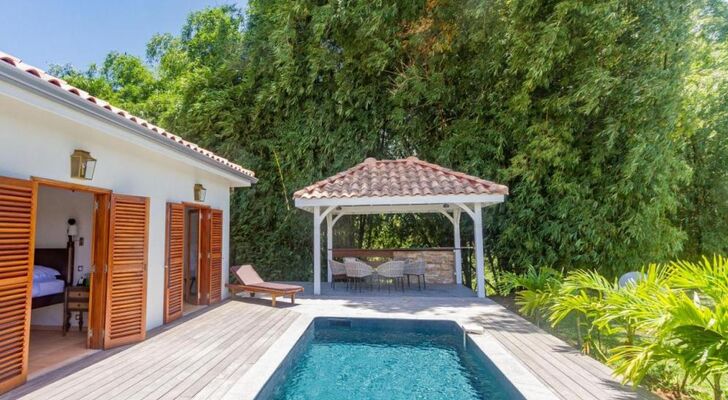 Petit-Bourg — Guadeloupe Show the map
19 rooms
Petit-Bourg — Guadeloupe Show the map
19 rooms 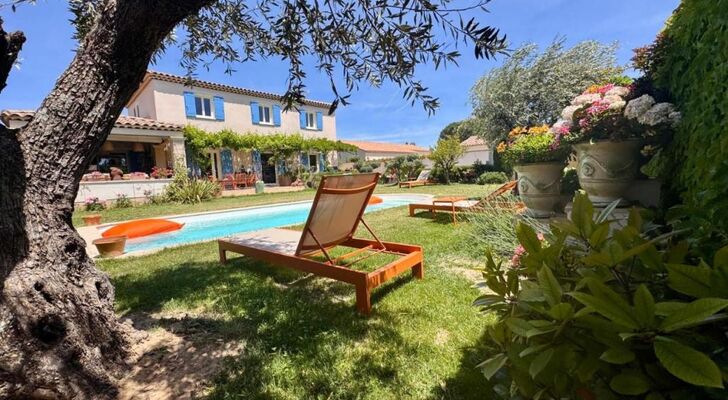
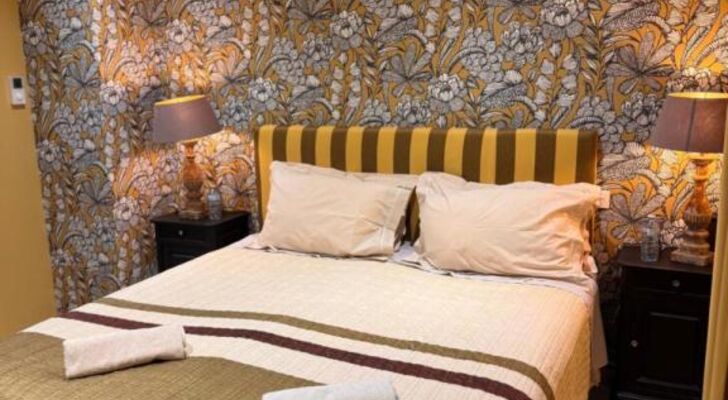
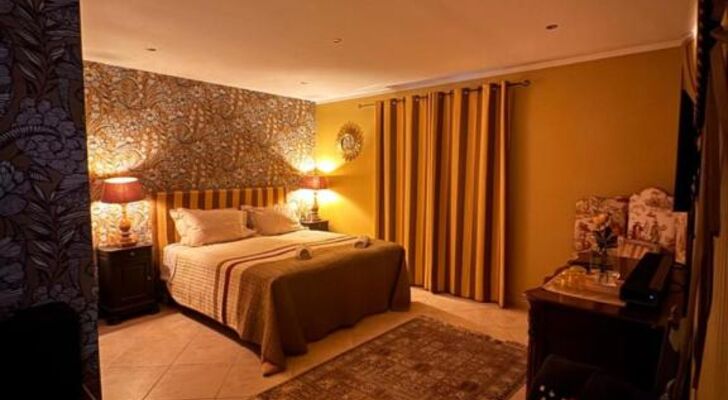
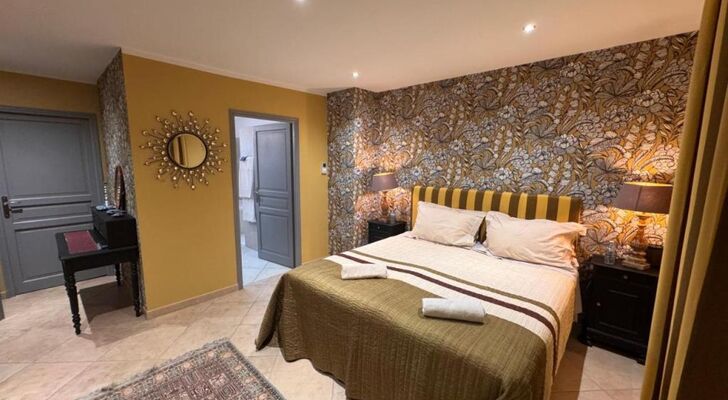
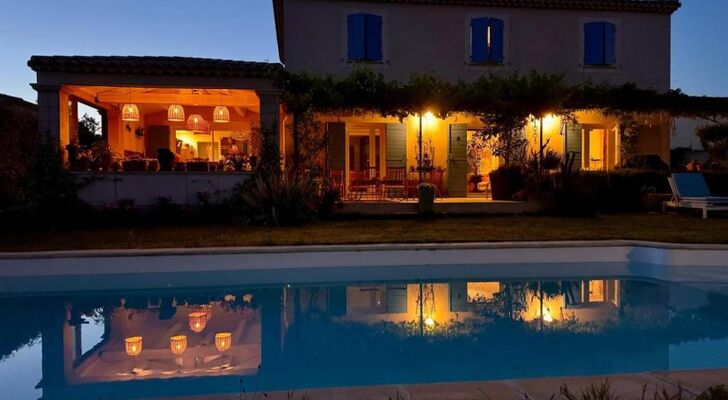
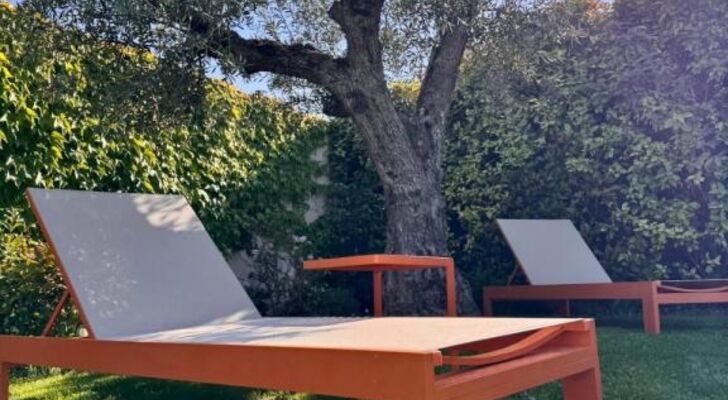
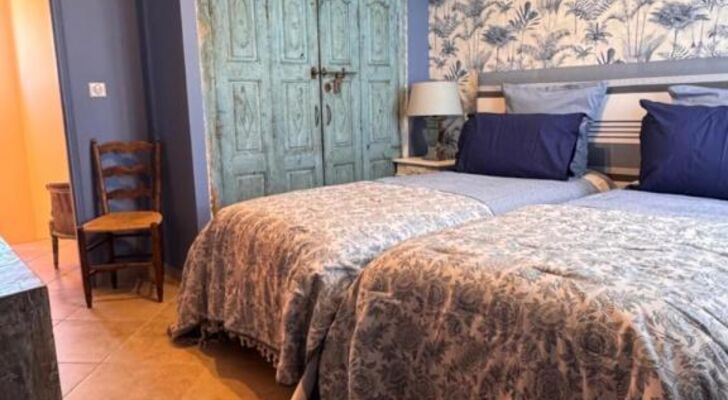
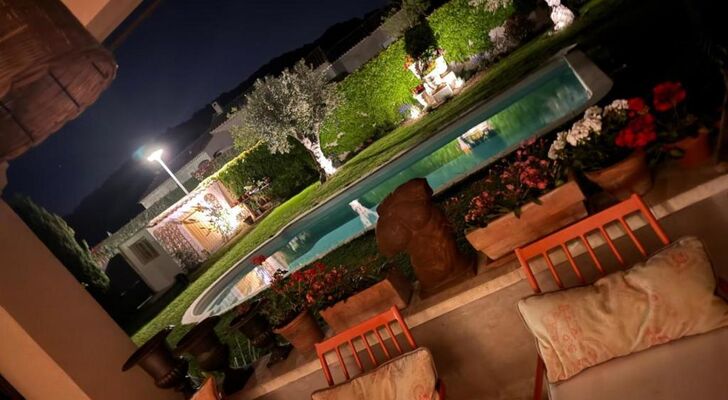 Plan-dʼOrgon — France Show the map
3 rooms
Plan-dʼOrgon — France Show the map
3 rooms 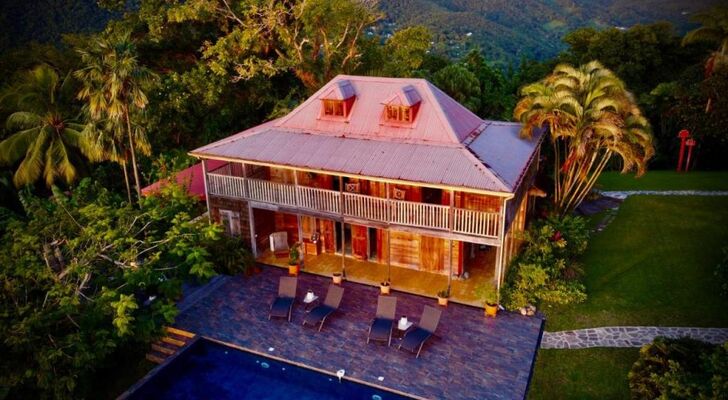
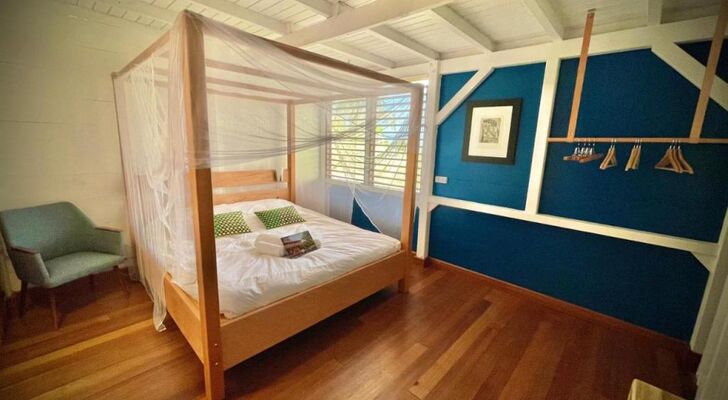
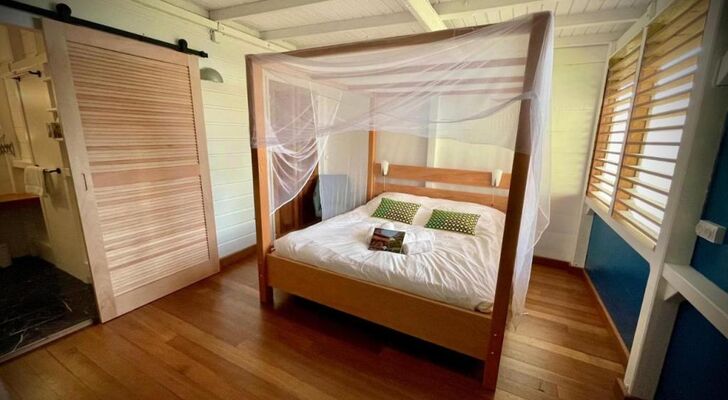
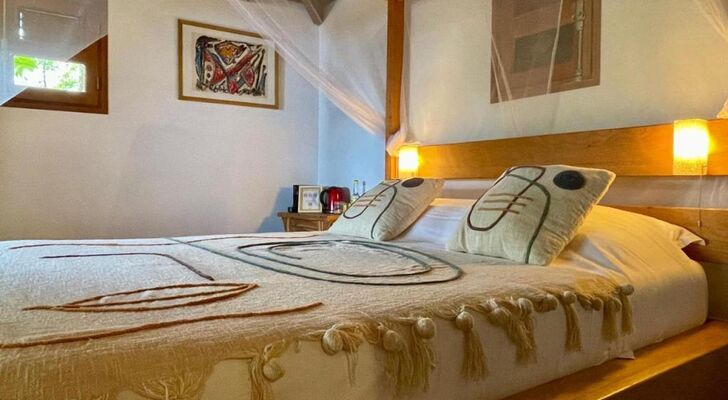
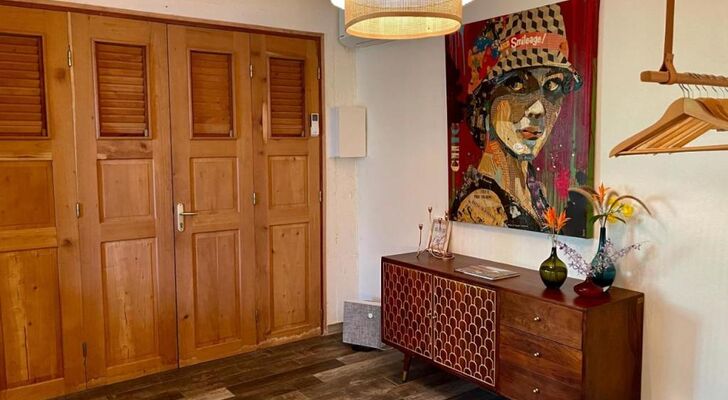
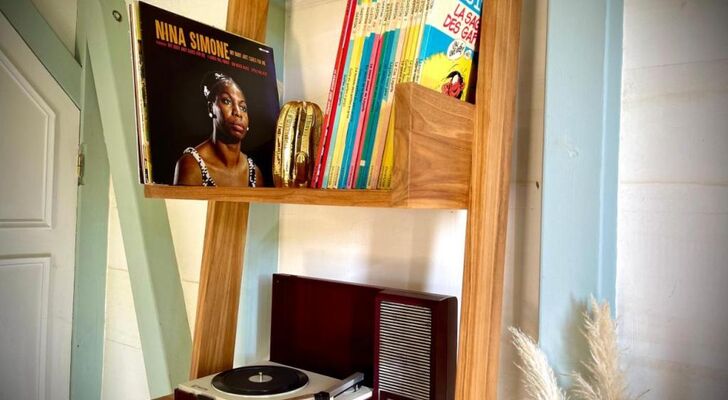
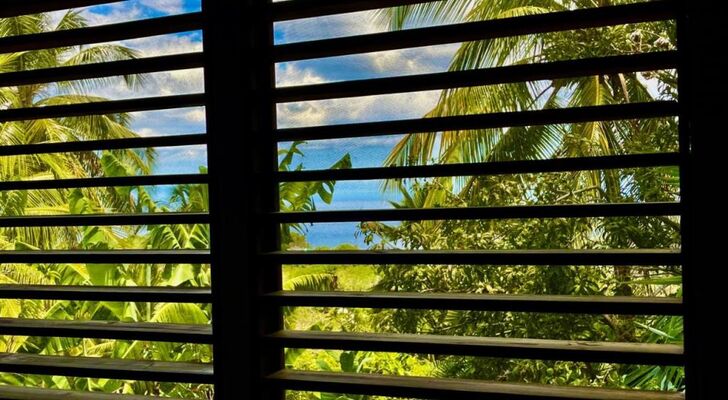
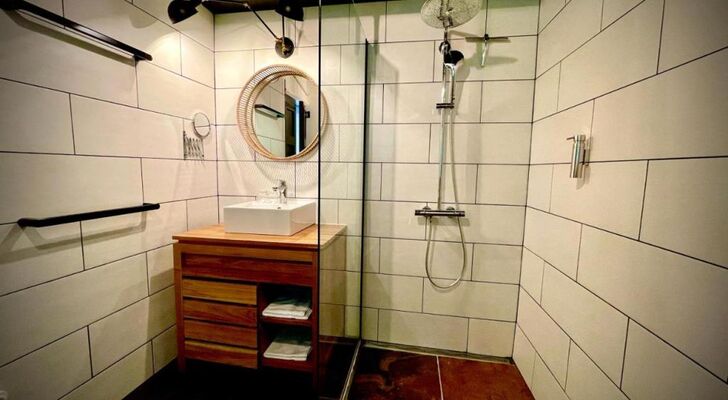 Pointe-Noire — Basse-Terre, Guadeloupe Show the map
4 rooms
Pointe-Noire — Basse-Terre, Guadeloupe Show the map
4 rooms 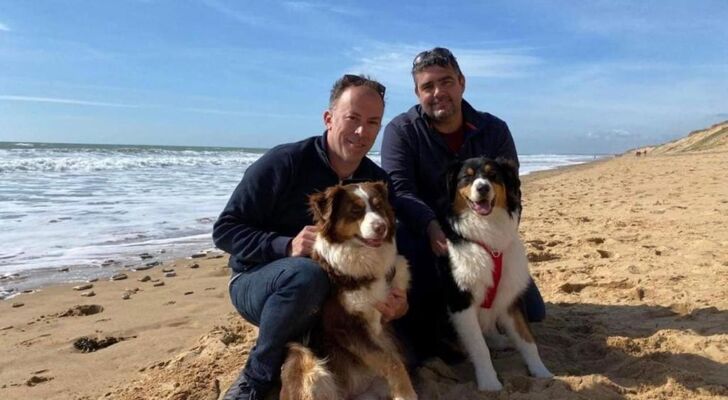
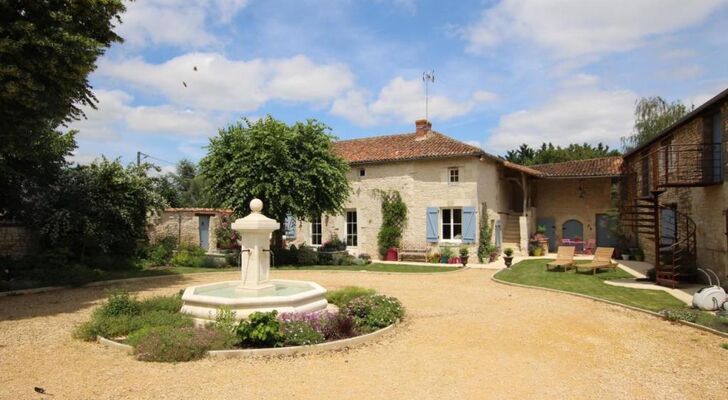
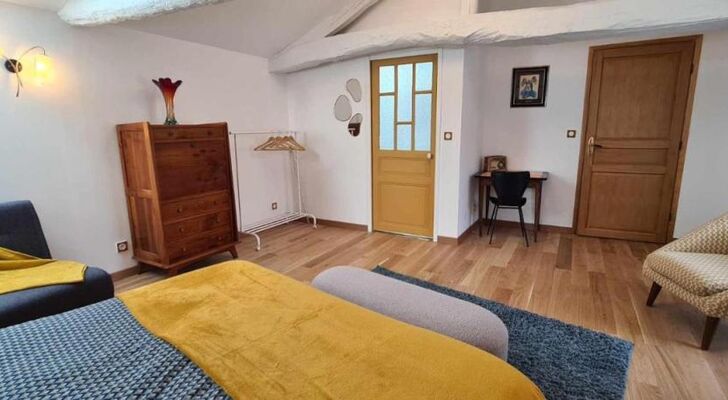
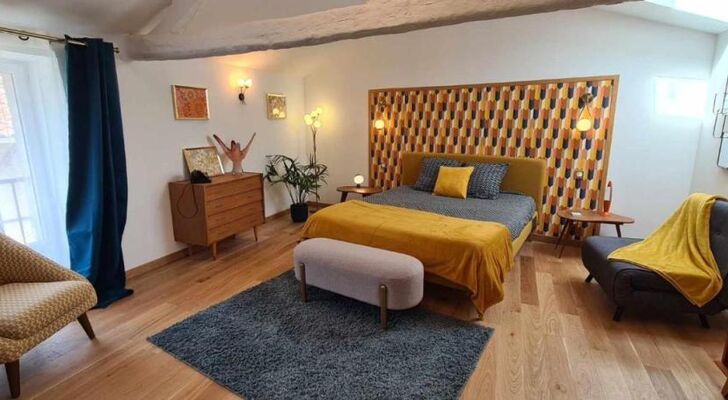
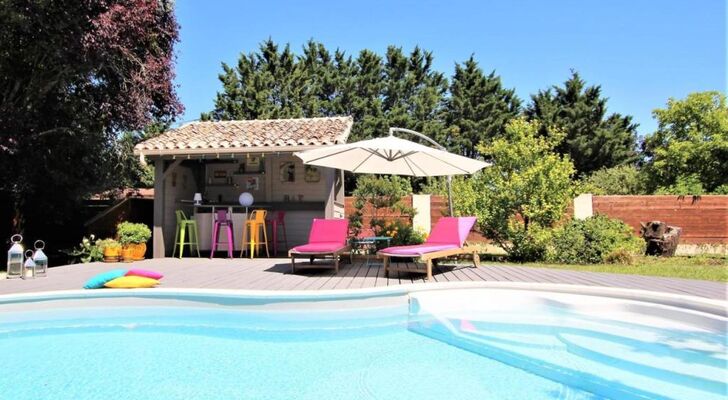
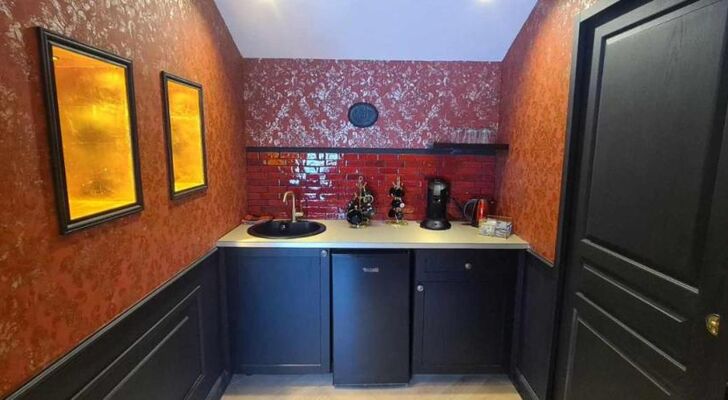
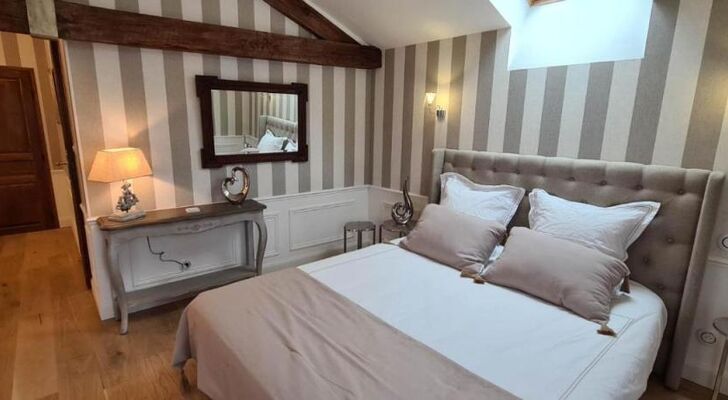
 Pouant — Vienne, France Show the map
3 rooms
Pouant — Vienne, France Show the map
3 rooms 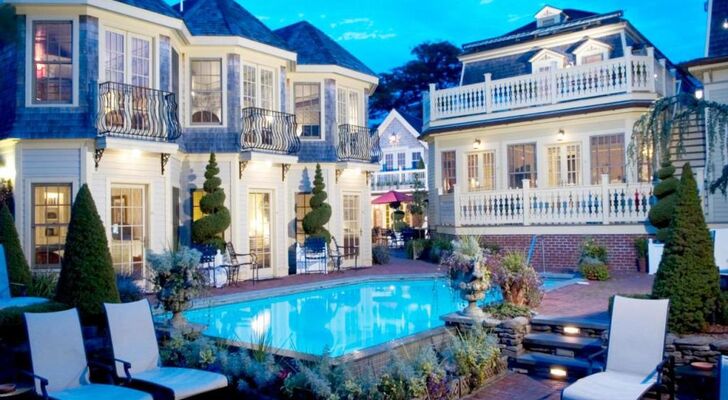
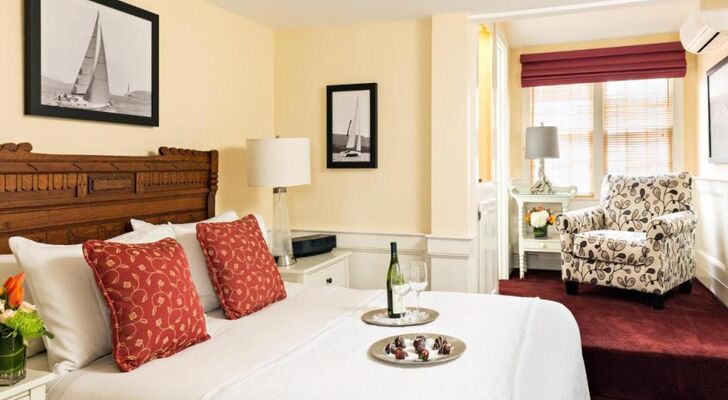
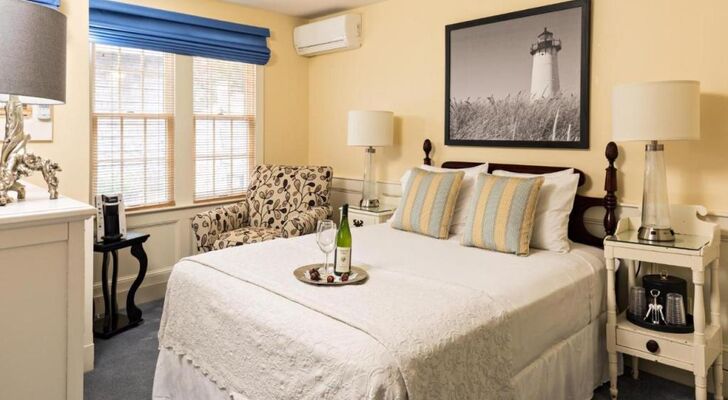
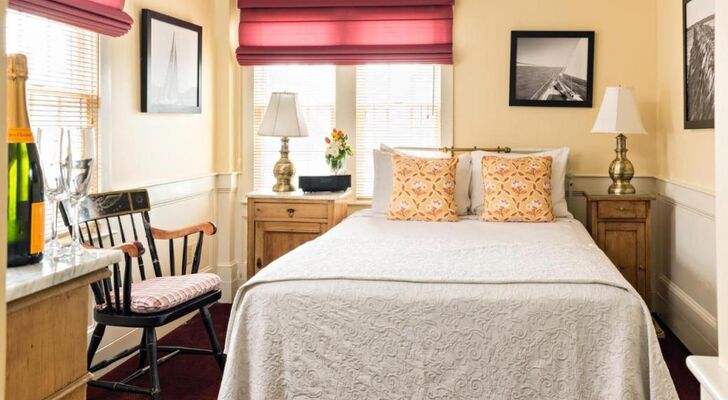
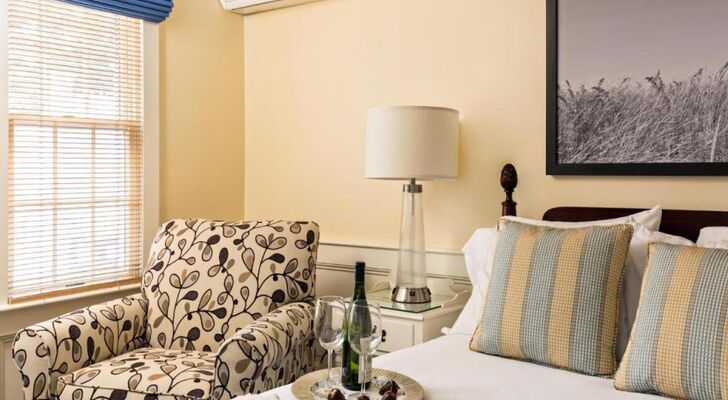
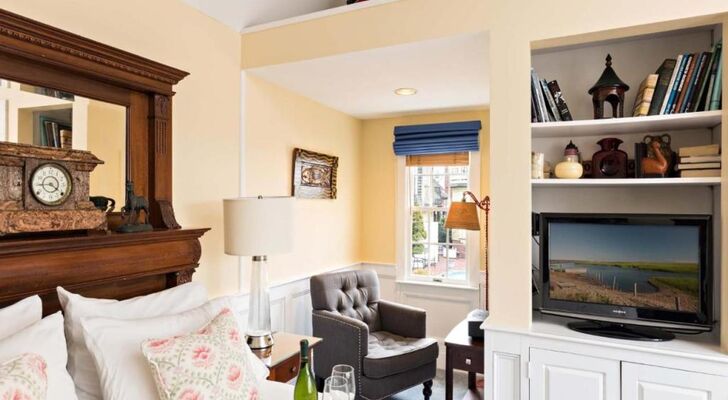
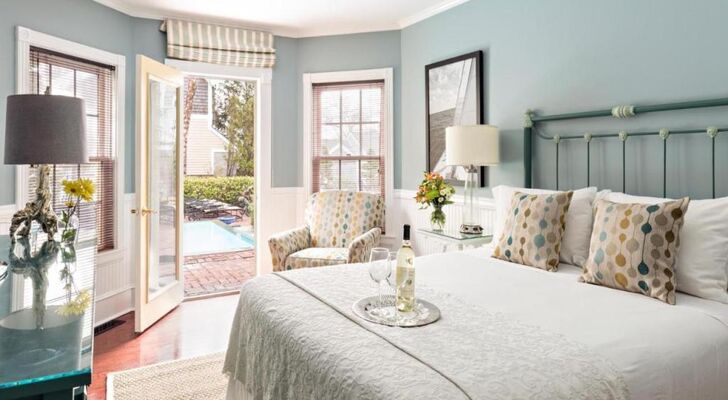
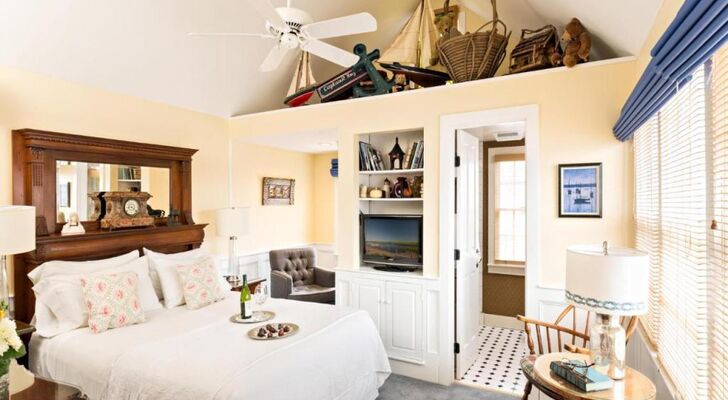 Provincetown — U.S.A. Show the map
37 rooms
Provincetown — U.S.A. Show the map
37 rooms 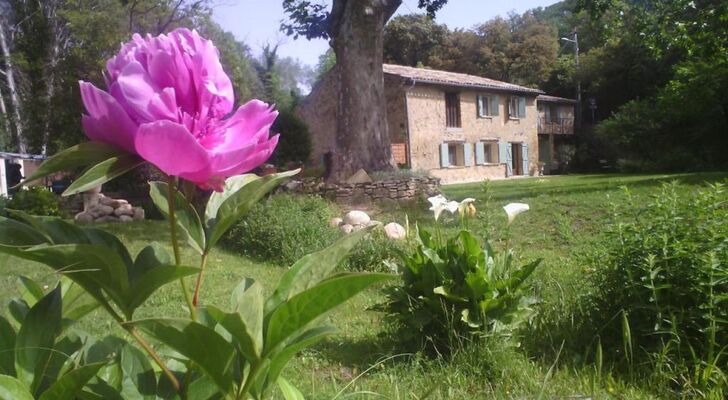
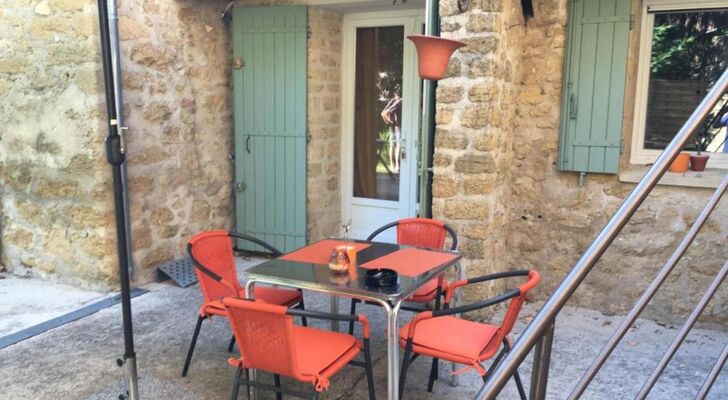
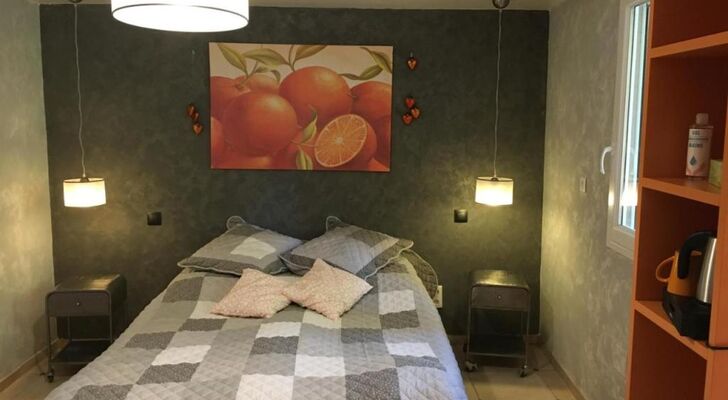
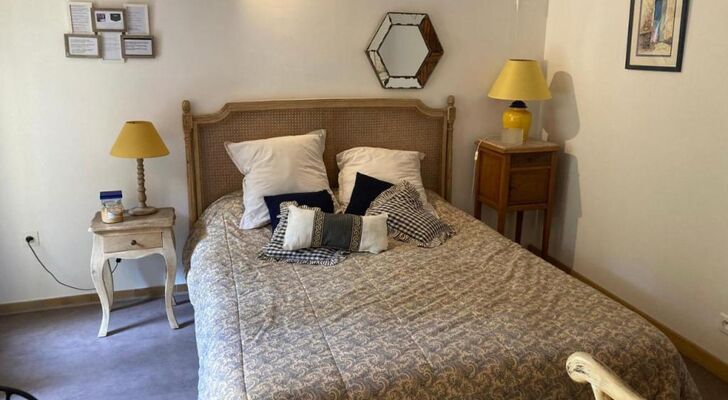
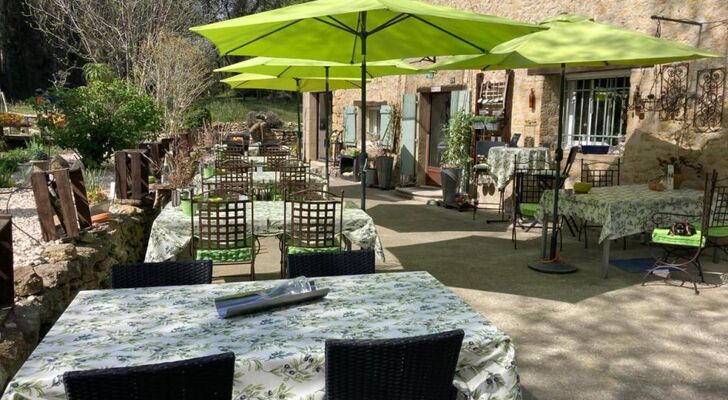
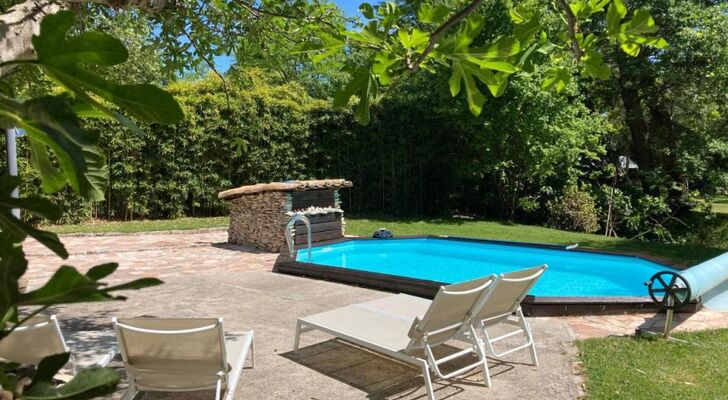
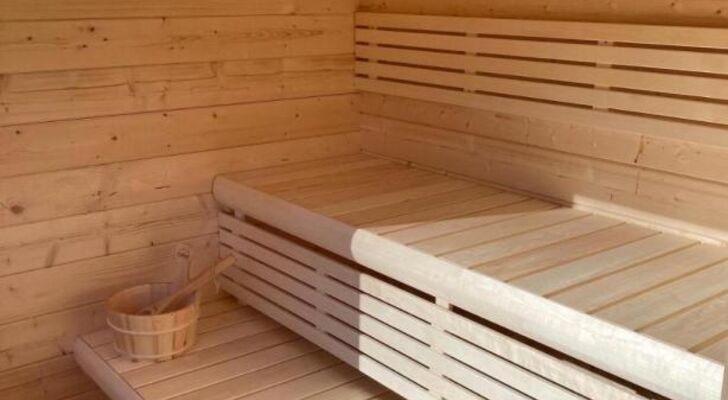 Puget — France Show the map
4 rooms
Puget — France Show the map
4 rooms 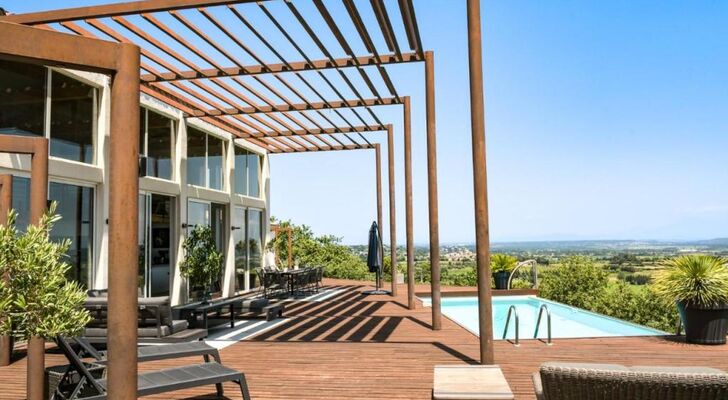
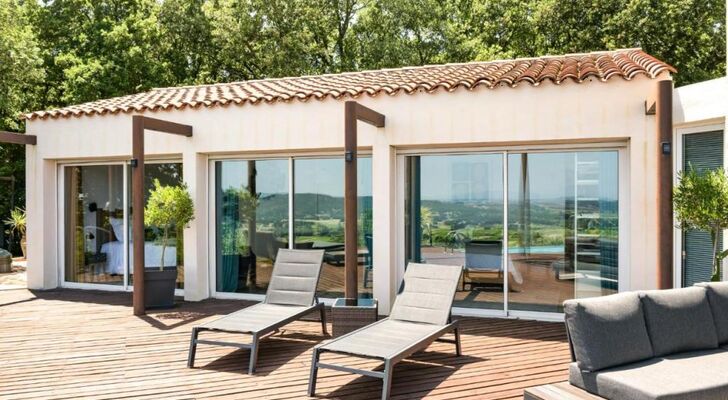
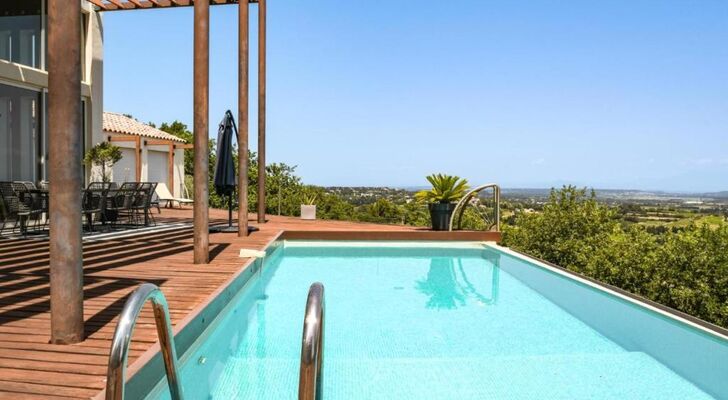
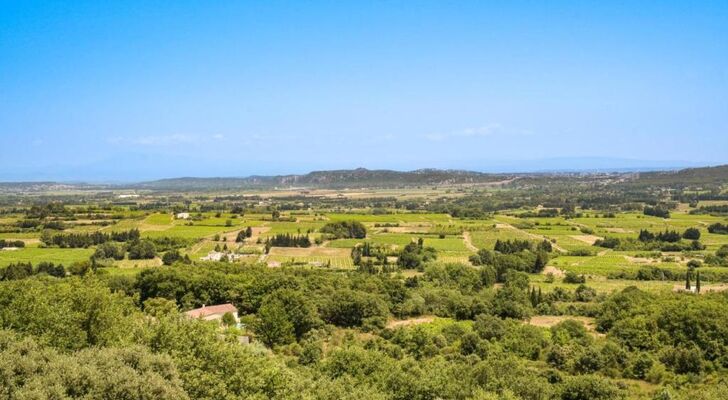
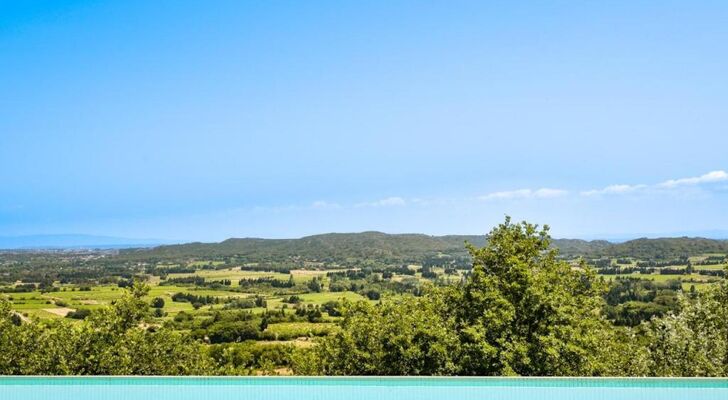
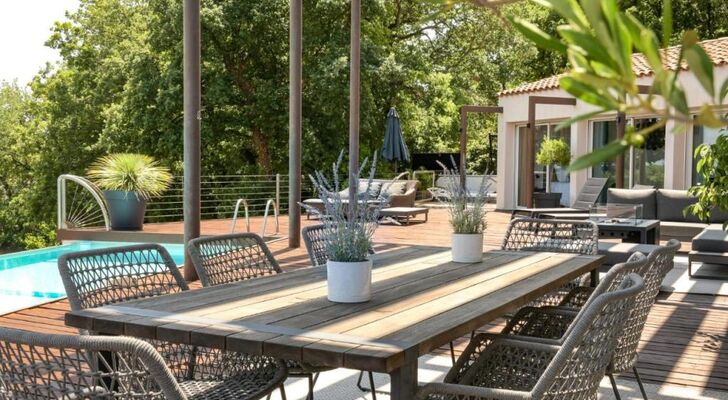
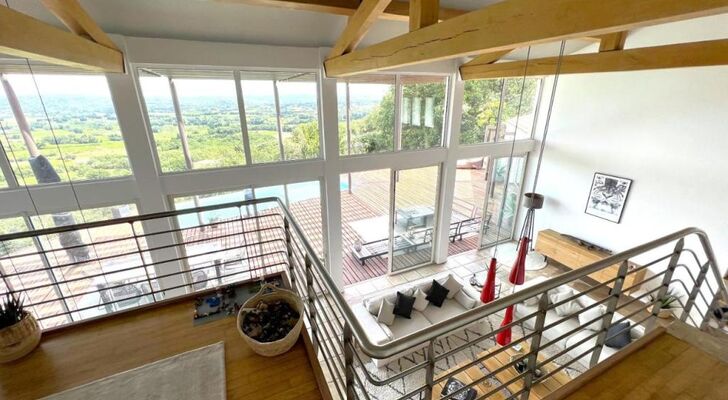
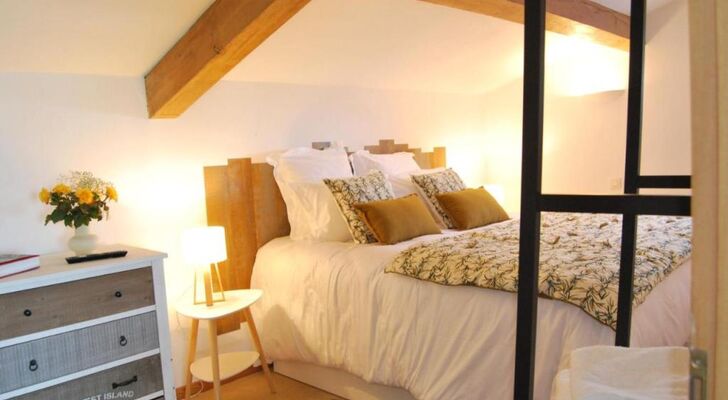 Rochefort-du-Gard — France Show the map
5 rooms
Rochefort-du-Gard — France Show the map
5 rooms 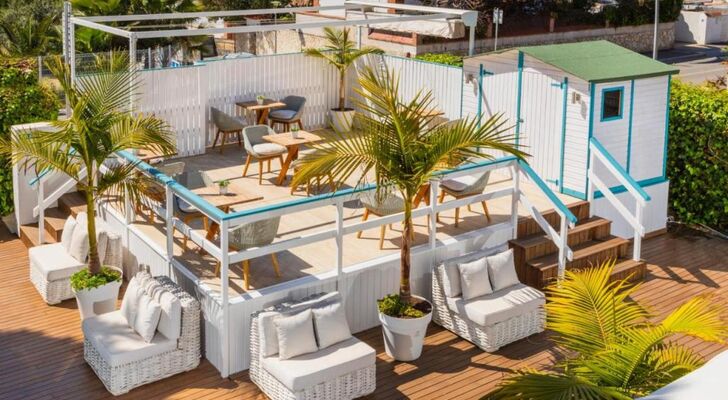
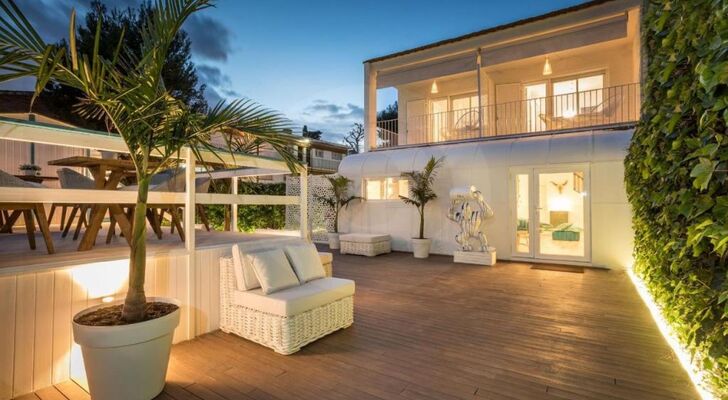
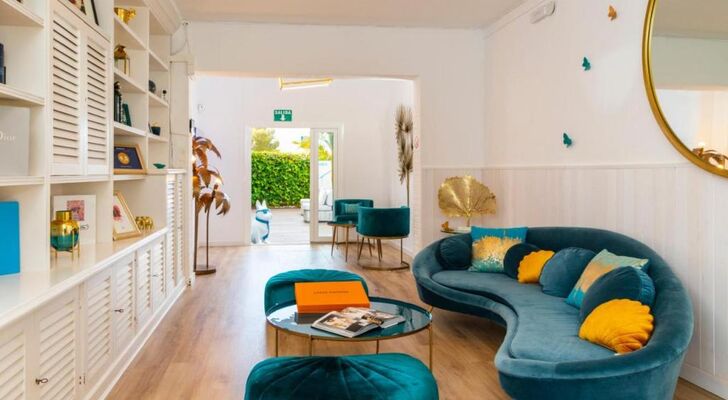
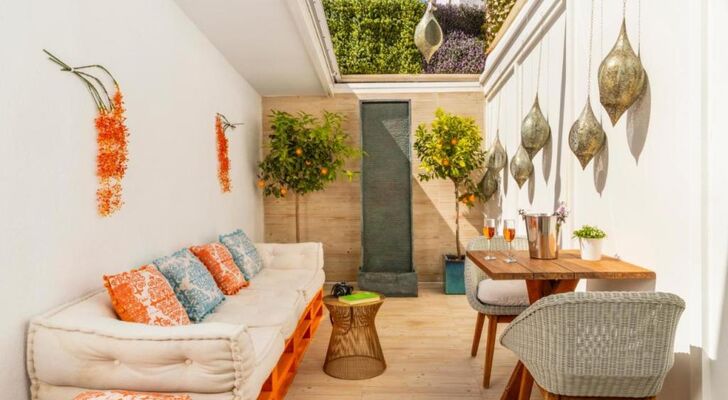
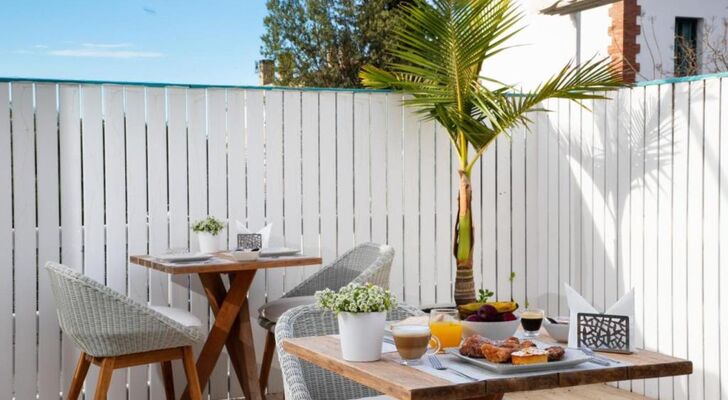
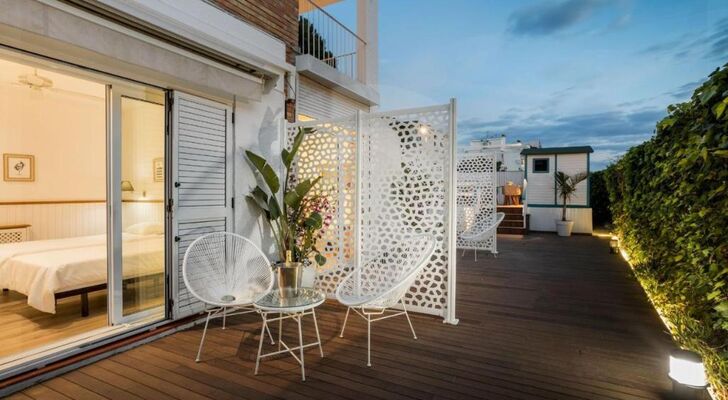
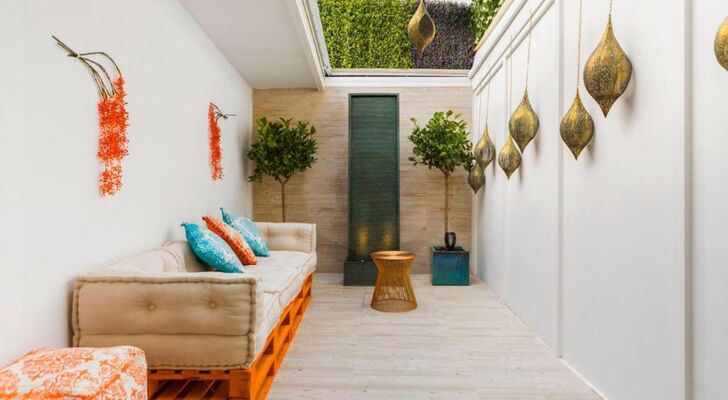
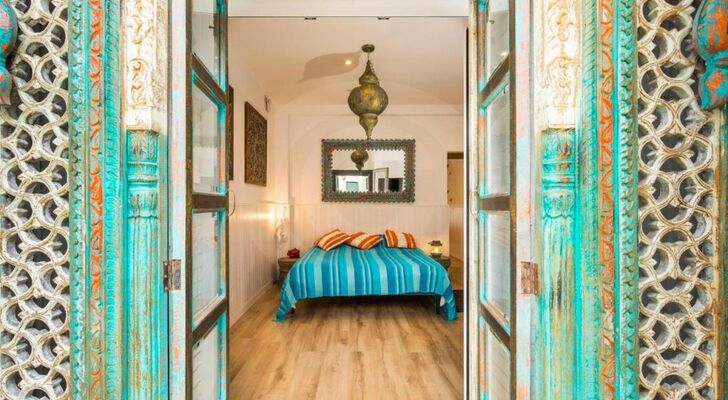 Sitges — Costa del Garraf, Spain Show the map
10 rooms
Sitges — Costa del Garraf, Spain Show the map
10 rooms 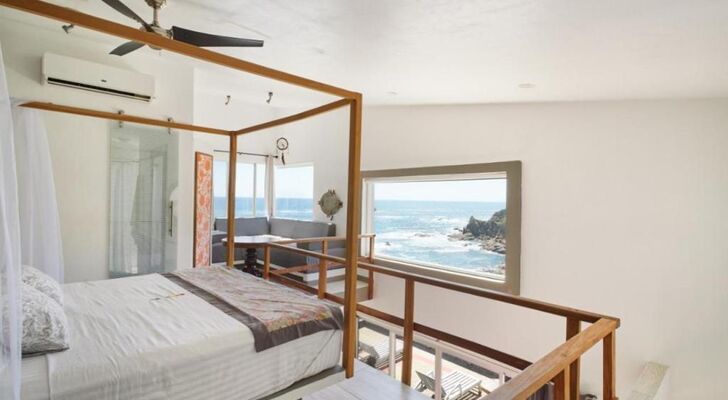
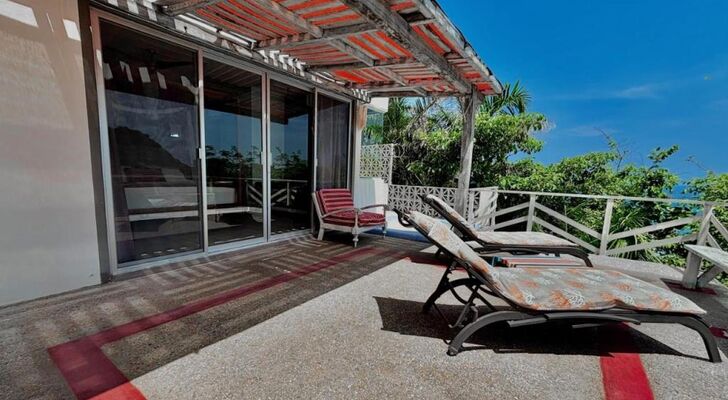
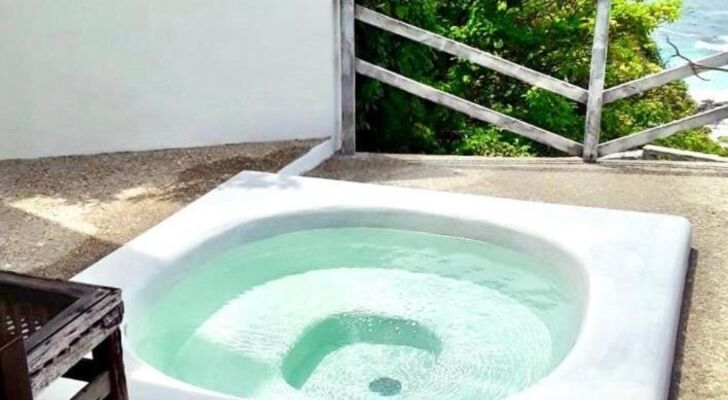
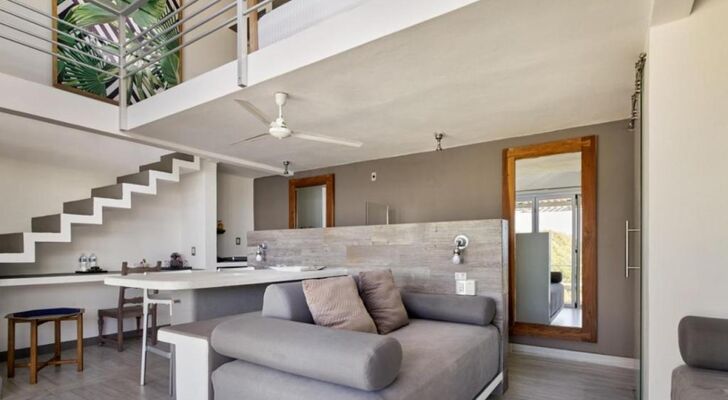
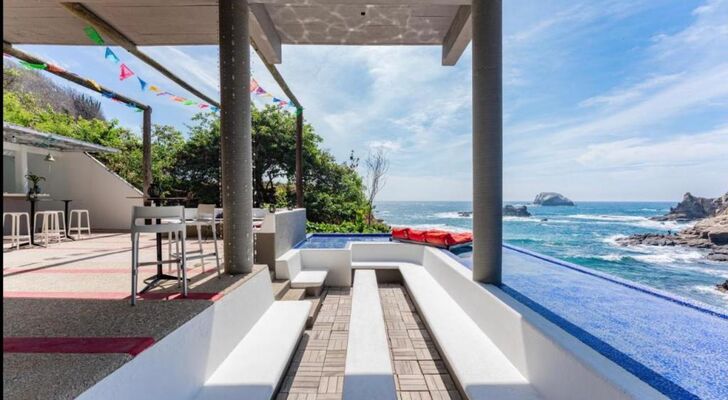

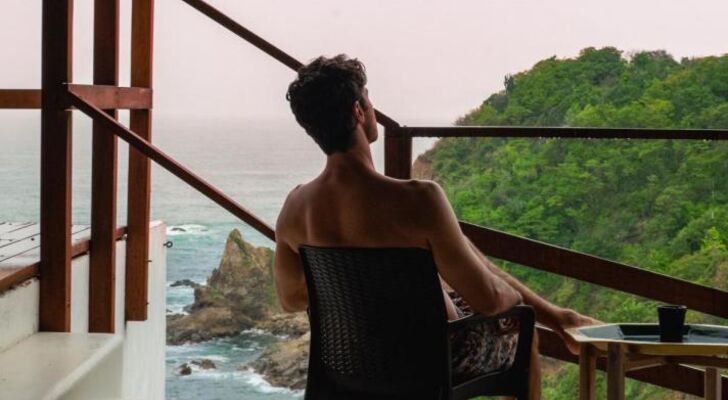
 Zipolite — Mexico Show the map
19 rooms
Zipolite — Mexico Show the map
19 rooms Guest houses occupy a singular place in LGBTQ+ travel. They are rarely defined by size or marble lobbies, but by the personality of their hosts and the atmosphere they cultivate. Many are run by gay couples or long-standing members of the local community, which translates into informed recommendations, honest conversations and a relaxed environment where travellers feel immediately at ease. The result is a stay that feels less like a transaction and more like an invitation.
This format also suits travellers who value privacy and authenticity over standardised service. With a handful of rooms rather than several hundred, attention to detail tends to be sharper: thoughtful breakfasts, carefully chosen linens, curated libraries, and a daily rhythm shaped around guests rather than imposed upon them.
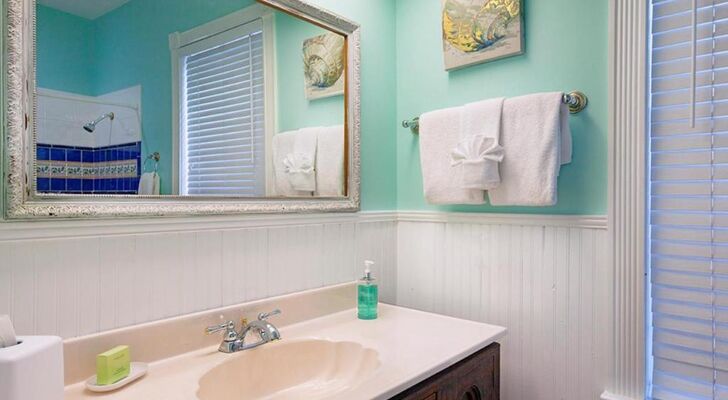
What distinguishes a fine guest house is the consistency of small gestures. A host who remembers a coffee preference, a garden tended with care, original artworks on the walls, a recommendation written by hand for a nearby restaurant. These details, accumulated across a stay, create a form of comfort that larger establishments rarely match.
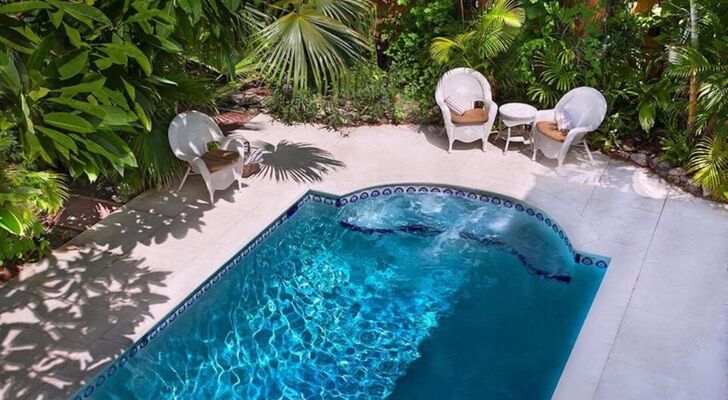
Architecture often plays a leading role. Many guest houses occupy historic townhouses, restored farms or seaside villas, where original features have been preserved alongside contemporary bathrooms and refined bedding. Common areas tend to feel residential rather than commercial: a salon with deep armchairs, a terrace shaded by mature trees, a pool surrounded by Mediterranean planting.
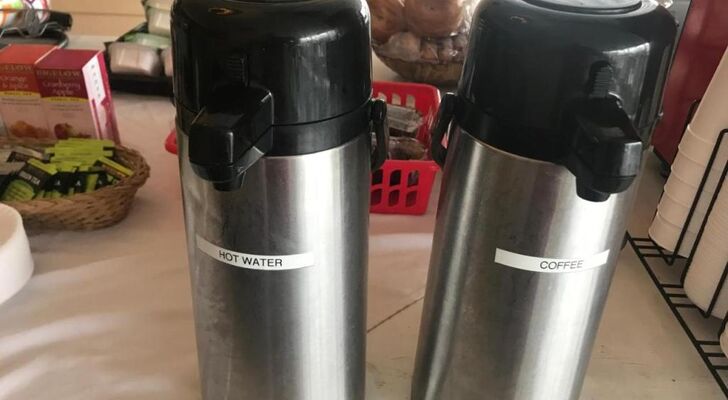
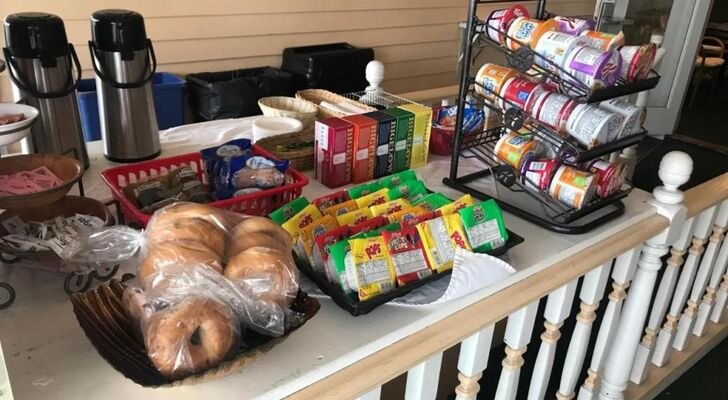
The shared breakfast remains a defining ritual. Local pastries, seasonal fruit, regional cheeses or freshly baked bread are served at a communal table or on individual terraces, depending on the property. It is often during this first hour of the day that travellers exchange tips, plan excursions together or simply enjoy unhurried conversation with their hosts.
Selecting a guest house is a question of tone as much as of location. Some properties cultivate a quiet, contemplative atmosphere ideal for couples seeking a romantic escape. Others encourage a more sociable spirit, with apéritif gatherings, themed evenings or pool days where guests connect easily. Reading the description carefully and looking at the layout of common spaces gives a reliable sense of which experience awaits.
Seasonality also matters. Coastal guest houses come fully alive in late spring and summer, when gardens are in bloom and dinners move outdoors. Countryside retreats often shine in autumn, with vineyard landscapes and crisp mornings, while urban guest houses provide a refined base year-round, particularly during Pride seasons and cultural festivals.
Beyond the practical advantages, choosing a gay guest house reflects a certain way of travelling: slower, more attentive, more open to encounters. It supports independent hosts who have invested time and craft into shaping a place that mirrors their values, and it offers guests a stay that lingers in memory long after the journey ends.